Plenković Clashes with Zagreb Over Waste
While the Prime Minister's Party in Zagreb Criticizes Underground Bins, the European Commission Warns Croatia is Lagging on Recycling Targets and Faces a Lawsuit Before the EU Court.
While the Prime Minister's Party in Zagreb Criticizes Underground Bins, the European Commission Warns Croatia is Lagging on Recycling Targets and Faces a Lawsuit Before the EU Court.
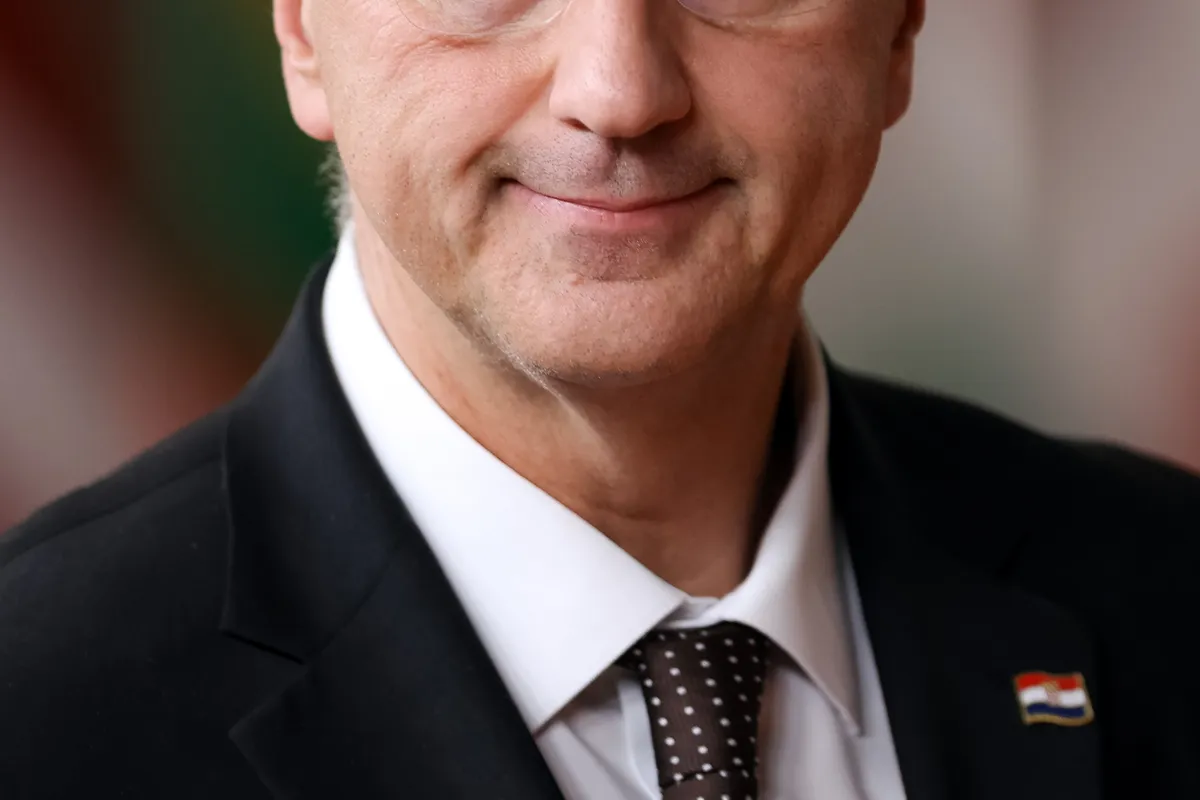
Zagreb's political scene is heated over the installation of underground waste separation bins at the start of Ilica Street, near Ban Jelačić Square. While the city government led by the Možemo party defends the project, the HDZ fiercely criticizes it. However, as local political battles rage, Andrej Plenković's government faces a serious warning from Brussels over years of delays in meeting recycling targets.
Mayor Tomislav Tomašević and his administration firmly defend the decision to install underground bins, pointing to the poor waste management of the previous city government in which the HDZ participated. On the other hand, the HDZ has called the move a "crude and unacceptable urban intervention" and "political devastation" of the central square, drawing parallels with the communist removal of the monument to Ban Josip Jelačić.
Just a week before the escalation of political tensions in the capital, the European Commission sent a new warning to Croatia in mid-July 2026. The Commission first admonished member states in July 2024, but the targets were still not met two years later. "The Commission has decided to issue reasoned opinions to these states, which have two months to respond and take the necessary measures. Otherwise, the Commission may refer cases against them to the Court of Justice of the European Union," Brussels announced.
Croatia finds itself in a group of 12 countries that failed to achieve the target of 50% preparation for reuse and recycling of municipal waste, which was supposed to be reached by 2020. Alongside Croatia, Germany, Spain, Portugal, Poland, the Czech Republic, Hungary, Romania, Bulgaria, Greece, Cyprus, and Malta were also called out. The Commission specifically notes that "Croatia has not met the targets for total packaging, glass, and metals," placing it among seven members that failed to meet several recycling targets between 2020 and 2023.
The Ministry of Environmental Protection and Green Transition, led by Minister Marija Vučković, claims that Croatia has "achieved significant progress," but admits that the 50% target "was not reached within the prescribed deadline." "The reasons for this are primarily related to the fact that, at the time of joining the European Union, Croatia had significantly less developed infrastructure for separate waste collection and processing compared to most other member states," the Ministry explains.
As evidence of progress, they cite "significant investments in recycling yards, sorting facilities, bio-waste treatment plants, vehicles for separate waste collection, and waste management centers." The Ministry has already submitted information to the European Commission on the measures taken and progress achieved, and continues to implement activities aimed at increasing recycling and reducing landfilling. According to their data, the target for glass packaging has been met, and they see significant improvements in total packaging and metals. "Additional measures are also being implemented to strengthen the extended producer responsibility system, improve the deposit return system, and increase separate collection of packaging waste," they state.
A lawsuit before the Court of Justice of the European Union would be the most expensive scenario for the state, as already demonstrated by the illegal waste landfill in Biljane Donje, which costs Croatia €6,500 per day in fines. Meanwhile, Prime Minister Plenković commented on Saturday on the waste problem in Gospić and Lika, emphasizing that all those responsible must be held accountable and that the Ministry of Environmental Protection and the Environmental Protection Fund have the task of remediating waste "through a lawful and transparent procedure."
While political conflicts and threats from Brussels continue, Prime Minister Plenković attended the 311th Sinjska Alka on Saturday, where he congratulated the organizers on "a tradition of more than 300 years in the Cetina region." The same day, via Twitter, he announced a change in the methodology for fuel prices: "After receiving updated data this morning, we decided to change the methodology, and the government will now react on a weekly basis instead of biweekly." He announced that prices would be lower: Eurosuper by 6 euro cents per liter, Eurodiesel by 4, blue diesel by 3, and gas in tanks and bottles by 8 euro cents.