The Last Shepherd Beneath Dinara: 'I Love Her, but I Can't Do It Alone'
Petar Validžić is one of the few still practicing transhumance, a UNESCO heritage, but administrative hurdles and a shortage of labor threaten the survival of this way of life.
Petar Validžić is one of the few still practicing transhumance, a UNESCO heritage, but administrative hurdles and a shortage of labor threaten the survival of this way of life.
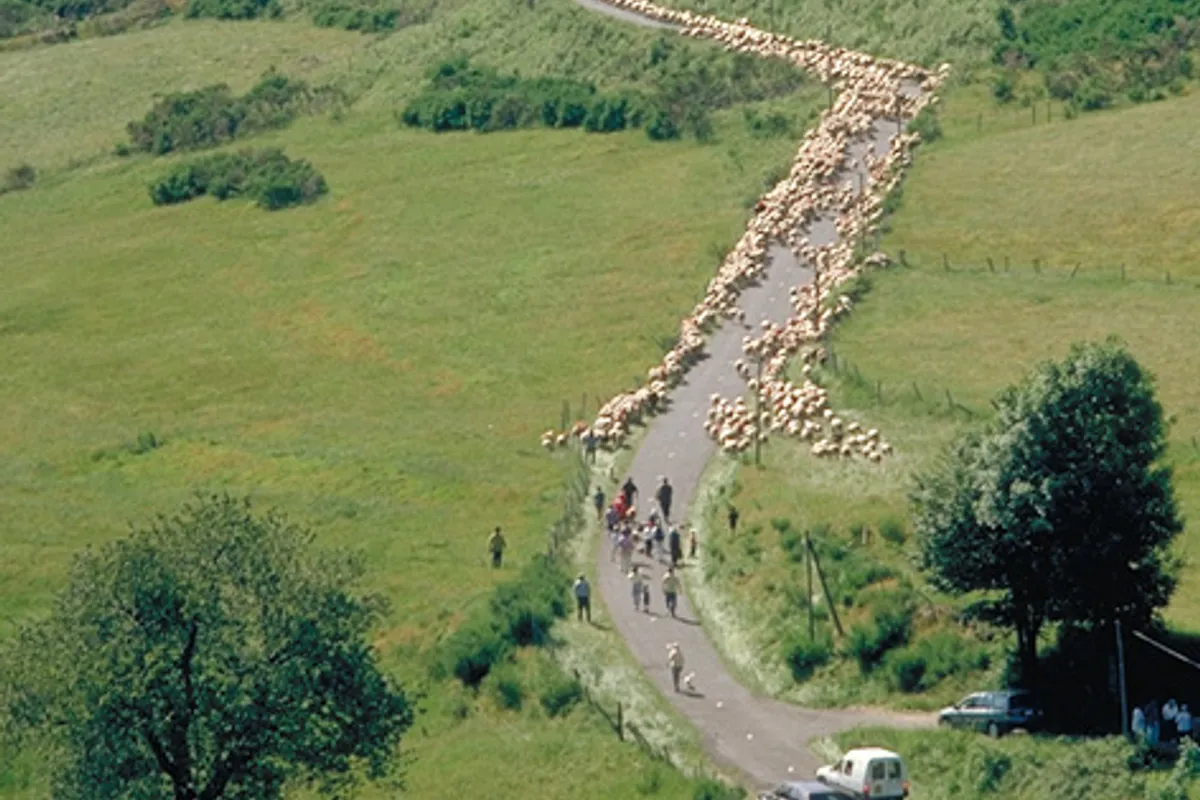
In the small village of Validžići, with only five permanent residents and no running water, lives Petar Validžić, one of the last shepherds on this part of Dinara. His flock of about sixty goats and a few sheep grazes daily beneath the rocky ridge of the mountain, surrounded by guardian dogs and loyal companions. Yet, behind this idyllic picture lies a struggle against time, bureaucracy, and the relentless fading of tradition.
When H-Alter contributor Dora Levačić arrives for a visit, she is first greeted by Doris, a female Kangal, a massive and formidable guardian who freezes in the middle of the road, sizing up the newcomer. "You can tell you use your head," Petar says with a smile. Alongside Doris are Max, a larger Kangal; Blue, a Border Collie with one blue eye; and the hunting mix breeds Garica, Žuta, and Liska. Each has a role in protecting the flock.
The presence of wolves was once more frequent. "Last autumn, a wolf came close; the hunting dog ran off and went silent, and when he returned, the big Kangal took off toward the Cetina River. After that, they all followed me, and that's how I knew the wolf was near," Petar recounts. Now the dogs work in "arrows"-the hunting dogs first scent the threat, and the Kangals drive it away. Blue, though always on the move, can annoy his master with wrong moves, especially when he dashes after the most mischievous goat. "Well, what would I do without my fool?" Petar says calmly.
Until a few years ago, Petar kept over 130 sheep and took them to the mountain every summer, living there from July to October. This semi-nomadic pastoralism, transhumance, is inscribed on UNESCO's list of intangible cultural heritage. Once, hundreds of thousands of sheep covered the Dinara pastures in summer, with shepherds staying until the first snows. Today, all the livestock breeders in Croatia who spend the summer with their flocks in the mountains could barely fill a single school classroom.
Petar doesn't hide how much he misses going to Dinara: "Yes, a lot! I love it; it's hard for me to give up Dinara, but you simply can't do it alone. My father went up until the very end; he went straight from Dinara to the hospital in Šibenik and died. I won't live like a dog; I can't eat one loaf of bread for ten days." The problem is delivering food to the shepherd's hut, which is only accessible on foot, and his nephews who used to help now have other commitments.
Beyond physical isolation, modern shepherds face a market flooded with cheap imported cheese and meat, and administrative demands that eat up precious time. "One person, for their own interest, makes a show out of it for the whole country. If it weren't for that import and that bureaucracy, I'd have more will. Everyone I talk to is losing the will. I know every one of my goats like I know my own breath, and if that gets destroyed, am I supposed to go to Austria to get her back? You don't know her; you didn't raise her," Petar explains, as his goats browse on wild plum bushes.
The vet is good, but he covers an area from Kistanje to the Cetina River and can't get everywhere. Petar has several times saved animals with antibiotics when it seemed there was no hope. "You have to live it, and you have to love that animal. If you keep it just for profit, it's nothing," he emphasizes.
Although he traveled Europe in his youth, worked in Germany and Switzerland, and briefly in a factory in Maribor in '86, Petar always returned to the foot of Dinara. "Back then, I punched that time card and never again in my life; for me, that was a cage. When I came back, I found myself, truly my own master. I love freedom, like a falcon. I have my peace and I don't watch the clock. I drink my coffee for an hour in the morning, and I want peace and quiet; that's how my day starts."
His love for Dinara he cannot put into words: "How much I love Dinara, I can't describe to anyone. I mean, in my younger days, I traveled Europe far and wide, did all sorts of things, and still I came back to where it all began, where it was hard for me as a child. But it's stronger than a man."
While Petar no longer takes his flock up the mountain, his horses still follow ancestral instincts. In early July, they went to Dinara on their own and returned a few days after New Year when a storm was forecast. "This year, the mares came back on their own; there was a storm warning a few days after New Year, and they came, they sensed it," Petar says. The two mares that went up are due to foal any day now, so he'll go check on them tomorrow at five in the morning.
After returning to Validžići following the Storm, Petar built his animal kingdom. But memories of the village's occupation in the '90s and the sight of a stripped fig tree that looked like a palm tree remain vivid. "It's hard; two generations build everything from scratch, all over again," concludes the last shepherd beneath Dinara's ridge.