Magnitude 7.1 Earthquake Shakes Operating Room
Despite destruction and 38 deaths, Japan minimized casualties thanks to strict building codes and public preparedness.
Despite destruction and 38 deaths, Japan minimized casualties thanks to strict building codes and public preparedness.
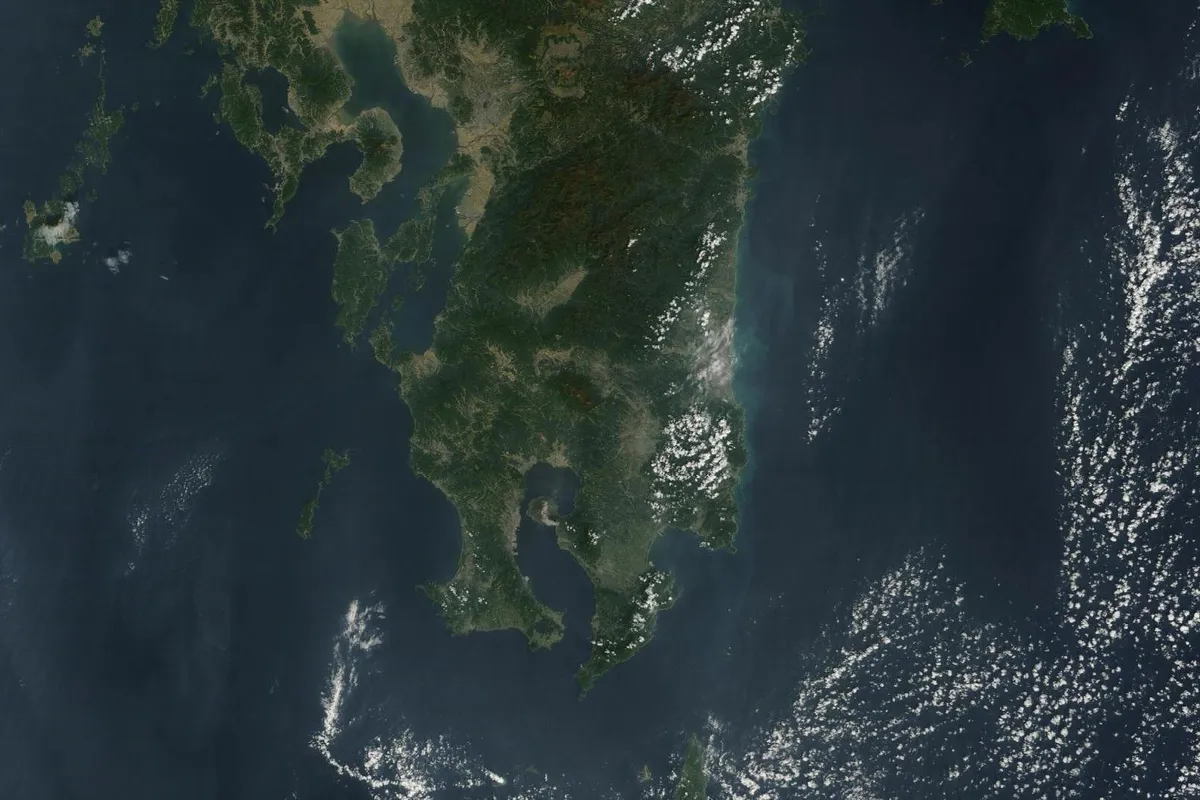
Last week, a devastating magnitude 7.1 earthquake struck southwestern Japan, and dramatic footage attesting to its power continues to emerge. One of the most striking clips comes from security cameras at a hospital in the city of Kumamoto on Kyushu Island, where the ground shaking caught doctors mid-surgery.
The video, posted on Twitter on August 6, 2026, by user Clash Report, was recorded on July 28, 2026. It shows the operating room beginning to sway violently, with objects flying in all directions. Two doctors instinctively move toward the operating table to shield the patient, while lights flicker and other medical staff struggle to keep their balance. One team member falls to the floor while trying to secure moving equipment.
Despite the chaos, the surgery was resumed after the quake and successfully completed. According to The Telegraph, the hospital returned to full normal operations as early as August 5, 2026.
The aftermath of the earthquake was immense. Reports indicate 38 people lost their lives and over 120 were injured. Authorities in Kumamoto Prefecture reported that the quake triggered an explosion at a shopping center and toppled a factory chimney. Buildings collapsed, and roads across the region suffered severe damage.
At least 79,000 people were left without water, and 3,500 were without electricity for days as temperatures reached 35 degrees Celsius. Around 9,000 evacuees sought shelter in refuge centers. The tremors were felt as far away as South Korea.
One of the hardest-hit areas was the town of Hikawa, where local officials reported that more than 800 of the 4,500 homes were destroyed or damaged. Many residents forced to leave their homes had to sleep in cars in parking lots across the town.
The New York Times, in its analysis from August 7, 2026, highlights how Japan managed to minimize the death toll in such a powerful earthquake. Following deadly tremors a decade ago, Kumamoto invested heavily in constructing earthquake-resistant buildings. Beyond infrastructure, the exceptional preparedness of the local population, which underwent search-and-rescue training, played a crucial role.
The combination of robust construction standards and an educated community proved pivotal in preventing an even greater tragedy, turning a potential catastrophe into an example of resilience that the world can follow.