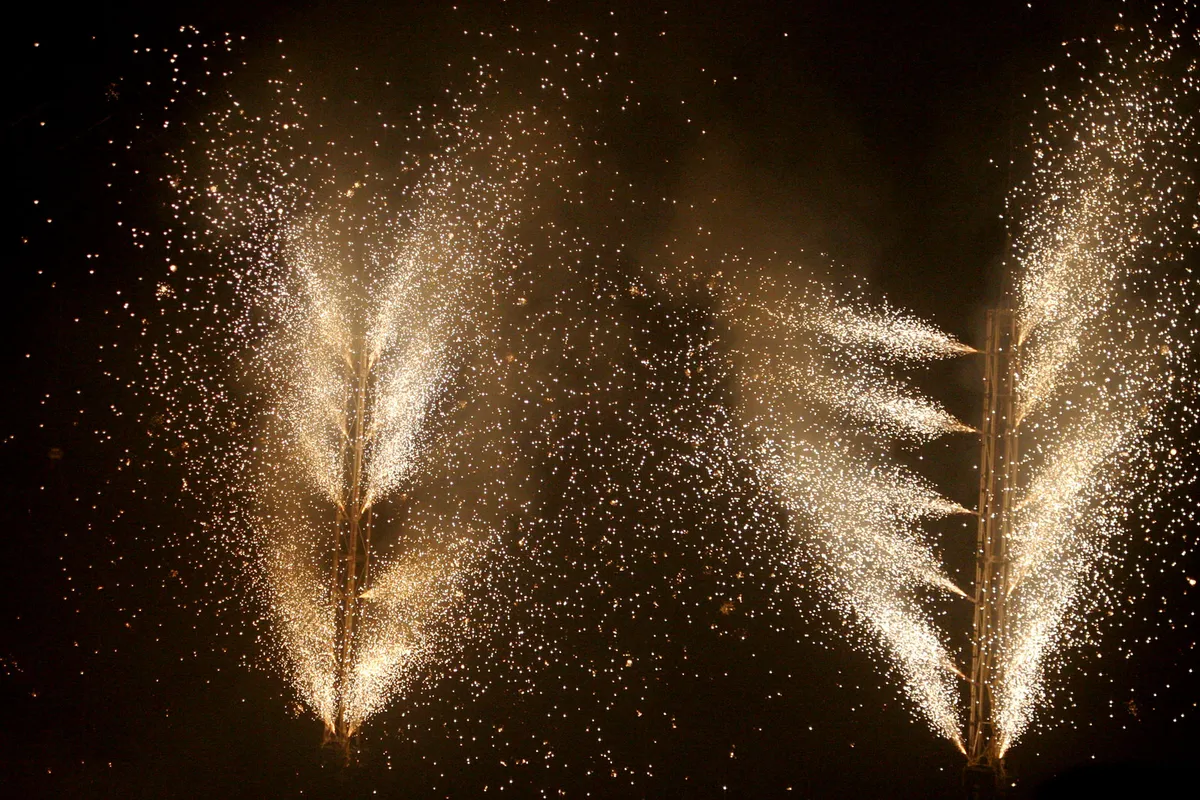
The Animal Friends association has welcomed the move by the Istrian County Firefighting Association, which, due to extreme heat, prolonged drought, and exceptionally high fire risk, has suspended its units' participation in the approval process for fireworks. While they deem this decision responsible and necessary, the association points out that it reveals a systemic flaw: the protection of citizens, animals, and property should not rest on individual assessments by local firefighting associations.
"We welcome the decision of the Istrian firefighters, who know best how a single irresponsible act can lead to catastrophic consequences. We believe that a legal amendment is needed to specifically limit the use of fireworks and other pyrotechnics across Croatia. We should not wait for fires to protect citizens, animals, and the environment," the association stated.
More than 500 fireworks displays annually
According to statistics from the Ministry of the Interior, 594 public fireworks displays were held in Croatia in 2024. On average, that's more than one per day, with a particular concentration during the tourist season—117 in July and 113 in August alone. Animal Friends also warns that the term "public fireworks" often creates a false perception, as in reality, a large portion of these are organized for private celebrations such as weddings, tourist events, and guest receptions.
"Over 500 fireworks displays a year is an absurdly high number. It is especially unacceptable that in tourist areas, residents and animals have to endure fireworks throughout the summer. Such events are not in the public interest but to the detriment of the community," the association emphasizes. They add that during the summer, they regularly receive complaints from residents of tourist areas about fireworks, which in some places occur almost every week, causing distress, fear in animals, and environmental pollution.
Proposal: maximum three fireworks displays per community per year
As a concrete measure, the association proposes amending the law to limit the number of fireworks displays in each local community to a maximum of three per year. In their view, this would put an end to their excessive and unnecessary use. They also remind that their initiatives for stricter regulation of pyrotechnics have the support of the Croatian Firefighting Association, confirming that this is not just about animal welfare and noise protection, but also a serious issue of human safety, property, and environmental protection.
Other demands from the association include a complete ban on noisy pyrotechnics with a power equal to or greater than the already banned firecrackers and bangers, the abolition of advertising and sale of pyrotechnic devices in grocery stores, and permission for the use of only light-emitting pyrotechnics, and only during two hours on New Year's Eve. They also call for the abolition of the so-called pyrotechnics days, i.e., the period from December 27 to January 1 when its use is currently allowed, despite the fact that, as they state, the real reason for celebration exists only on New Year's Eve.
In conclusion, Animal Friends state that the move from Istria should be seen as a clear signal that existing regulations are insufficient, and they call on the relevant institutions to further tighten them to ensure the protection of citizens, animals, and nature across the entire country.