Get Your Wallets Ready, Another Price Shock Is Coming!
Analysts at Oxford Economics warn that global food prices could jump 11.8 percent this year, with wheat, bread, and pasta bearing the brunt of the increase.
Analysts at Oxford Economics warn that global food prices could jump 11.8 percent this year, with wheat, bread, and pasta bearing the brunt of the increase.
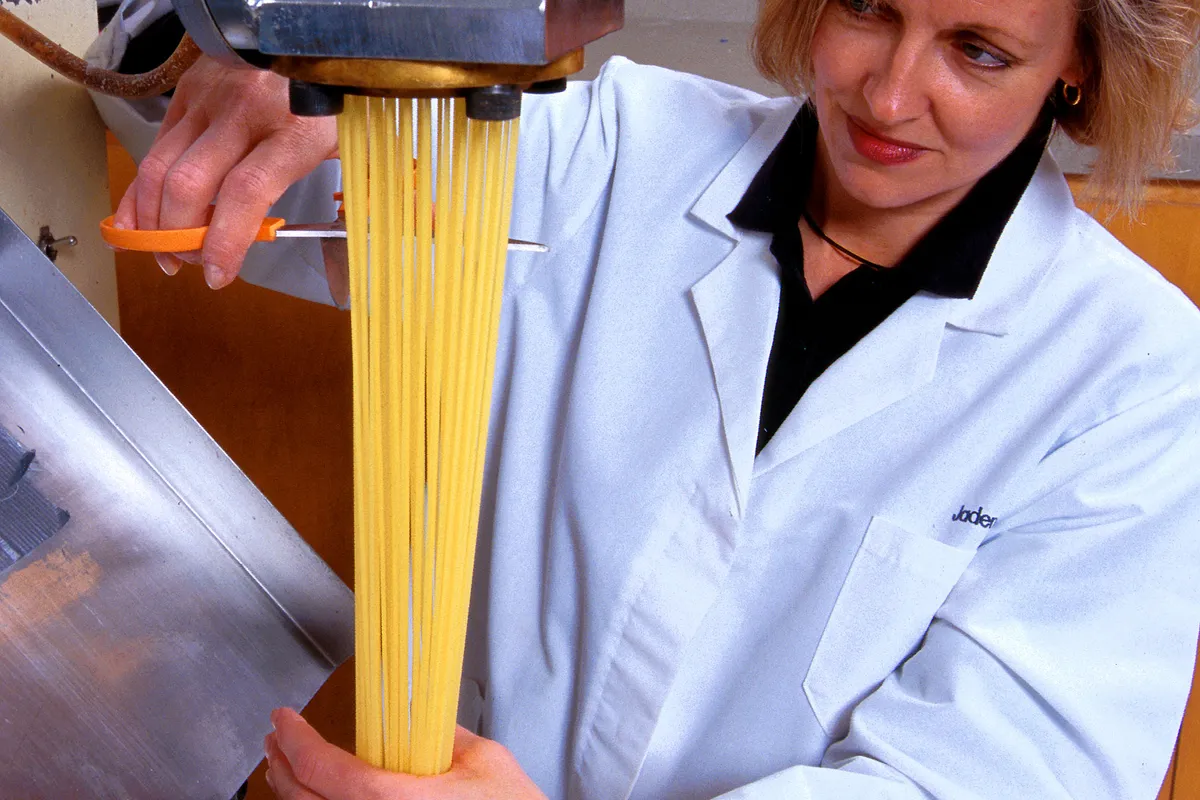
Analytical firm Oxford Economics has calculated that global food prices could rise by 11.8 percent by the end of this year, and by an additional 4.8 percent next year. The most significant impact is expected in the wheat market, which will directly affect the prices of bread and pasta, according to an analysis reported by Euronews.
Europe has suffered a heatwave that damaged crops, and the European grain and oilseed trade association Cocereal had already issued an emergency crop assessment in July. The expected grain harvest in the EU and the UK has been cut by nearly ten million tons. Germany, affected by prolonged drought and heat, also expects a weaker harvest, as warned by the German Farmers' Association.
In addition to adverse weather, farmers are also facing disruptions in the supply of oil and other raw materials following the blockade of the Strait of Hormuz, linked to the war with Iran. Senior economist Tomáš Dvorak cites as the main cause of the price increase
"the war between the US and Iran and its impact on inputs for food production, mainly oil, natural gas, and fertilizers".
Concrete indicators are already visible: the price of diesel on the global market was 36 percent higher in July than a year earlier, partly due to the problems in the Strait of Hormuz. Forecasts for fertilizers are also not encouraging, with an expected increase of 22 percent this year.
Additional pressure comes from the war in Ukraine. Grains account for 25 percent of the global food price index, and Russia and Ukraine
"together account for about 30 percent of the total global wheat export index and over 10 percent of corn", Dvorak explained.
Attacks on Russian and Ukrainian ports, loading terminals, and ships, along with disruptions to grain exports from the Black and Azov Seas, could threaten 86 million tons of annual export capacity. This amounts to nearly 17 percent of total global grain exports, according to the report.
The index tracked by Oxford Economics refers to commodity prices, so its rise does not automatically mean an identical increase in supermarket prices. The planned increase for 2026 is still less than the 14.2 percent jump recorded in 2022.
Crops and dairy products will suffer the most, as they are most exposed to drought and high temperatures.
"This will also affect the prices of processed products, bread, cheese, wine, or oil", warns Dvorak. Meat, on the other hand, should be less affected.
Wheat is particularly vulnerable because it requires large amounts of fertilizer. Its price is expected to be 36 percent higher in the third quarter of this year compared to the same period last year. It is a raw material that goes into a wide range of products, from bread and pasta to breakfast cereals and biscuits.
Regarding the dynamics of price increases, Dvorak explains:
"For fresh food, mainly fruits and vegetables, the impact will be relatively quick and likely visible in consumer prices within two to three months. For processed food, the delays are longer, given the time needed for harvesting and processing. There, we expect the peak impact on consumer prices in about six to nine months".
This means that the effects on fresh food prices could be felt as early as October and November, while the biggest impact on processed products could come between February and May next year.