Josip Šincek, whom investigators consider the main organizer of the illegal disposal of more than 35,000 tons of waste in Croatia, calmly participated in the Vinska Alka in Kutjevo on June 6, 2026. The event, part of the Graševina Festival, involves competitors on bicycles trying to hit a ring with a lance, and Šincek's participation was recorded by the portal Požeški.hr.
While he was competing, an extensive USKOK investigation against him and other suspects had been ongoing for over a year. That investigation has so far resulted in charges against ten individuals and four companies, relating to environmental crimes, criminal association, document forgery, tax evasion, and money laundering. In addition to Šincek, the investigation also covers members of his family and several of his associates, and USKOK is also investigating financial flows between related companies, suspecting money laundering.
A Network That Imported and Buried Waste
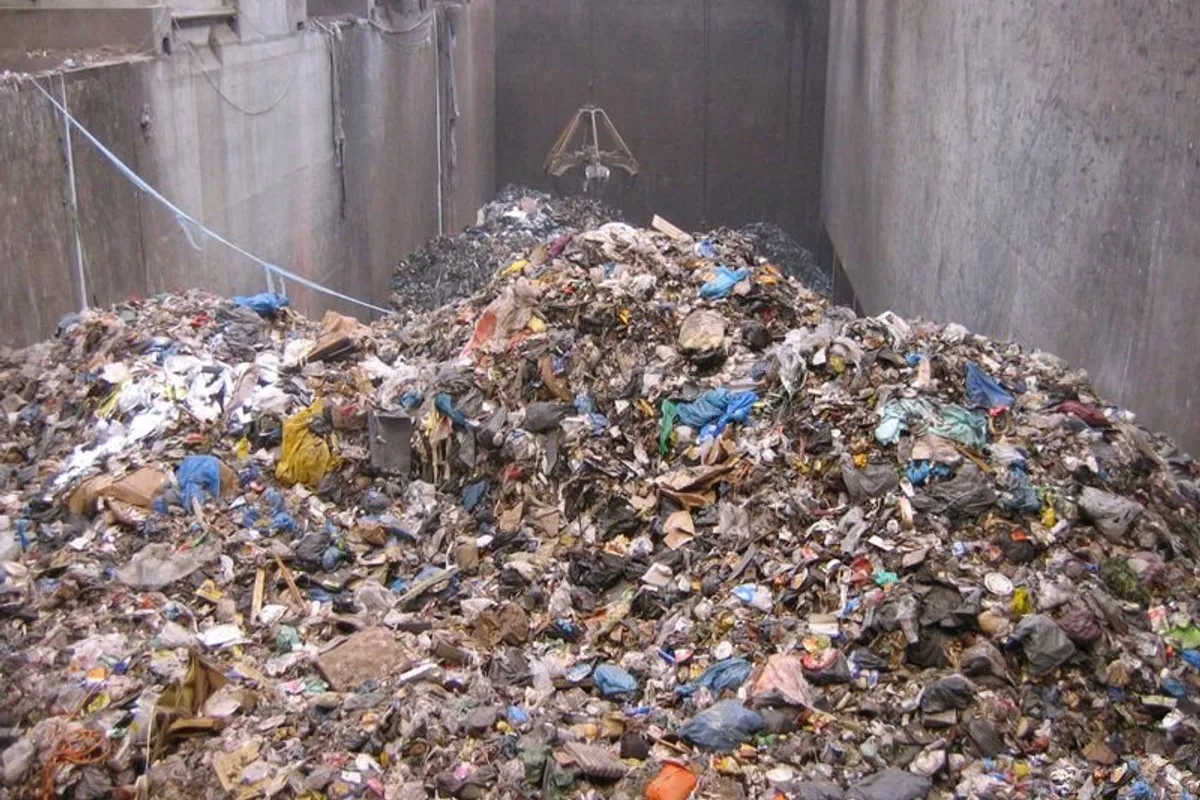
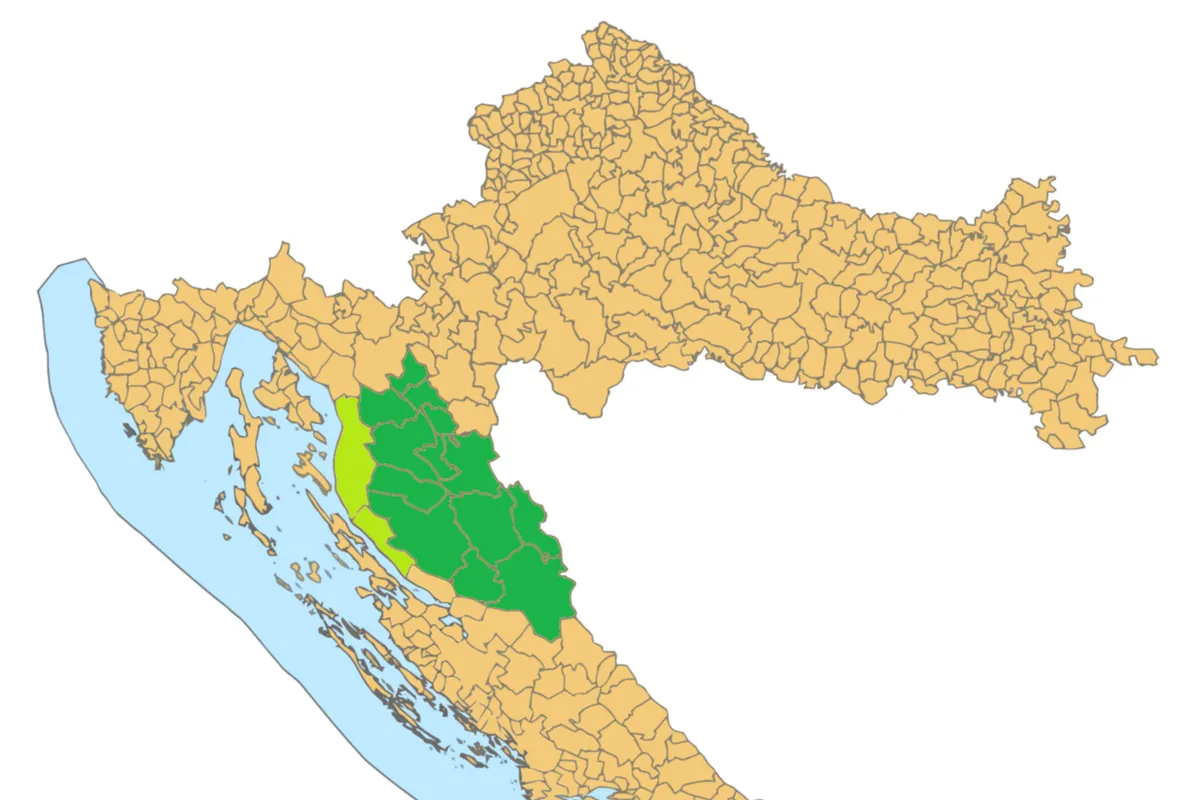
According to Europol data, the organized group imported waste primarily from Italy, Slovenia, and Germany between 2022 and 2024. This waste was falsely presented as plastic material for recycling, only to end up buried in the ground or dumped in the open in the areas of Varaždin, Gospić, and Benkovac. Europol estimates that the network made at least four million euros from these illegal activities. Investigators suspect that in official documentation, the waste was presented as raw material intended for recycling or further processing, while in reality, part of it ended up buried, covered with soil and gravel, or mixed with construction material.
USKOK launched the investigation in February 2025, and Index already reported on February 13, 2025, that the prime suspect was Josip Šincek. According to information obtained by that portal, investigators had secretly monitored and wiretapped Šincek and his wife Monika for months, recording them organizing the transport of waste to illegal dumpsites. The investigation covers a number of locations across Croatia, including Otočac and especially Gospić, where waste was brought to the site of the former PPK Velebit, with silos, open areas, and surrounding land used for storage and disposal.
Expansion of the Investigation and Corruption Dimension
The investigation has expanded over time. In June 2025, USKOK was investigating how Šincek's company obtained waste management permits in Gospić. It gained additional momentum in March 2026, when a new illegal dumpsite was discovered near Senj. It is suspected that at least 2,640.23 tons of waste containing harmful and dangerous substances were illegally disposed of there, although other parts of the investigation mention a quantity of more than 2,600 tons.
In addition to environmental crime, the case has also taken on a corruption dimension. In November 2025, Index unofficially learned that Šincek and the then Chief State Inspector Andrija Mikulić had met several times at a café in Gospić. Šincek later told USKOK that Mikulić had demanded up to 500,000 euros in bribes to have the State Inspectorate halt proceedings against his companies. This claim was also confirmed by Šincek's lawyer Petar Car, adding that investigators had checked his statements.
Threat to the Environment and Health
USKOK states that the prime suspect was aware that disposing of waste in the described manner could endanger the soil, agricultural land, water, and human health. The investigation is still ongoing, and all suspects, including Šincek, are presumed innocent until proven guilty by a final court ruling.