Puljak Criticizes Lack of Warning During Fire Near Omiš: 'Who Told Tourists What to Do?'
The large fire near Omiš has exposed serious shortcomings in the civil protection system, with criticism over the non-activated SRUUK coming from all sides.
The large fire near Omiš has exposed serious shortcomings in the civil protection system, with criticism over the non-activated SRUUK coming from all sides.

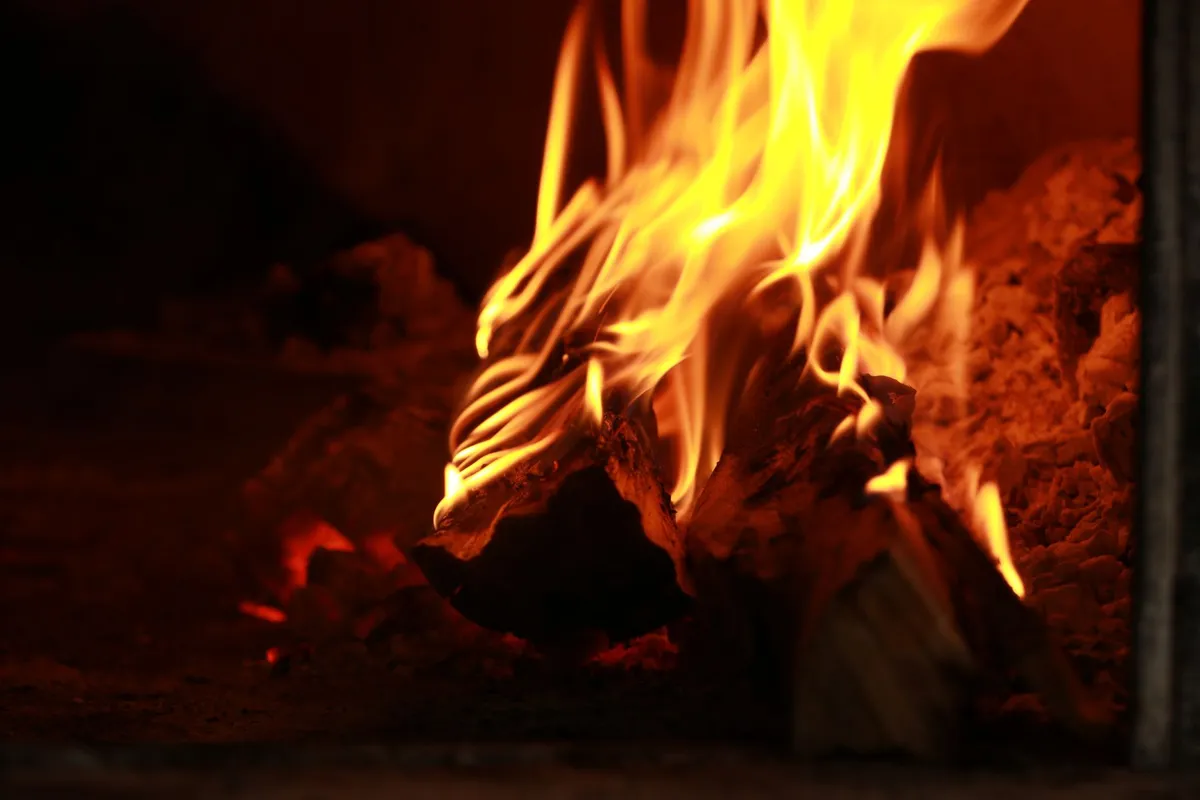
The large fire that affected the Omiš area has raised a series of questions about the readiness of Croatia's civil protection, especially about why the Early Warning and Crisis Management System (SRUUK) was not activated. While firefighters battled the blaze, the public is asking a key question: who was supposed to inform people about what to do?
In a social media post, as reported by Dalmacija Danas, Puljak strongly criticized the authorities for the lack of warning. She particularly highlighted the issue of tourists, with around 12,000 of them staying in the affected area at the time.
"And what about the 12,000 tourists? Who told them what to do while it was burning?"
According to 24sata, Puljak emphasized that these are people from the Czech Republic, Poland, Germany, and Hungary who do not understand Croatian, do not follow local portals, and are unfamiliar with local roads. This raises the question of how these people could have known what to do in a crisis situation.
The State Attorney's Office confirmed that the fire broke out in a forested area along the road in Lokva Rogoznica. Driven by strong winds, the fire spread toward Omiš in a belt about 23 kilometers long and one and a half kilometers wide, affecting approximately a thousand hectares.
Goran Lović, a restaurateur from Lokva Rogoznica who witnessed the start of the blaze, described the dramatic moments. "It was a cataclysm. The wind kept changing direction, the bura was strong, and it was burning on all sides. We couldn't reach our children and home because we were cut off," Lović told HRT.
Lović expressed doubt about the natural cause of the fire. "There's no infrastructure here, no electricity or water, and the terrain beyond the road is inaccessible. We believe this was arson, and for us, it's a kind of terrorism," he said.
"Please, help us and don't forget us. Don't let Lokva Rogoznica and Omiš be forgotten after three days."
City councilor Viktorija Knežević spoke out via Facebook, and her post was shared by Dubrovnik Insider. Her criticism targets the very core of the civil protection system.
"SRUUK WAS NOT SUPPOSED TO REPORT THAT IT WAS BURNING. IT WAS SUPPOSED TO SAY WHAT TO DO. People saw the fire themselves. The state should have told them how to stay alive."
Knežević pointed out that the message the system should have sent would have been concrete instructions, not just a notification. She gave an example of what it should have said: "Residents of affected settlements should prepare for evacuation. Do not use cars unless instructed by authorities. Keep the D8 road clear. Follow instructions on assembly points and possible evacuation by sea."
She particularly criticized the level of training for those in charge. According to her, the statutory training for mayors, municipal heads, and county prefects for civil protection duties lasts only seven school hours. In comparison, in Switzerland, members of crisis management bodies are recommended about 40 hours of additional training per year.
Knežević concluded that the decision not to activate SRUUK was not made by the wind or the night, but by specific people in positions of responsibility. The public, she believes, must learn who considered activation, at what time, and on what basis the message was withheld.
Electricity supply in Lokva Rogoznica has been restored, with HEP workers involved in the repair. The City of Omiš has called on residents whose roofs were damaged in the fire to contact [email protected].
The city has prepared PVC tarpaulins, with distribution starting tomorrow, so that residents can protect damaged homes before the forecast rain and prevent further damage.