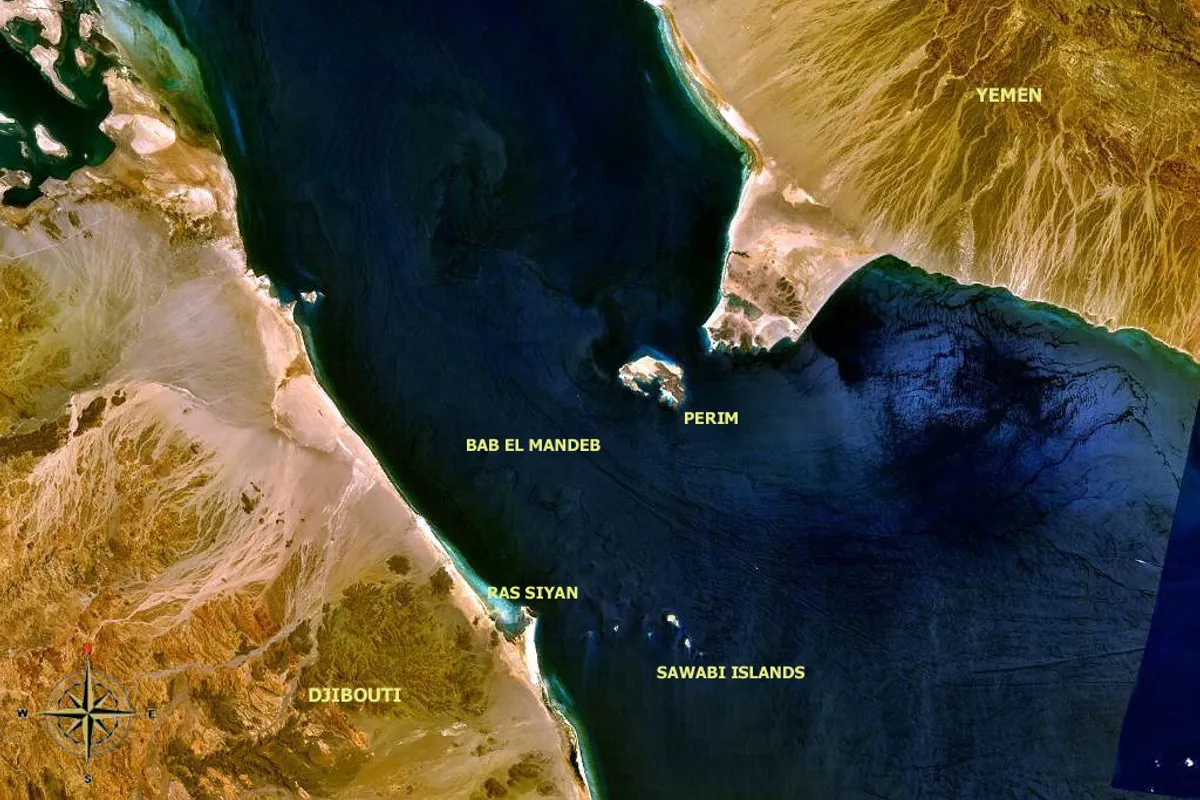
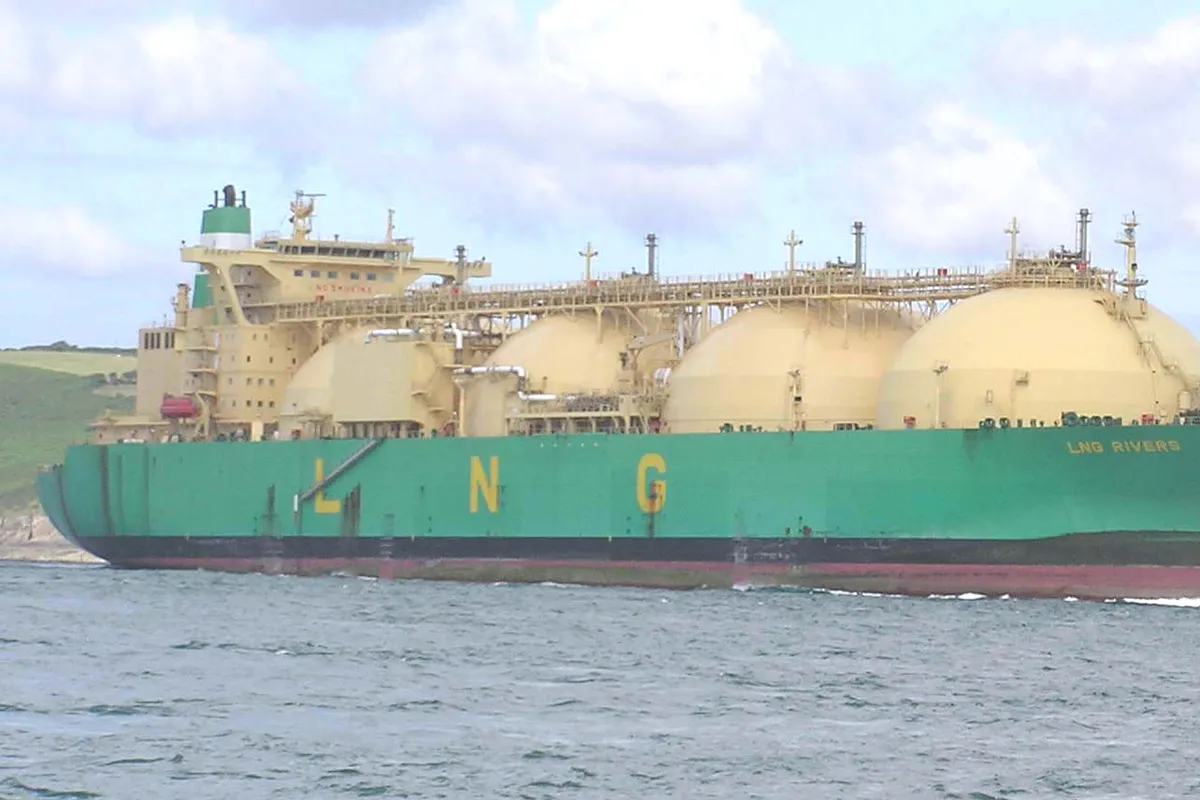
A missile attack on a cargo ship in the Bab el-Mandeb Strait, which occurred on the night before August 19, 2026, immediately impacted the global oil market. Brent crude prices on the London exchange rose to $91.63 per barrel, while U.S. WTI crude reached $85.28. Russian Urals crude traded at $84.60, according to Azernews.
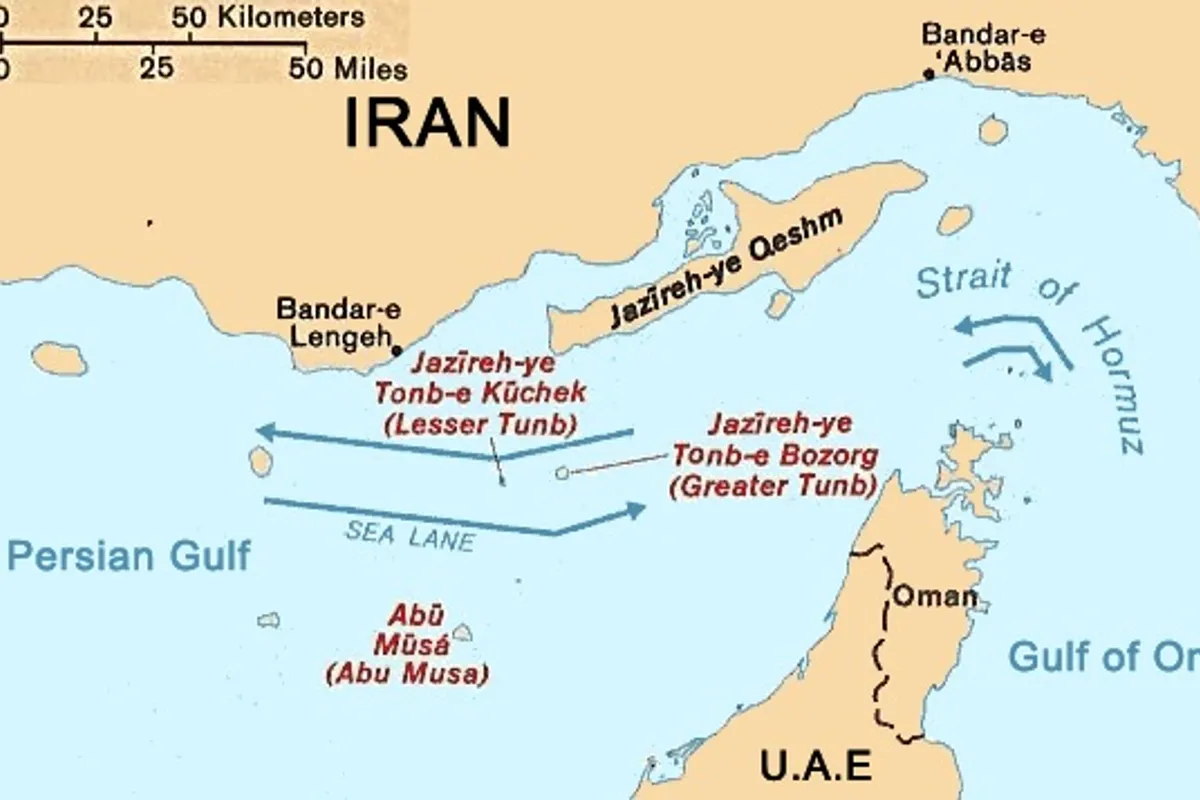
Azerbaijan's Azeri Light crude, known for its low sulfur content and high quality, fetched an even higher price of $94.58 per barrel. The price increase comes despite conciliatory statements from U.S. and Iranian officials, as the Bab el-Mandeb Strait has become increasingly dangerous, adding to the existing tensions in the Strait of Hormuz.
Houthi Militants Expand Threat Zone
The fact that the target of the attack was a container ship, not an oil tanker, does not fundamentally change the situation. If Houthi militants spot a tanker, they could launch missiles at it as well, further jeopardizing the safety of this critical shipping lane. According to a Reuters estimate, in the event of a serious blockade, global oil prices could rise to $115-$120 per barrel.
The situation is particularly significant as the winter season approaches, which is expected to increase demand for energy and put additional pressure on prices. As the Strait of Hormuz became more dangerous, some Middle Eastern countries began to rely more heavily on the route through Bab el-Mandeb. However, the Houthis, who are seeking to pressure the United States to halt military operations in the region, have now created an additional security risk on that route as well.
Washington-Tehran Talks at a Standstill
The U.S. Energy Information Administration has reported that stabilization of the situation in the Strait of Hormuz is not expected in the near future. One of the main reasons is the lack of progress in negotiations between Iran and the United States. Both sides continue to blame each other, while no concrete steps have been taken to reopen the strait. Meanwhile, active military operations have not resumed.
Washington and Tehran, which maintain indirect communication via Qatar and Pakistan, are both feeling the consequences of the ongoing disruption of shipping lanes and the resulting decline in global oil supply. Iran is struggling to export its own oil, while the United States is increasingly concerned about rising fuel prices on the domestic market.