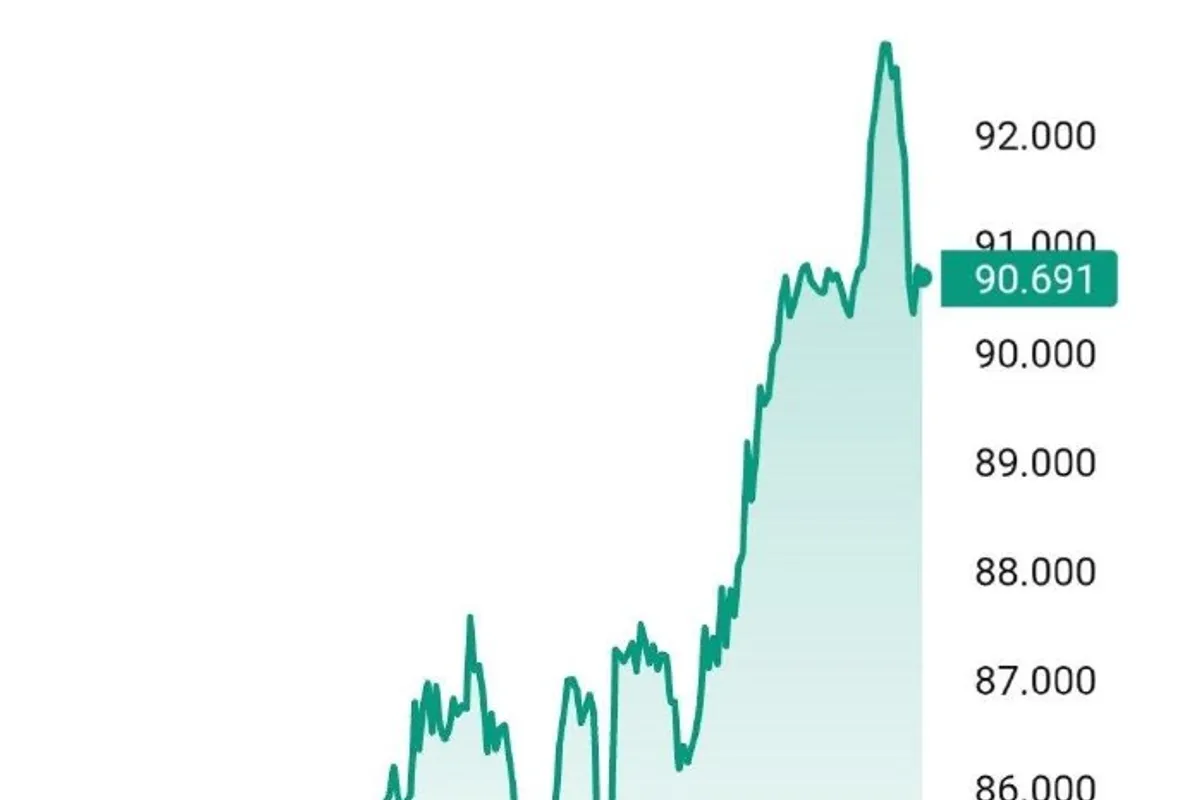
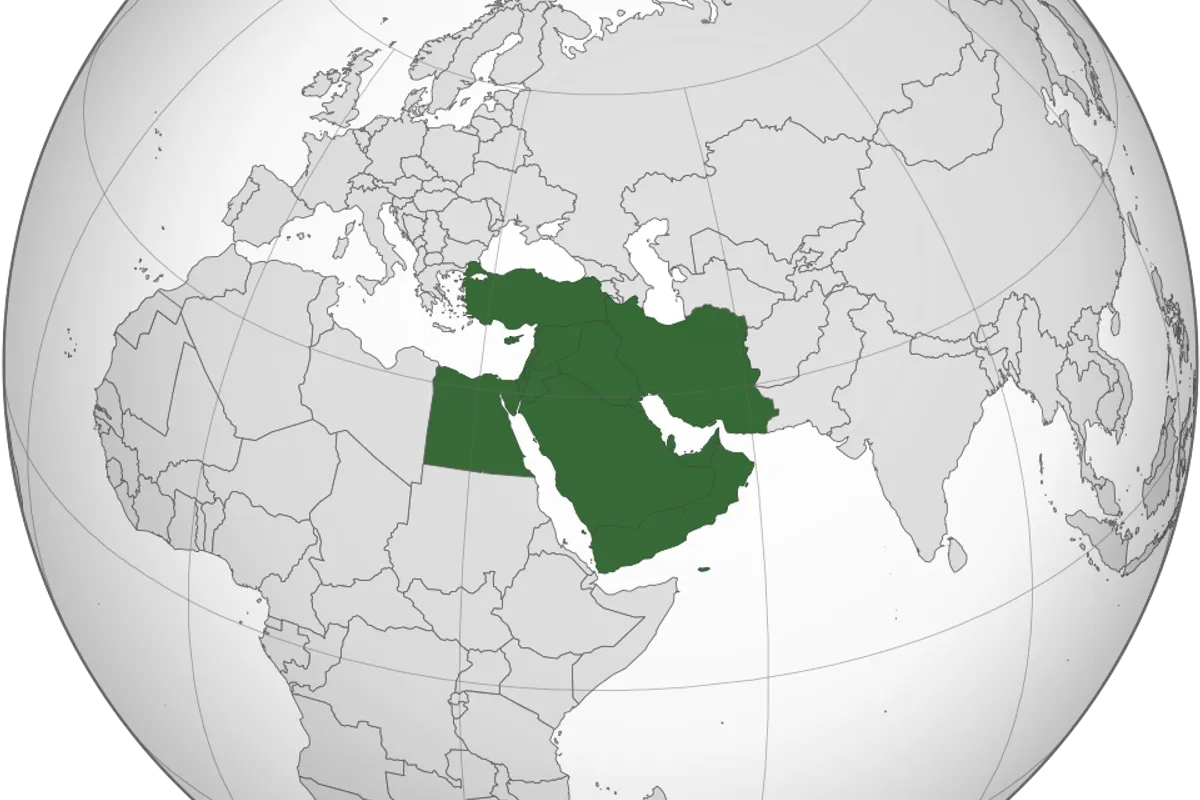
Oil prices on world markets rose again on Tuesday amid escalating conflict in the Middle East and a deepening stalemate in negotiations between the United States and Iran. Talks to end the conflict have not yielded an agreement, with the parties maintaining serious differences over the terms of a resolution, including mutual demands for compensation.
Brent crude, the global benchmark, reached $89 per barrel, while U.S. West Texas Intermediate (WTI) hit $84. At the same time, the U.S. Energy Information Administration (EIA) raised its forecasts for 2026, projecting an average Brent price of $87, up five dollars from a month ago. U.S. retail gasoline prices are now expected to average $3.78 per gallon, compared to $2.98 before the start of the war.
Strait of Hormuz Far from Normal Traffic
Although President Donald Trump stated in the Oval Office on Monday that the Strait of Hormuz is "open" and controlled exclusively by the U.S. Navy, maritime traffic data suggests otherwise. According to the maritime intelligence firm Kpler, only eight ships passed through this strategic passage on Monday, compared to an average of 120 before the war. By noon on Tuesday, according to MarineTraffic data, only seven large vessels had transited.
In its report, the EIA directly cited "restrictions on transit through the Strait of Hormuz" as a key factor in rising prices, adding that the forecast "assumes these restrictions will persist through August." Before the war, about one-fifth of the world's oil passed through the strait.
U.S. Navy Disables Another Vessel
On Tuesday, U.S. forces fired two Hellfire missiles at the Panamanian cargo ship M/V Vela Nova, which, according to a statement from U.S. Central Command (CENTCOM), "attempted to transit the Gulf of Oman and violate the U.S. blockade of Iran." The crew ignored repeated warnings, after which a U.S. Navy MH-60 helicopter disabled the ship's rudder. "The vessel is no longer sailing toward Iran in violation of the U.S. blockade, which remains in effect," CENTCOM announced.
Since the re-imposition of the blockade on Iranian ports in July, U.S. forces have diverted 55 commercial vessels, disabled three non-compliant ships, and boarded two. The blockade was reinstated following the collapse of the temporary ceasefire between the U.S. and Iran.
Houthis Attack Ships in the Red Sea
Additional pressure on the energy market comes from Yemen, where the Iran-backed Houthis continue to strike Saudi Arabian oil and gas infrastructure and attack vessels linked to the kingdom. The Yemeni government accused the Houthis of a "double" attack on the cargo ship Tihamah in the Bab el-Mandeb Strait, in which three ballistic missiles were fired. The vessel sails under the Tanzanian flag and is owned by companies registered in Egypt and Yemen.
According to a statement from Yemen's Ministry of Transport, four crew members-three Pakistanis and one Indonesian-and two rescue workers were killed in the attack. Four crew members and one rescuer were injured. The ministry accused the Houthis of targeting the vessel even after search-and-rescue operations were already underway, attempting to "endanger the lives of everyone on board, including rescue teams." The Houthis claimed responsibility for the attack, asserting that the ship was carrying military equipment.
The maritime intelligence group Marisks reported three crew members killed on a Saudi vessel, marking a "serious further escalation against Saudi shipping interests." On July 20, the Houthis declared a blockade of the Bab el-Mandeb Strait, warning they would target any Saudi ship attempting to pass, in response to the long-standing Saudi blockade against the group.
Tehran and Washington Exchange Compensation Demands
Iran has set conditions for reopening the Strait of Hormuz, including the lifting of the U.S. naval blockade and the payment of compensation. Trump responded on Monday with his own demand for compensation, telling reporters: "But that's an interesting idea, because now I'm also demanding compensation from Iran, for all the people they've killed and badly wounded with their roadside bombs and in many conflicts, for which they are known."
Meanwhile, Mohsen Paknejad told the Shana agency that "the removal of debris, the first phase of work, has been completed" at the affected Asaluyeh gas complex, while contractors have begun restoration work. According to Iranian government spokesperson Fatemeh Mohajerani, 230 million cubic meters per day of natural gas production capacity has been lost since the start of the war.