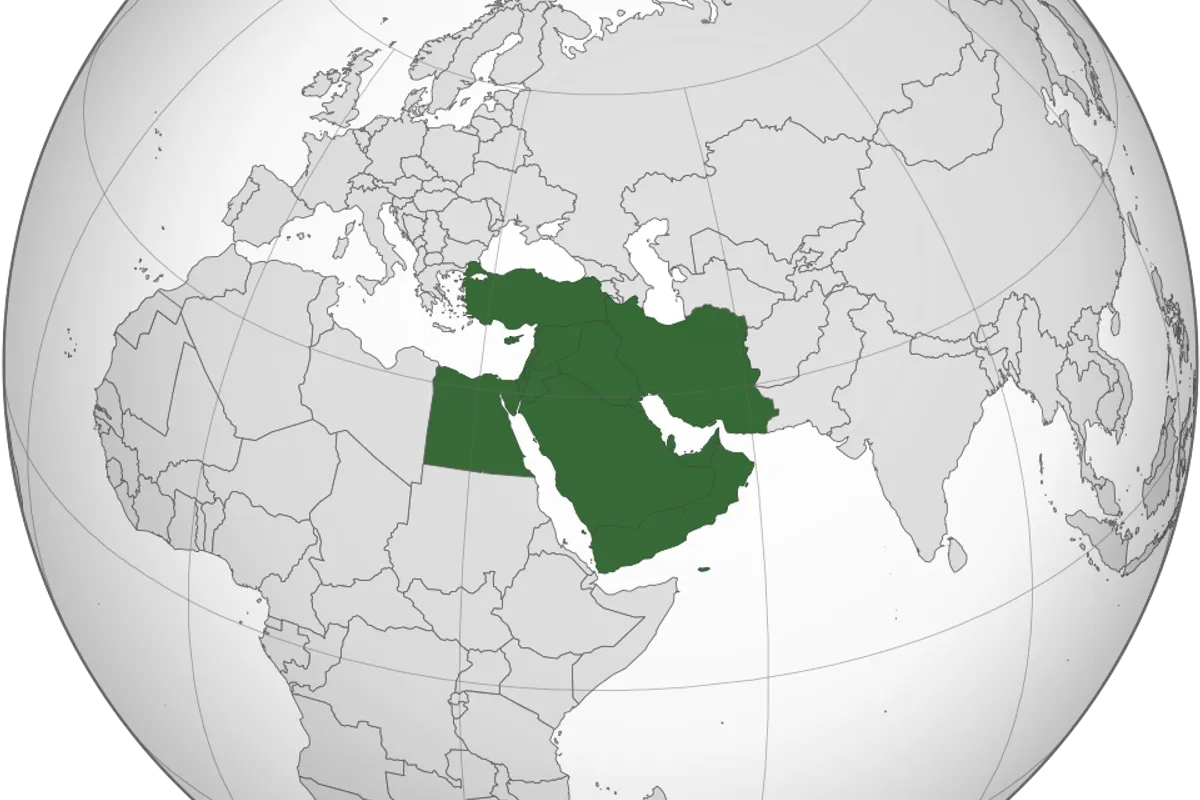
The escalation of conflict in key maritime passages around the Arabian Peninsula has taken on a new, bloody dimension. Yemeni authorities have attributed to Houthi Shiite rebels an attack on a cargo ship in the Bab el-Mandeb Strait, in which four sailors and two Yemeni soldiers were killed. These are the first recorded casualties in the Red Sea since the start of the war between Washington and Tehran on February 28, 2026.
Three Ballistic Missiles Fired at Food-Laden Ship
The target of the attack was the cargo ship Tihamah, sailing under the Liberian flag. According to a statement from Yemen's Ministry of Transport, "three ballistic missiles" were fired at the vessel as it passed through the strategic strait separating Yemen from the African coast.
"The Houthis attacked a ship carrying food cargo, causing a fire on board and killing four crew members—three Pakistanis and one Indonesian—and wounding four others and one soldier from the rescue team," reads the statement, as reported by the Italian news agency ANSA. In a second wave of attacks, missiles struck the ship while rescue teams were conducting evacuation, killing two Yemeni soldiers in the process. This attack pattern is known as a "double tap," a tactic in which the same location is targeted twice, with the intent of hitting those who come to the aid after the first strike.
Tensions in the region have further escalated following Houthi warnings last month, when they threatened to target any Saudi ship passing through the strait, in response to a blockade imposed by Riyadh on the group. Simultaneously, the British maritime surveillance service reported an incident involving a container ship and military forces in the Gulf of Oman, underscoring growing instability across the wider area.
Strait of Hormuz Under American Fire
While the bloodshed continues in the south, things are no calmer on the other key battlefield. U.S. forces opened fire on a vessel flying the Panamanian flag that attempted to breach the naval blockade of Iranian ports in the Strait of Hormuz in the early morning hours of August 11. For the Wall Street Journal, an unnamed U.S. official explained that a military helicopter targeted the ship's rudder after the crew ignored warnings. No casualties were reported in that incident. According to available information, the U.S. military used Hellfire missiles to disable the vessel, which was sailing toward an Iranian port, confirming Washington's determination to forcibly prevent violations of the blockade.
The Strait of Hormuz, through which roughly one-fifth of the world's oil passed before the war, has become a focal point of negotiations and military tensions. U.S. officials warn that continued closure of this strategic passage could lead to further increases in oil and gas prices. Although President Trump claimed the strait is "open," shipping traffic data does not confirm that statement, casting further light on the severity of the situation.
Trump Defends Pressure Strategy: "I'm Their Banker"
Despite the stalemate in negotiations between Iran and the U.S., aimed at reopening Hormuz, President Donald Trump is not abandoning his strategy of economic pressure. In an interview with the right-wing television station Real America's Voice, he lashed out at Iran's economic situation, calling himself "their banker."
"They have 300% inflation, they have no value. Their currency is worth almost nothing. They don't pay their soldiers. The soldiers are leaving. That's why we have to keep going, because the situation is not sustainable," Trump said.
Adding another dimension to the tensions is the revelation of a covert operation last month, when Trump left Turkey in a smaller aircraft after faking his departure aboard the presidential plane, Air Force One. According to sources close to the White House, Secretary of State Marco Rubio and Treasury Secretary Scott Bessent remained on the larger aircraft, which served as a decoy, while the president was transferred to a British military base. The entire operation was carried out due to an Iranian threat deemed serious enough to require a secret aircraft swap, with a catering truck used to shield the president from public view. "I guess there was a threat. I didn't ask too much about it. I get a lot of threats," Trump said of the incident, adding that any plane he is on is a more likely target of attack.
Oil Prices Swing Wildly, Glimmer of Hope from Islamabad
Geopolitical turbulence is currently being mirrored in global energy markets. The price of Brent crude oil first surged sharply, touching the $90 per barrel level, before reversing course. The reversal came after a statement from Pakistan's defense minister, who suggested that Iran and the U.S. are close to reaching "some kind of agreement."
The Houthis, who control much of northern Yemen and enjoy Tehran's support, have not yet officially commented on the attack on the Tihamah. Last month, however, they warned that they would target any Saudi ship passing through the strait, in response to the blockade imposed by Riyadh on the group.