One of the Largest Criminal Networks in the Mediterranean Dismantled: 78 People Arrested
The network smuggled drugs, weapons, and migrants between Algeria and Spain, and also served as a logistics hub for notorious clans like the 'Mocro Mafia'.
The network smuggled drugs, weapons, and migrants between Algeria and Spain, and also served as a logistics hub for notorious clans like the 'Mocro Mafia'.
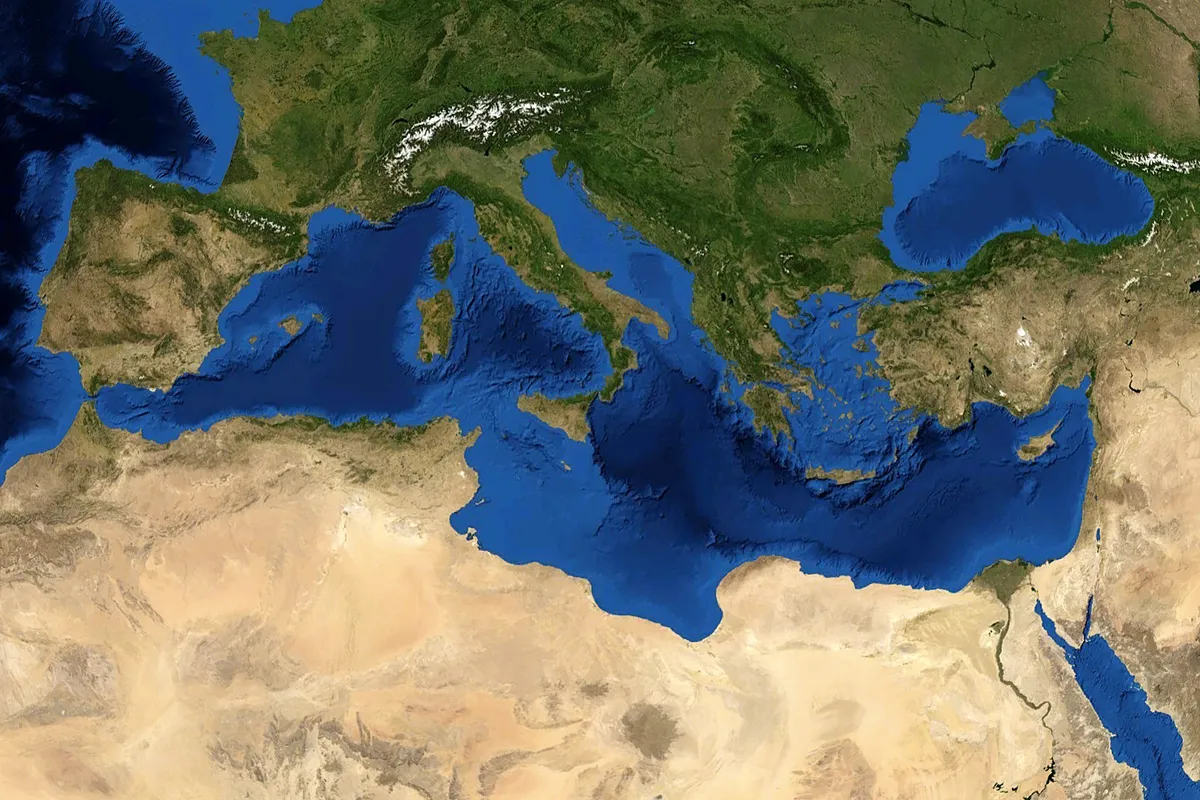
Europol, the European Union's law enforcement agency, announced on August 7, 2026, that one of the largest drug and human smuggling networks in the western Mediterranean had been dismantled. In a sweeping operation involving police forces from multiple countries, a total of 78 people were arrested in Spain and Algeria.
The investigation revealed that the network, predominantly composed of suspects of Algerian origin, operated as a sophisticated logistics hub for various criminal groups. In addition to smuggling, they were involved in violent robberies, extortion, illegal detentions, and money laundering, with financial flows managed through the hawala system to hinder tracking.
The operation uncovered a complex two-way smuggling model. On the route from Spain to Algeria, the network transported synthetic drugs such as MDMA, firearms, and explosives. There is a discrepancy among sources regarding the origin of the synthetic drugs: the BBC reports they came from Spain and Portugal, while Klix.ba states the route involved Spain and France. The return routes from Algeria to Spain were used to smuggle cannabis, weapons, and migrants to the Spanish mainland and the island of Ibiza.
For transportation, they used a fleet of 18 speedboats, including so-called 'ghost gliders,' valued at an estimated 5 million euros (about £4.2 million). These are boats up to 14 meters long with 3 to 4 engines, banned in Spain because they are designed to evade radar and police patrols.
"The group used these boats to organize transfers in international waters near the Spanish coast. Once the cargo or migrants were handed over at sea, other network members arranged onward land transport," Europol explained.
Migrants paid up to 12,000 euros per person (about £10,200) for illegal passage into Europe. In a single voyage, overcrowded gliders without lighting or life jackets, often in extremely bad weather, could carry up to 50 migrants. From human smuggling alone, the network made profits exceeding 24 million euros (about £20 million).
Investigators suspect that group members committed sexual assaults, physical abuse, and held migrants in inhumane conditions in makeshift shelters. These findings further highlight the brutality with which the network operated, using firearms, threats, and hired hitmen to maintain control.
During raids on 17 locations in Spain, including Alicante, Almería, Cartagena, and Murcia, a significant amount of goods and money was seized. Among the confiscated items were 15,000 MDMA tablets (weighing 7 kilograms), 61 kilograms of hashish, half a kilogram of cocaine, a .38 caliber revolver, a simulated automatic pistol, ammunition, and over 25,000 euros in cash. Satellite phones, GPS devices, and encrypted communication tools were also seized.
The network had extensive ties to criminal groups in France, Belgium, Portugal, Italy, and Poland, and also served as a major logistics hub for notorious clans known as the 'Mocro Mafia'.
The announcement of the operation's success comes a week after approximately 78,000 migrants fled into Ceuta, a Spanish North African territory, spurred by internet rumors of an open border. Most migrants returned to Morocco, but between 3,000 and 5,000 remained in the area, according to Ceuta's leader, Juan Jesús Vivas.