Rijeka Breaks Heatwave Records
DHMZ Director Ivan Güttler explained how the SRUUK system is activated, warned of the possibility of a new heatwave, and highlighted the growing shortage of expert staff.
DHMZ Director Ivan Güttler explained how the SRUUK system is activated, warned of the possibility of a new heatwave, and highlighted the growing shortage of expert staff.
The director of the State Hydrometeorological Institute (DHMZ), Ivan Güttler, appeared on the show 'New Day' with Tihomir Ladišić on Wednesday, August 19, 2026. During the interview, he discussed the extreme summer, broken temperature records, and how citizens receive warnings about potential dangers.
Speaking about the end of the last heatwave, Güttler stated: "We can say that the last heatwave in Croatia has ended. We have no active warnings. Only for one part of eastern Croatia do we have a low-level warning, but it will be very short-lived, lasting about a day."
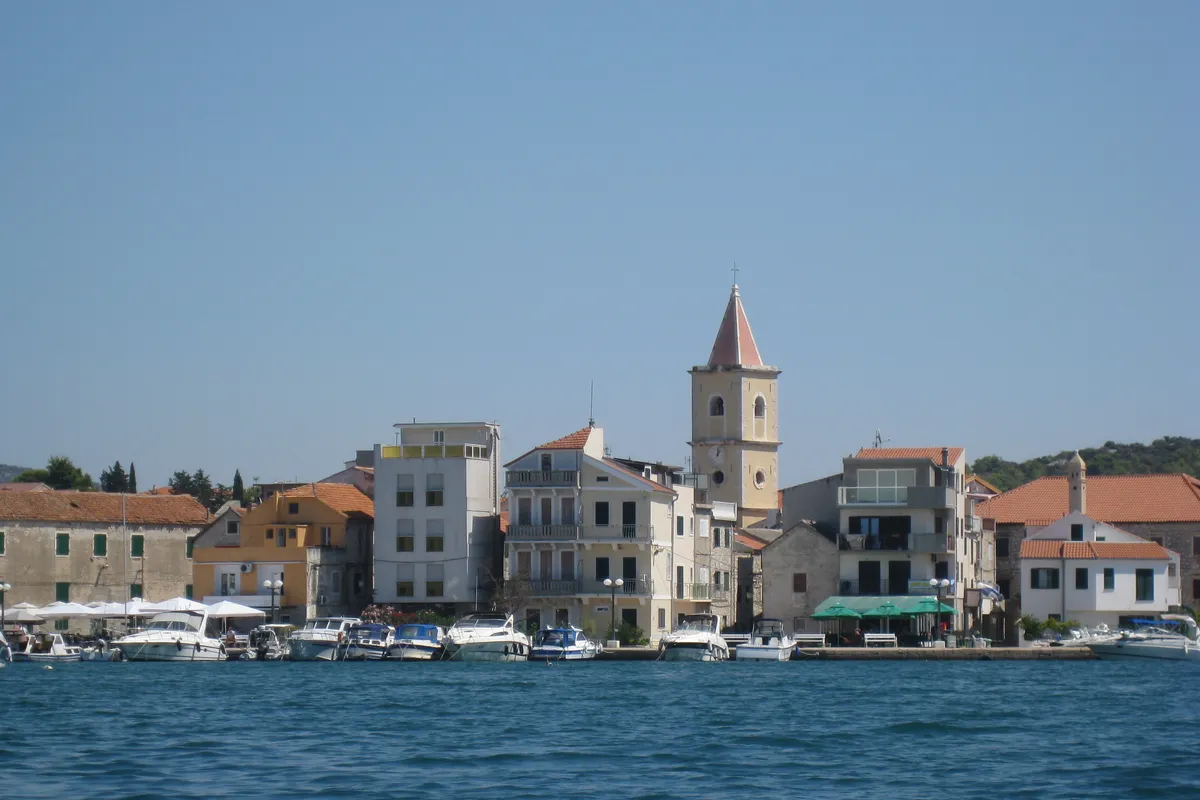
DHMZ analyses have shown that records were broken at several locations this year, with the city of Rijeka standing out. "What the analysis showed is that this year we broke records at several locations. For example, in the Rijeka area, we had a streak of 20 consecutive days with heatwave warnings of any level, and a new record of 10 consecutive days with the highest-level warning," said the director.
Despite this, the absolute Croatian temperature maximum remained untouched. The highest temperature ever recorded in the country was 42.8 degrees Celsius, measured in Ploče during the 1980s. "We didn't surpass that record, but we are recording new absolute records at the monthly and seasonal levels," Güttler explained.
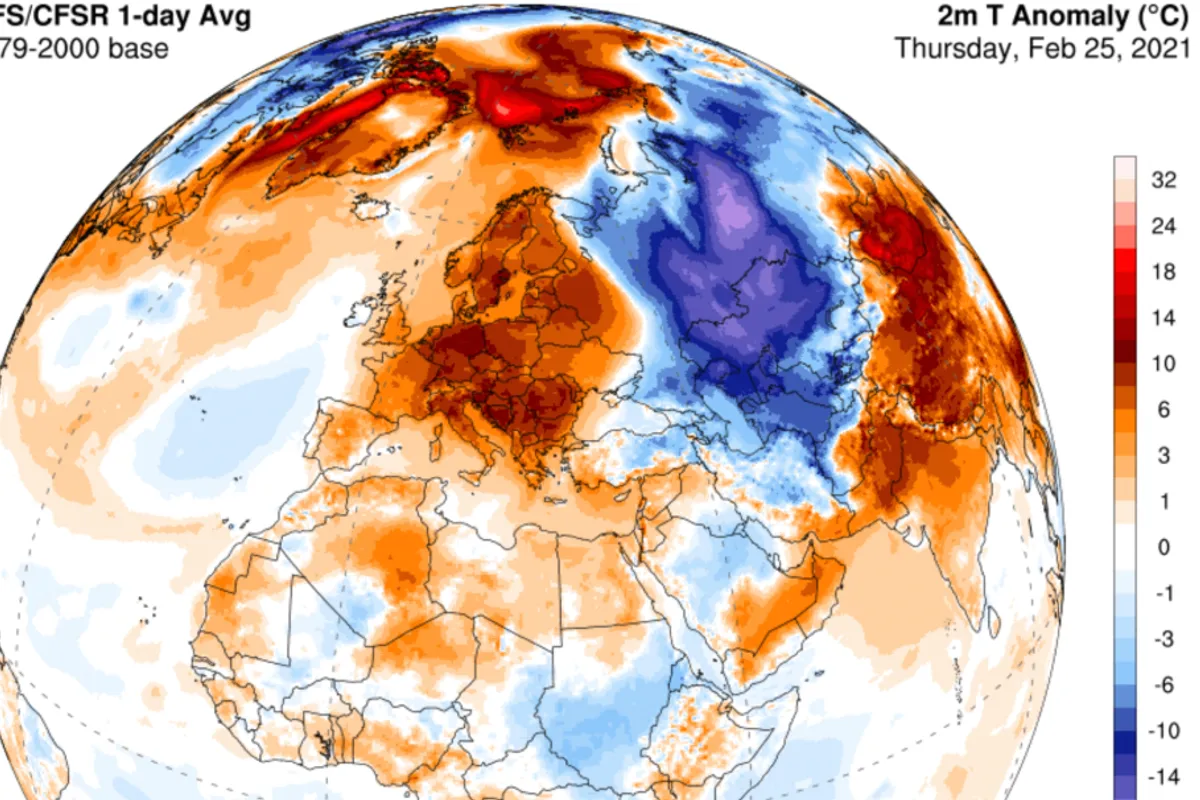
The DHMZ director warned that periods of heat stress are now significantly longer than before. He noted that there are still two weeks left until the end of August and that the possibility of another heatwave, whether across all of Europe or just part of it, cannot be ruled out. "We have two more weeks until the end of August, and it's not out of the question that we could see another heatwave, whether in all of Europe or a part of it," he said.
The summer in Croatia, as in the rest of central Europe, has been marked by a combination of three simultaneous problems: heatwaves, drought, and an increased risk of open-type fires. "The combination of hot and dry summers is something we will see more frequently in the future," Güttler assessed, adding that the change in the hydrological cycle is not permanent and that precipitation will return.
Due to extreme weather conditions, the question of how citizens receive warnings about impending dangers has resurfaced. DHMZ has activated the SRUUK system on several occasions, and Güttler explained when this communication channel is used.
"We have two main channels. Our primary channel is the so-called Meteoalarm, and that term has become part of general culture. The SRUUK system is an additional communication channel. We activate this system one to two times a year so far, and we are responsible for that part of weather disasters," he said, adding that since 2023, DHMZ has issued an order for its activation only five times.
He emphasized that it is an additional communication channel and described the activation process itself. "In cases where there are truly justified elements that within a day or two conditions will arise for activating SRUUK, we open communication with the Civil Protection Directorate, prepare a draft of the message and its content, and in communication with the director general, that is, with me, we decide whether to give the order or not to the Civil Protection Directorate to send a message with such and such content," Güttler explained.
He also reflected on Croatia's progress in the system of protection against extreme weather phenomena over the past years. Although investments have been significant, he warned of a problem that could become more pronounced in the future: the shortage of expert staff. "In the last ten years or so, huge funds have been invested, but my concern is that we are slowly running out of expert staff," Güttler concluded.