Parents, Beware: One Food Mistake at the Beach Could Endanger Your Baby
Summer heat is ideal for bacterial growth, and babies are especially vulnerable. Here are the key rules for safely handling food at the beach.
Summer heat is ideal for bacterial growth, and babies are especially vulnerable. Here are the key rules for safely handling food at the beach.
Summer trips to the beach with a baby require extra planning, especially when it comes to food. High temperatures accelerate bacterial growth, and the immune systems of the youngest are not yet developed enough to cope easily. The portal Beba za stolom warns that improper storage of meals can lead to foodborne illnesses.
It is crucial to understand that bacteria multiply most rapidly in the temperature range of 5 to 60 degrees Celsius. Therefore, it is not enough to just pack a meal in a bag and hope for the best. Before leaving, hands, containers, and utensils must be thoroughly washed, and any food prepared in advance should be kept in the refrigerator until departure.
The general rule is: perishable food should not sit at room temperature for more than two hours. However, when the outdoor temperature reaches about 32 degrees Celsius, this period is significantly reduced to a maximum of one hour. If you are unsure how long a food item has been in the heat, experts recommend discarding it to be safe.
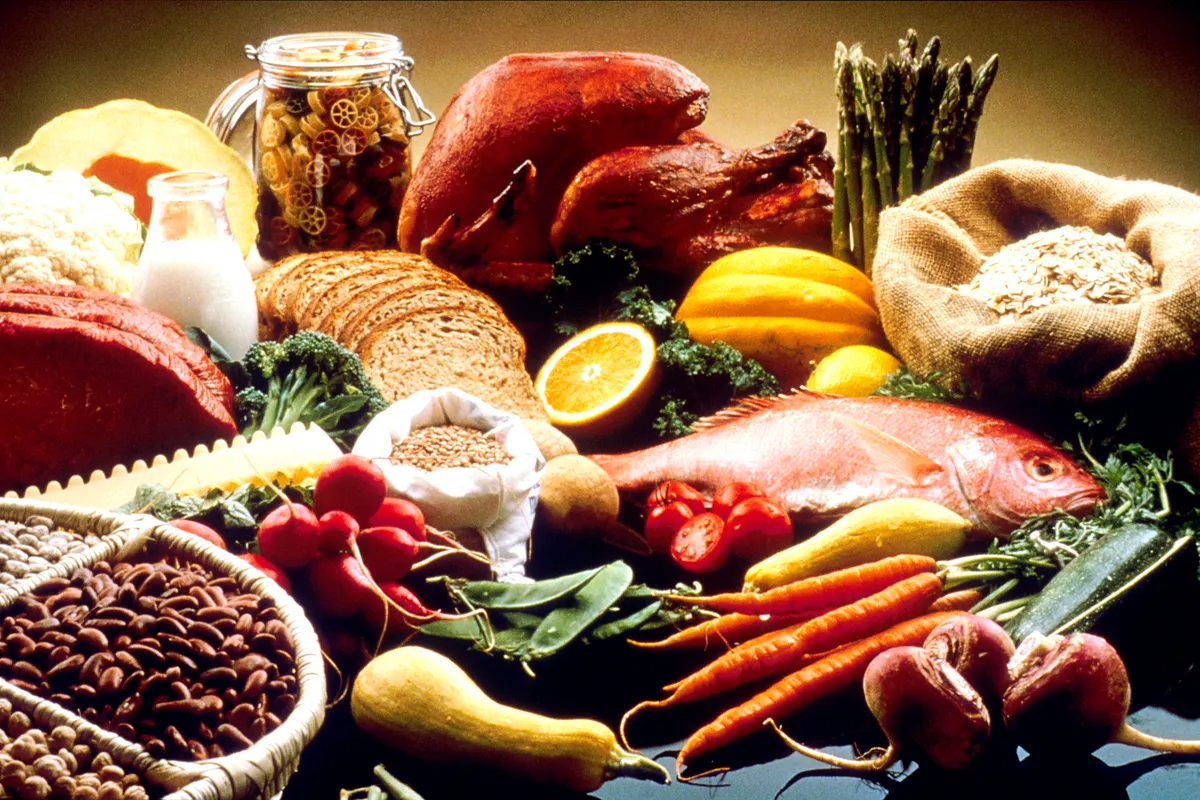
The most practical choice is simple foods that require no additional preparation. Recommendations include well-washed fresh fruits and vegetables, cooked carrots, zucchini, or corn, vegetable patties, homemade muffins, pancakes, bread, tortillas, oat balls, and cooked pasta that is kept continuously refrigerated. If you cut fruit before leaving, be sure to keep it in the fridge, and it is even better to bring whole fruits and cut them just before eating.
Watermelon and cantaloupe require special attention. Although their rinds are not eaten, they should be thoroughly washed before cutting because bacteria from the surface can easily transfer to the edible part.
Parents who use formula should prepare it immediately before feeding. The best approach is to bring boiled water in a thermos and the powder in a separate sterile container, combining them only when the baby asks for food. If formula is already prepared, it can sit at room temperature for up to two hours. Once the baby starts drinking from the bottle, any remaining contents should be discarded within one hour.
During the summer, expressed breast milk is best kept in a portable cooler or insulated bag with an ice pack. Although it can last up to four hours at typical room temperature, this recommendation does not apply to extremely hot conditions like the beach. If the child has already drunk from the bottle, any remaining milk should be used within two hours.
Some foods spoil significantly faster during the summer. Special attention is needed for meat, fish, eggs, dairy products, various spreads, sandwiches, and dishes containing mayonnaise. This does not mean you cannot bring them to the beach, but you must continuously keep them at the right temperature and consume them as soon as possible after removing them from the cooler bag.
If food has been sitting in the heat for a while or the baby has already eaten from the same container, it is not recommended to save it for later. Bacteria from the child's saliva can multiply very quickly, even if the food is subsequently chilled. When in doubt, it is safer to throw the food away. Remember to bring plenty of drinking water and hand sanitizer or soap for washing hands.