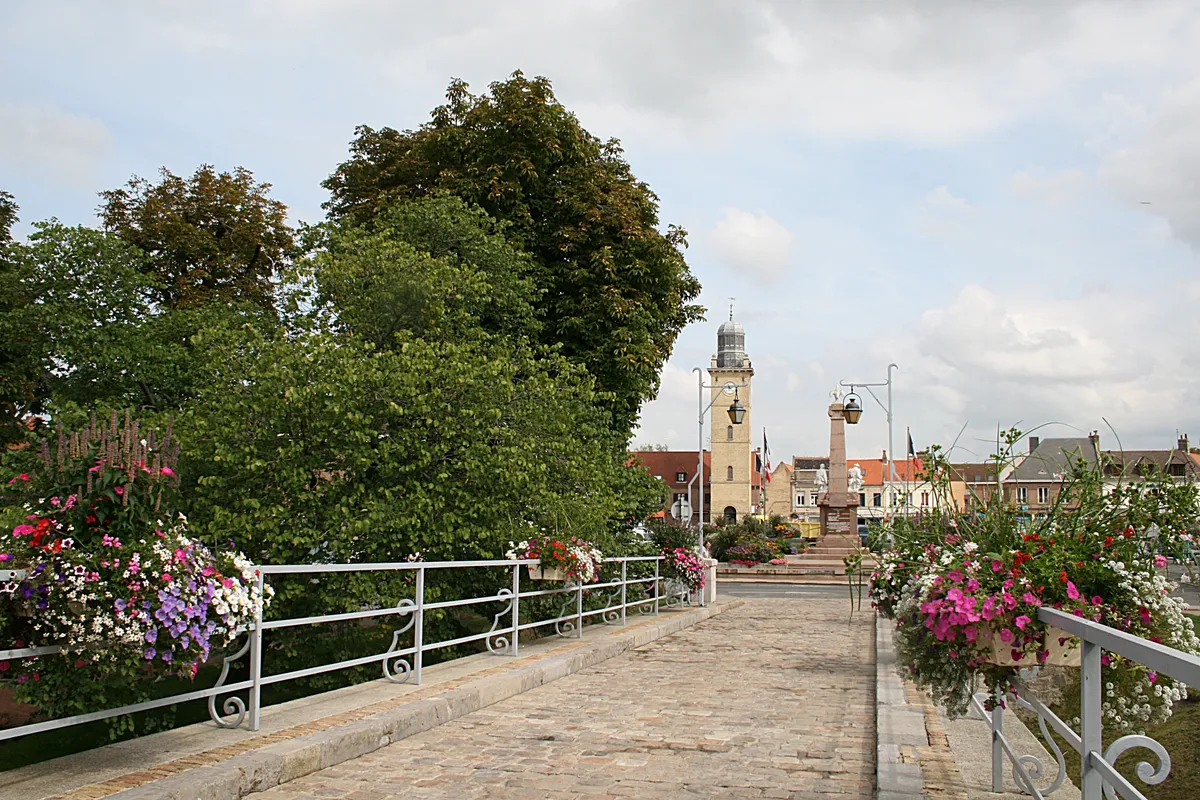
Three of the six reactors at the Gravelines nuclear power plant in northern France were shut down on Monday evening after a massive swarm of jellyfish blocked seawater intake pumps, energy company EDF announced on Tuesday. The plant near Dunkirk, the largest of its kind in Western Europe with reactors generating 900 megawatts each, faced the same issue a year ago. EDF specified that generating units 3 and 4 automatically shut down due to a "massive influx of jellyfish" that entered the facility's filtration system.
Only One Reactor at Full Capacity
With three reactors completely shut down, the output of a fourth was reduced by half, while the fifth reactor is the only one continuing to operate at full capacity. The sixth reactor was already offline for routine maintenance. Earlier this year, four reactors at the same plant had been halted for the same reason, and it took about ten days to reconnect them to the national grid.
EDF stated that the incident poses no danger. "This situation does not affect the safety of the facility, the safety of personnel, or the environment," the company said in a statement.
Production Already Declining Before Incident
This event comes at a time when French nuclear production is already facing challenges. According to calculations by AFP based on data EDF has published since 2015, nuclear power generation in France fell by 15.6 percent on Sunday, even before the jellyfish caused new shutdowns. France's nuclear fleet has reached a record level of unavailability linked to droughts and heatwaves. Two units at the Chooz plant in the Ardennes are currently idle because the level of the Meuse River, which supplies cooling water, is too low for use.
During June and July of this year, EDF had already been forced to halt several reactors due to heatwaves and high cooling water temperatures, further straining the system. Heatwaves and drought are affecting nuclear facilities across Europe, and on August 2, Hungary announced it was shutting down its only nuclear power plant because the Danube's water level was too low—the first time in 44 years that the facility was deliberately taken offline.
A Global Problem with a Growing Trend
Jellyfish blockages of intake pumps are not an isolated French problem. In Sweden in 2013, a nuclear power plant was closed for three days due to a similar incident, while in 1999, Japan recorded a significant drop in energy production for the same reason. Jellyfish regularly appear along the northern French coast seasonally, but reports of large swarms in this area every summer are becoming more frequent, partly due to climate change.
Experts warn that overfishing, plastic pollution, and rising sea temperatures due to climate change are creating increasingly favorable conditions for rapid jellyfish reproduction, which could make such incidents more common in the future.