Russia Stockpiled Missiles for Months
According to available information, Russia has accumulated a significant number of Kalibr and Iskander-K cruise missiles, which are likely to be used on a large scale as part of upcoming combined attacks.
According to available information, Russia has accumulated a significant number of Kalibr and Iskander-K cruise missiles, which are likely to be used on a large scale as part of upcoming combined attacks.
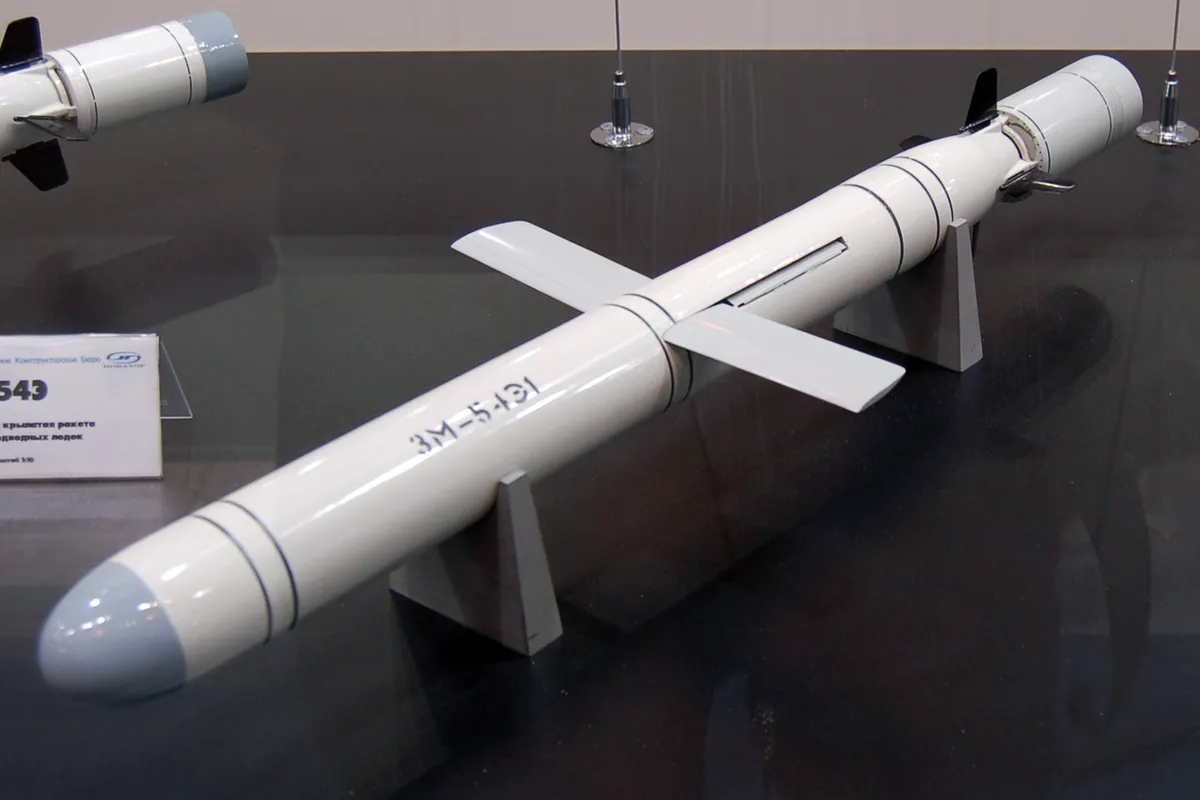
According to information released on Monday by the AMK Mapping source, Russia has accumulated significant stockpiles of Kalibr and Iskander-K cruise missiles over the past several months. These missiles are expected to be used in fairly large numbers as part of upcoming combined missile and drone attacks on Ukraine.
Ukrainian reports suggest that Russia currently has at least 430 Kalibr cruise missiles and 130 Iskander-K missiles. These stockpiles could replace other missile types that have recently been used in significant quantities, such as Kh-101 and Kh-59/69.
In addition to cruise missiles, Russia has also been stockpiling large quantities of Kinzhal hypersonic aeroballistic missiles in recent months. According to the same source, they have at least 120 of these missiles available, which will be used both in large-scale attacks and for individual strikes on Ukrainian air bases, specifically Starokostiantyniv and potentially Ozerne.
As for Iskander-M ballistic missiles, due to extremely high consumption over the past month, available stockpiles are fairly depleted. However, thanks to a very high production rate of 60 to 75 missiles per month, Russia still retains the capability to conduct repeated and relatively frequent attacks. The attacks are partially supplemented by modified S-400 ballistic missiles, although they are easier to shoot down by Patriot systems and have significantly lower accuracy.
Regarding Zircon missiles, Russia has accumulated large stockpiles over the past three years and now has at least 170 of them. Although their consumption rate is several times higher than the production rate, extensive accumulation allows for continued significant use.
Kn-23 ballistic missiles, which Russia likely recently received from North Korea, are also used for attacks. While the accuracy of newer missiles has significantly improved, some older models are still in Russian stockpiles, as evidenced by the recent attack on a residential area near the city of Kryvyi Rih.
Meanwhile, the Russian Ministry of Transport announced on Monday that it is strengthening the protection of ships in the Azov-Black Sea basin and developing alternative cargo routes. This move followed a sharp escalation of attacks at sea by both sides in the war in Ukraine.
In response to what they described as "the tense situation in the Sea of Azov, arising from hostile drone attacks on maritime vessels," they established a working group to find new routes and redirect cargo flows. "Numerous cargo handling companies have already expressed readiness to handle additional cargo volumes and expedite shipping at their terminals, within the limits of their operational capabilities," the ministry said.
Russia, the world's largest wheat exporter, and Ukraine have been attacking each other's agricultural export facilities and commercial ships in the Black Sea area in recent weeks. Russia's main grain lobby group warned on Friday that Ukrainian attacks could halt grain exports via the Black Sea, leading to rising prices and hunger in Africa and the Middle East. A similar warning came from Ukraine's largest agricultural union, UAC, which notes that Russian attacks on ships near Odesa are limiting Ukrainian exports during the crucial harvest period.
Alongside news of weapons stockpiling, independent Russian media outlets Mediazona and BBC, in their joint investigation, confirmed the deaths of 236,066 Russian soldiers in the war in Ukraine. Actual losses are likely higher, and according to some estimates, Russia is losing more soldiers than it can recruit.