Russia received its first shipment of gasoline from India last week, a direct consequence of severe domestic fuel shortages caused by Ukrainian drone attacks on its oil refineries. According to data from market analysis firm Kpler, Indian gasoline arrived at a Russian port on Wednesday, August 5, 2026.
The fuel was produced by India's Nayara Energy refinery, which is partly owned by Russian state oil giant Rosneft. The Russian tanker Cyclone loaded 42,000 metric tons of gasoline from the Vadinar refinery on India's west coast on June 18, after which the cargo was transferred via a chain of tankers off the coast of Egypt, Bloomberg reported, citing ship-tracking data.
Complex Logistics via Egypt
The gasoline's route to Russia was anything but direct. The fuel from the Cyclone was transferred on July 6 to the Oman-flagged tanker Garnet at Egypt's Damietta port on the Mediterranean. That vessel then sailed into Russia in early August. Kpler's data reveals this marks the beginning of a new trade pattern.
Additional shipments are already underway. The tanker Varg loaded nearly 40 million kilograms of gasoline at Vadinar on July 6 and likely completed a ship-to-ship transfer at Damietta in late July. The Cameroon-flagged tanker Photon departed Vadinar on July 13 and transferred its cargo to the Russian tanker Talisman on July 28 and 29. The final destinations of Talisman and another tanker, Beast, have not yet been confirmed.
"The emergence of Indian barrels is particularly significant," said Sumit Ritolia, lead analyst at Kpler. These shipments, he added, "underscore the severity of the current domestic gasoline imbalance and the extent to which lower refinery runs are reshaping traditional Russian product trade flows."
Declining Throughput and Rising Prices
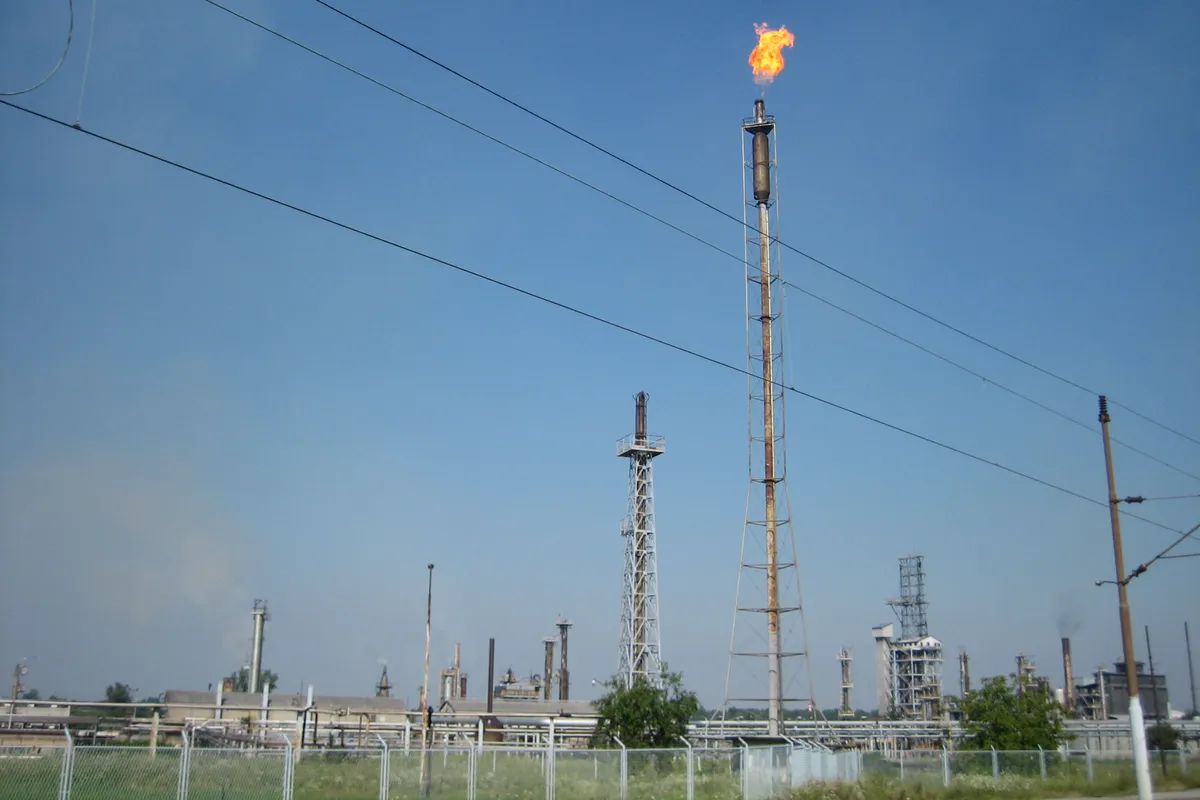
Ukrainian strikes reduced Russia's crude oil refining to 3.6 million barrels per day in July, roughly a third below the seasonal average, according to estimates from analytics firm EA Analytics. Moscow has responded by banning fuel exports until the end of 2026 and introducing rationing measures across the country, including in annexed Crimea.
The average price of gasoline in Russia has risen 17.7 percent since the start of the year, although it fell 1.4 percent over the past week. The national average on August 3 stood at 77.69 rubles per liter ($3.61 per gallon). Russia previously relied on fuel imports from neighboring Belarus and Kazakhstan, but is now forced to seek supply routes thousands of kilometers away.
Global Repercussions and Sanctions
Nayara Energy, with a capacity of 400,000 barrels per day, was sanctioned by the European Union in July 2025, forcing it to rely on the so-called shadow fleet of tankers and transshipment operations. Its key customer, Hindustan Petroleum, has recently begun producing more of its own fuel, pushing Nayara to expand export markets.
All vessels involved in transporting the Indian gasoline, with the exception of the Garnet, are registered in Russia. The EU has sanctioned all of the aforementioned tankers, and the US has additionally targeted the Garnet and Talisman. Kpler concludes in its report that "the new trade pattern suggests that the Damietta STS hub continues to facilitate the movement of Indian gasoline toward Russian import channels."
Russia's Energy Ministry, India's Oil Ministry, and Nayara's communications team did not respond to Bloomberg's requests for comment.