Russian drone burns eight million books
The warehouse of publisher Ranok was hit on August 1, and the director claims the targets were not chosen at random. More than ten million books have been destroyed in recent months.
The warehouse of publisher Ranok was hit on August 1, and the director claims the targets were not chosen at random. More than ten million books have been destroyed in recent months.
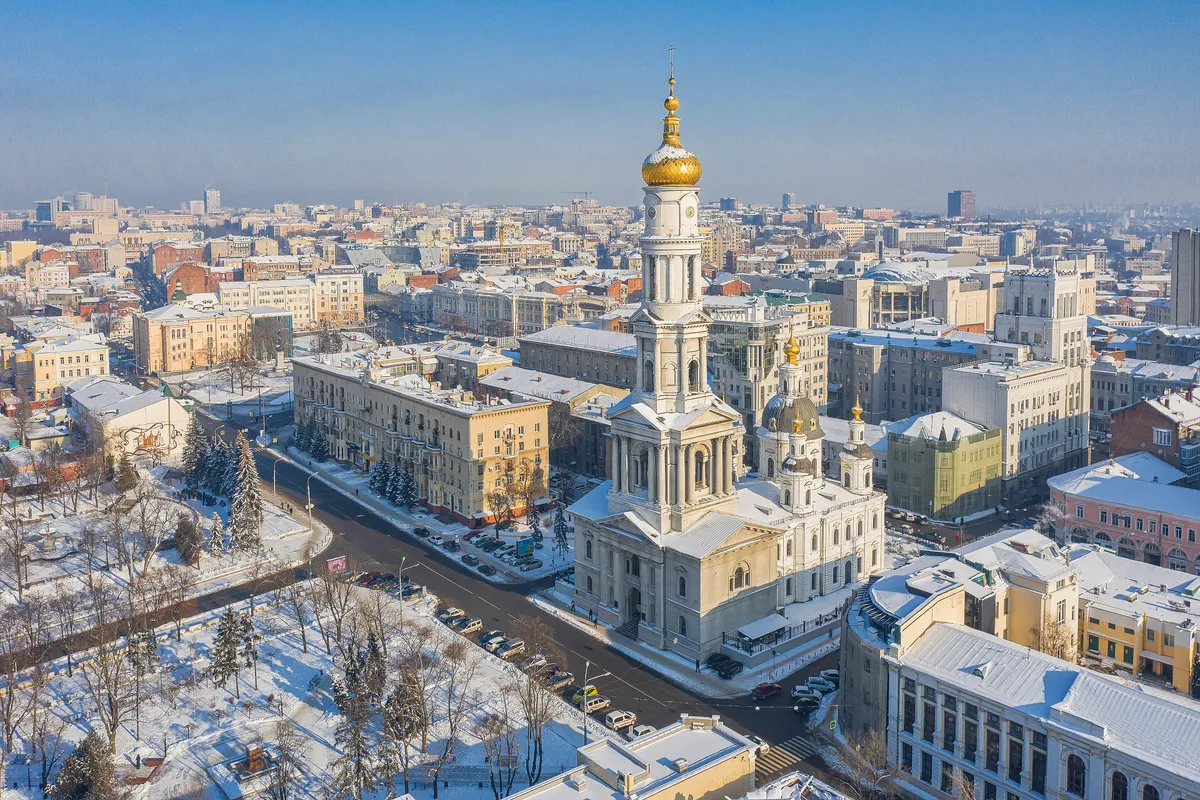
A Russian drone attack on the warehouse of Ranok publishing house in Kharkiv, one of Ukraine's largest publishers, destroyed approximately eight million books. As reported by Narodno.hr, Ukrainian publishers estimate that over ten million books have been destroyed in attacks over the past few months, increasingly impacting education, culture, and the publishing sector in Ukraine.
The warehouse in Kharkiv was hit on August 1, 2026. Viktor Kruhlov, director of Ranok, claims that two explosions occurred at the same location in a short time and believes the warehouse was not hit by chance.
The Russian Ministry of Defense did not respond to Reuters' request for comment on the attack, as reported by Narodno.hr.
The scale of the damage is particularly significant because Ranok prints approximately one-third of the textbooks used in Ukrainian schools. The loss of this capacity directly affects an education system already operating under wartime conditions.
However, this publisher was not the only one affected. In a Russian attack on Kyiv in early July 2026, BookChef lost approximately 800,000 books, which was the majority of their stock. Subsequently, a backup warehouse was also hit, where another 100,000 copies were destroyed.
For publishing, such losses cannot be recovered overnight. The process from preparation to publication of a book can take from six to 18 months, and printing costs in Ukraine have risen by about 40 percent in the last two years.
The war thus simultaneously destroys finished books, makes new editions more expensive, and reduces citizens' purchasing power.
But the millions of burned copies carry a weight that goes beyond business balance sheets. After the start of the Russian invasion of Ukraine, demand for books in the Ukrainian language increased significantly. The book has thus become part of a broader struggle for language, history, and national identity, precisely in a war in which Russian President Vladimir Putin has for years disputed the distinctiveness of the Ukrainian nation.
For Croatia, such a situation is not historically unfamiliar. War does not only affect territory and the economy. It affects schools, books, culture, and the memory of a people.
Therefore, eight million burned books are not just material damage. They are eight million attempts to force a word that was already printed to be recreated from the ashes.