Russian LNG Jumps 14 Percent in June
France Leads in Purchases, Moscow's Revenues Reach 60 Million Euros a Day, Reports German Welt am Sonntag
France Leads in Purchases, Moscow's Revenues Reach 60 Million Euros a Day, Reports German Welt am Sonntag
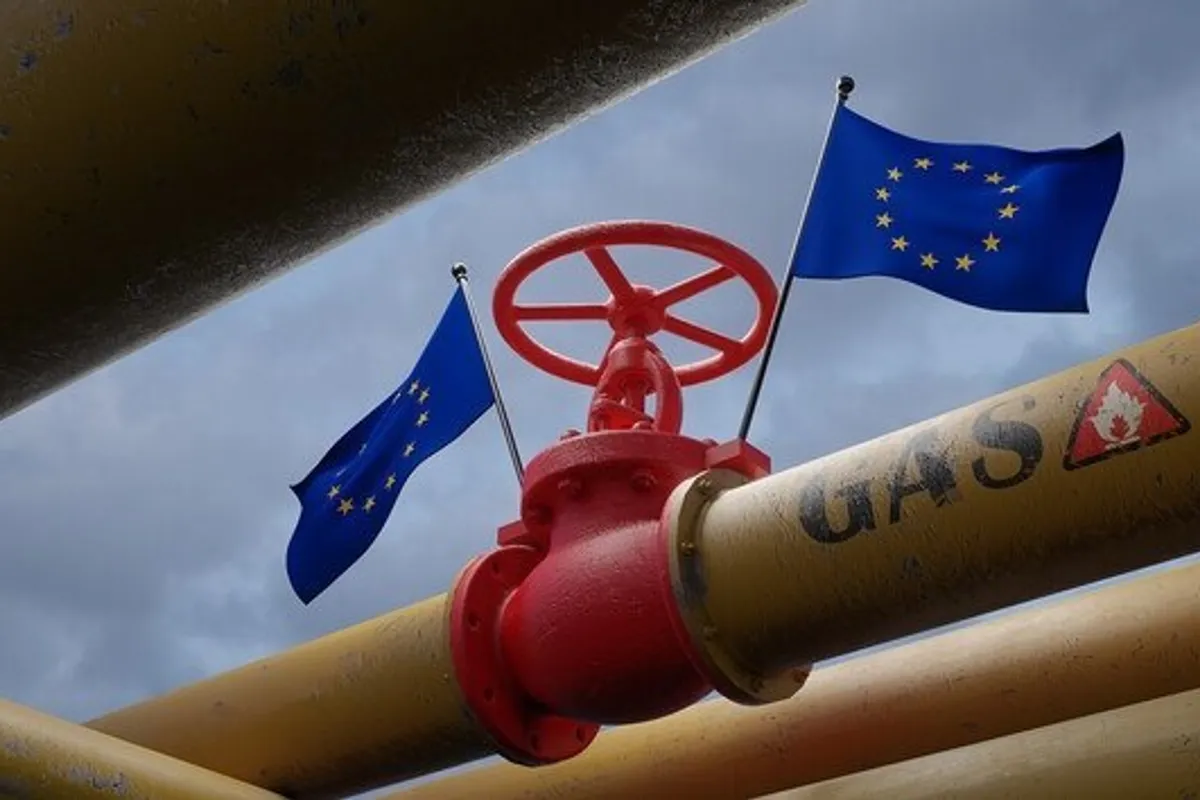
Despite years of promises to completely break energy dependence on Moscow, European Union countries imported 14 percent more Russian liquefied natural gas (LNG) in June than in the same month last year. The data was published by the German media outlet Welt am Sonntag, citing research by the Centre for Research on Energy and Clean Air (CREA), and has been picked up by multiple sources.
Alongside the rise in imports, Russia's daily revenues from energy supplies to Europe have also increased significantly. According to CREA's estimate, this figure has reached around 60 million euros per day. The Bruegel think tank estimates that Russian gas currently accounts for about 13 percent of the EU's total gas imports.
France accounts for the largest share of the increased imports. The port of Montoir, located in Brittany, received four times more Russian LNG in June than in the previous month. This figure particularly illustrates the scale of the discrepancy between political declarations and actual energy demand within individual EU member states.
Overall data for the first half of the year further underscores the trend. EU countries received 136 deliveries of Russian LNG from the Yamal Peninsula, amounting to nearly 10 million tons of gas. According to data reported by the Ukrainian agency UNIAN, Russian gas now covers 13.4 percent of total European imports.
The entire situation unfolds in the shadow of the EU's official plan to completely halt Russian gas imports by 2027. This increase in imports, particularly in France, casts doubt on the feasibility of that goal. Although these are commercial decisions by companies rather than direct government orders, the trend runs directly counter to the Union's publicly proclaimed energy policy aimed at reducing funding for the Russian budget amid the war in Ukraine.
For Croatia, as an EU member relying on the Krk LNG terminal for its own energy security and diversification, these figures provide important context. While there is no direct indication that increased imports into western ports affect supply in Croatia, the trend shows how complex the process of weaning off Russian energy is and how far it is from completion across the Union.