Serbia's Pink Jersey and Social Divisions
The Pink RS football jersey, unveiled ahead of the 2018 World Cup, sparked heated reactions and became a symbol of the struggle between traditionalism and modernization in Serbia.
The Pink RS football jersey, unveiled ahead of the 2018 World Cup, sparked heated reactions and became a symbol of the struggle between traditionalism and modernization in Serbia.
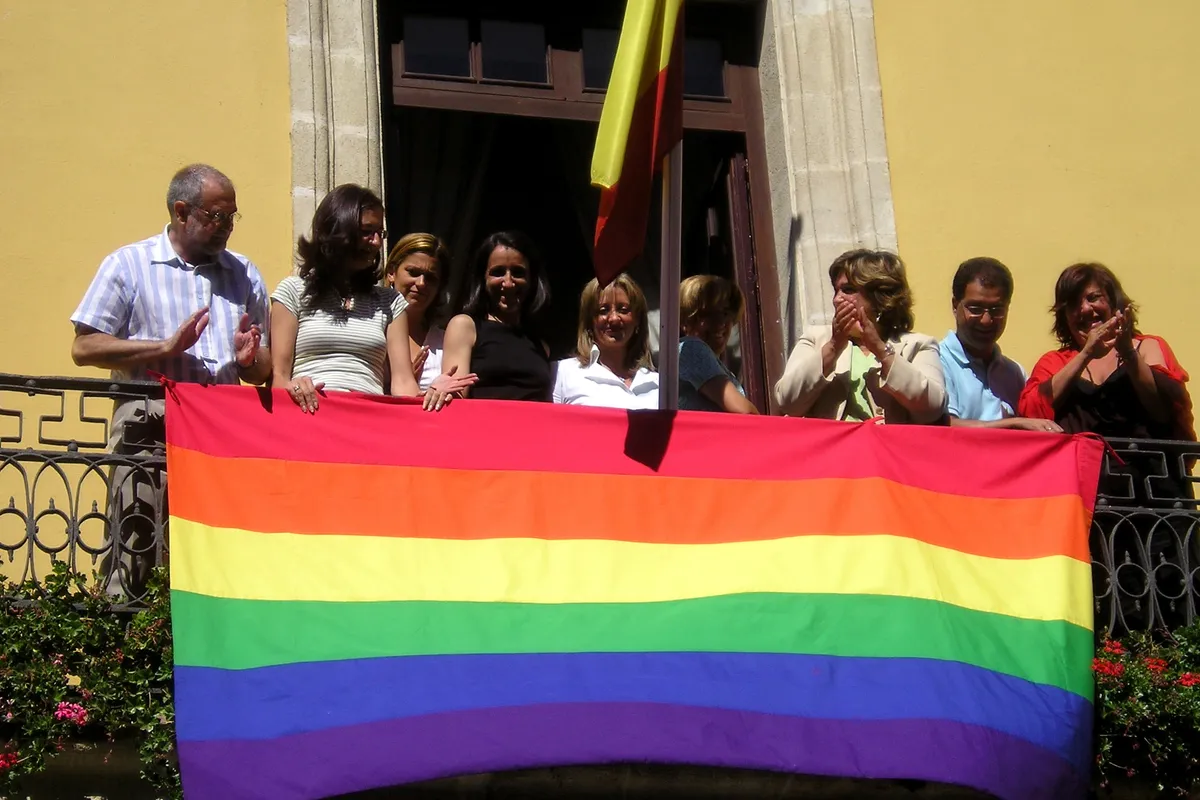
The decision by the Football Association of Serbia for the national team to play in pink jerseys at the 2018 World Cup in Russia caused an upheaval that far exceeded the realm of sports. The jersey, officially presented in March of that year and produced by Puma, instantly became one of the hottest topics on social media and in political circles, revealing deep divisions within Serbian society.
Criticism came from various quarters. A segment of fans and conservative politicians condemned the choice of color, traditionally associated with the LGBTQ+ community, calling it inappropriate for a national team. Former FSS president Slaviša Kokeza and then-head coach Mladen Krstajić found themselves under pressure to explain the decision. The association responded that pink was chosen for its "special energy" and that it carried no political connotation.
Ironically, it was precisely this controversy that turned the Pink RS into a commercial phenomenon. Despite, or perhaps precisely because of, the fierce debates, the jersey became a bestseller. Fans bought it in droves, and a sort of counter-movement supporting the modern approach emerged in the stands and on the streets. Although Serbia was eliminated in the group stage of that tournament, its pink jersey remained memorable as one of the most striking visual moments of the competition.
The Pink RS quickly outgrew its basic function. LGBTQ+ rights activists in Serbia recognized it as an unexpected symbol in the fight for equality, while critics used it as evidence of an alleged departure from traditional values. This dichotomy perfectly illustrated the broader tensions between modernization and conservatism in the country. In Croatia, the phenomenon was perceived through the lens of regional relations, often with a touch of irony, and became a viral topic on social media.
Years later, the Pink RS remains a powerful example of how a sports item can become a mirror of the state of democracy and human rights in a society. Its story is not just about football, but above all about identity, divisions, and the enduring struggle between the old and the new.