US and Iran Agree to Extend Ceasefire Ahead of August 17 Deadline
Sources close to Pakistani mediation confirm that Washington and Tehran have agreed to continue the 60-day truce, but the duration of the extension has yet to be determined.
Sources close to Pakistani mediation confirm that Washington and Tehran have agreed to continue the 60-day truce, but the duration of the extension has yet to be determined.
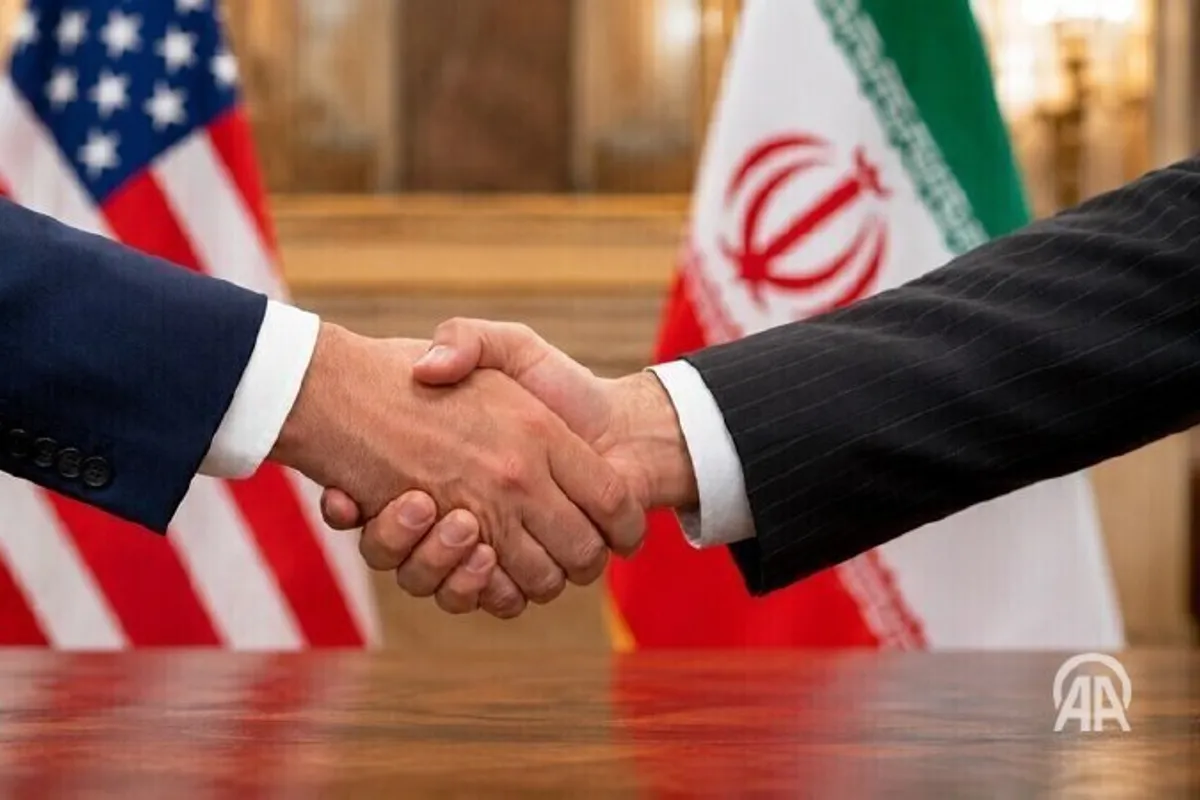
The United States and Iran have reached a preliminary agreement to extend the temporary 60-day ceasefire that expires on August 17, 2026, according to Pakistani government sources close to the mediation process. Both sides have formally communicated their approval to international mediators, but active contacts are ongoing to determine the exact duration of the extended truce.
Sources told Turkey's state-run Anadolu Agency that neither Washington nor Tehran has yet issued formal public statements about the extension. The agreement is taking place within the framework of the Islamabad Memorandum of Understanding, whose current expiration date is set for August 17.
Recall that in April 2026, the US and Iran, with Pakistan's mediation, agreed to a ceasefire, and on June 17 of the same year, the key Islamabad Agreement was reached. It established a 60-day negotiation period aimed at achieving a final, lasting solution to end the conflict.
However, negotiations quickly stalled over issues of security guarantees and freedom of navigation through the Strait of Hormuz, one of the world's most critical strategic routes for global energy supplies and trade. The stalemate then escalated into a dramatic escalation of hostilities.
Between July 8 and 24, 2026, the US and Iran exchanged military strikes. Washington conducted attacks on targets inside Iran, while Tehran retaliated by striking what it described as American military facilities and equipment in several Arab countries, including Jordan, Bahrain, and Kuwait.
The new agreement to extend the ceasefire represents an attempt to return to the diplomatic process and avoid further escalation in the Middle East, but the key contentious issues that led to the stalemate remain unresolved.