North Korea Prepares Up to 50,000 Troops for War in Ukraine
Pyongyang could significantly expand its role in the conflict, freeing up Russian forces for frontline combat while gaining valuable combat experience for North Korea.
Pyongyang could significantly expand its role in the conflict, freeing up Russian forces for frontline combat while gaining valuable combat experience for North Korea.
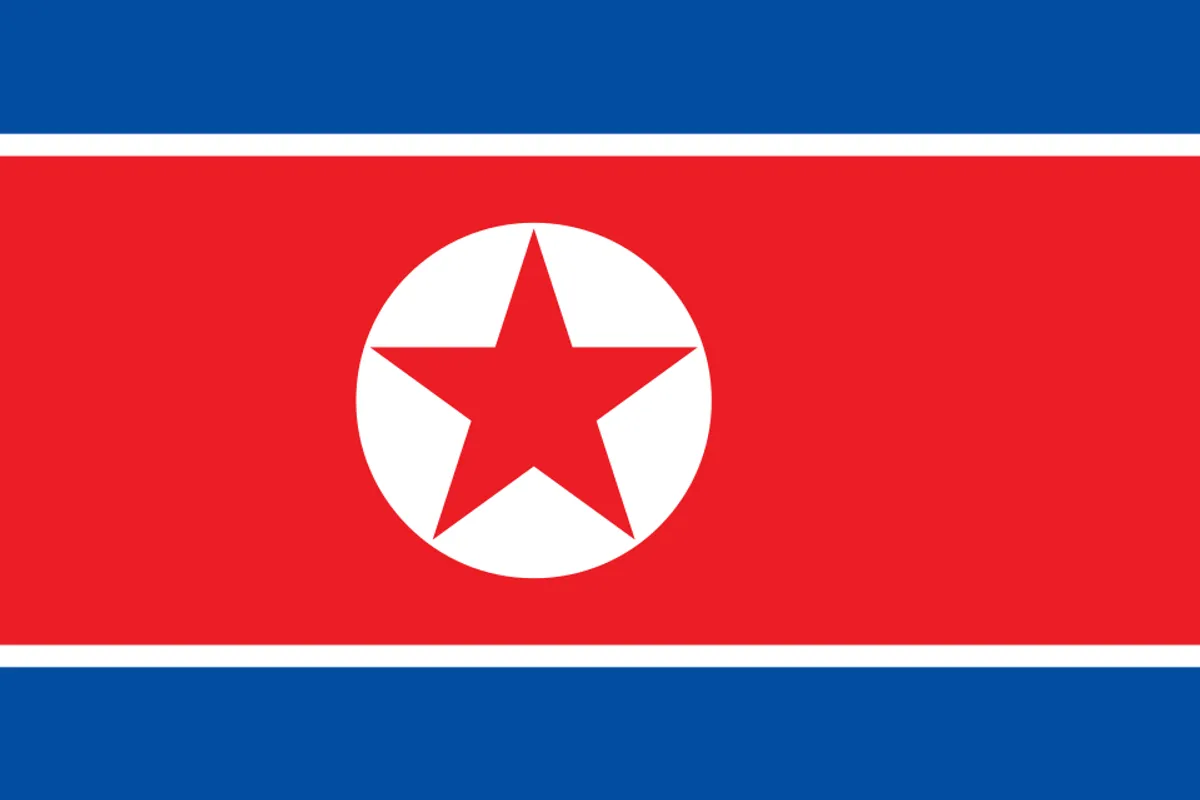
Ukrainian President Volodymyr Zelenskyy has warned that North Korea is preparing to send a massive number of troops to Russia, with up to 50,000 soldiers potentially deployed on Russian territory, according to DW News. If realized, this figure would represent a dramatic escalation from North Korea's previous involvement in the war.
Late last month, Zelenskyy stated that Russia wanted to bring in an additional 30,000 North Korean troops, and over the weekend he said Pyongyang had decided to deploy between 30,000 and 50,000 soldiers on Russian soil. He did not specify whether this number includes troops already engaged in the conflict.
South Korean lawmaker Yu Yong-won, a former military journalist who visited Ukraine in 2025 and again in February this year, told DW News: "I'm concerned because this seems to be becoming a reality." He added that 30,000 to 50,000 troops would be significantly more than the roughly 20,000 soldiers and support personnel involved in the initial deployment.
"Regardless of whether such a large additional deployment actually happens, the continued expansion of military cooperation between Pyongyang and Moscow has drawn greater attention from the South Korean government and military," Yu said.
Han Ki-bum, a former deputy director of South Korea's National Intelligence Service (NIS), told DW News that "deploying 50,000 troops is militarily feasible" because North Korea has enough manpower without seriously weakening its own defenses. According to him, North Korean infantry could guard Russian rear areas, allowing Russia to send more of its own soldiers to the front lines in Ukraine.
Han also urged caution: "Ukraine initially spoke of 30,000 additional personnel, then raised the estimate to 50,000 without publishing detailed evidence of the planned deployment."
Ahn Chan-il, head of the World Institute for North Korea Studies and a former North Korean soldier, believes Pyongyang would send "elite special forces." "North Korean special forces are particularly skilled in reconnaissance, surprise attacks, and ambushes, and they have demonstrated their combat capabilities on the Kursk front, making them attractive to the Russian military," Ahn told DW News.
If 30,000 troops were deployed, the contingent would likely include not only special forces but also infantry, engineers, construction workers, and female medical personnel. Ahn added that North Korean women have recently been seen heading to Russia, but it remains unclear whether they are going for reconstruction or as medical staff.
North Korea also benefits from the cooperation: its troops gain experience in 21st-century warfare and test weapons in real combat conditions, and deeper cooperation could increase North Korea's access to Russian expertise in missile, naval, and air defense technology, according to Han Ki-bum.
However, Ahn Chan-il warns of a double-edged risk. "Young soldiers are exposed to life outside one of the world's most isolated societies. More importantly, a sudden surge in casualties could make it harder to portray the war as a success," he said. "Tens of thousands of dead and wounded could leave grieving families and disabled veterans, turning North Korea's war experience into a domestic burden."
South Korean intelligence estimates suggest around 6,000 North Korean soldiers have been killed or wounded, with perhaps 2,000 killed. It is believed that 1,000 to 2,000 combat troops and engineers have returned home, where veterans and families of the fallen have reportedly received apartments and other preferential treatment.
Russia and North Korea signed a defense pact in the summer of 2024, and North Korea began sending combat troops to Russia a few months later. Analysts estimate that 14,000 to 15,000 personnel have been deployed, mainly in the Kursk region, plus an additional 6,000 sappers and military construction workers. On Thursday, Japan's Kyodo News cited Ukrainian military intelligence confirming an upcoming increase in North Korean troops, with Ukrainian sources saying up to 50,000 soldiers could be deployed by the end of November, taking up duties in the Kursk, Bryansk, and Belgorod regions.