Staff at the emergency medicine branch in Skradin are under immense pressure this summer. At the peak of the tourist season, they report up to 40% more interventions compared to the winter months, and the vast territory they cover, coupled with a chronic shortage of staff, further complicates the situation. Fortunately, medical technicians with specialized knowledge play a crucial role in keeping the system running.
From Krka to the Highway: A Surge of Calls
The Skradin emergency team doesn't just look after the local population. Their area of responsibility stretches from Krka National Park, through the hinterland all the way to Kistanje, and includes a section of the highway. Along the coast, the service is highly seasonal, and the pressure grows with every new guest.
"In the summer, there are up to 30 to 40 percent more interventions and outpatient visits per day than in the winter period," Luka Muštra, a medical technician from the Šibenik-Knin County Institute of Emergency Medicine, told HTV. When an emergency call comes in, teams head out while the caller is still on the line with the dispatcher.
Technicians with Doctor-Level Authority in Critical Moments
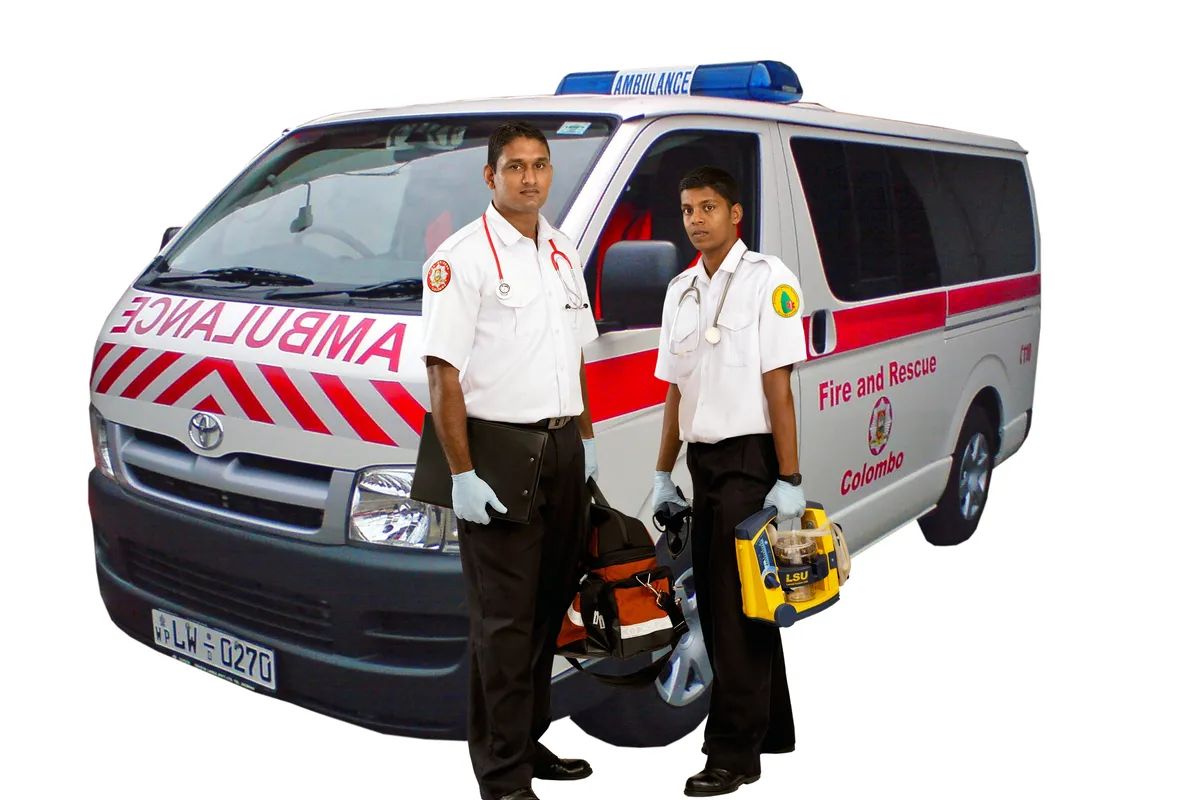
In the race against time, medical technicians who have undergone intensive one-year training are crucial. They have been granted the authority to independently administer life-saving medications in emergency situations, following strictly defined protocols. "We have the authority, according to certain protocols, to administer them in emergencies without a doctor," Muštra explained.
However, a problem arises when citizens call emergency services for conditions that are not life-threatening. "Our hands are tied then because we are only authorized to treat life-threatening conditions without a doctor," he added. Muštra also points out that patients are often unaware that, alongside the doctor, an experienced nurse or technician with top-tier training almost always arrives.
Chronic Staff Shortage and Hope for Specializations
In addition to the increased workload, the Skradin branch, like the entire system, struggles with a lack of personnel. "We struggle every year with a shortage of staff, and this greatly affects the organization of the service, its functioning, and the quality of overall care," said Martin Ercegovac, chief technician at the Šibenik-Knin County Institute of Emergency Medicine.
This is precisely why specialized technicians are becoming the backbone of stability. Four years ago, the Croatian Institute of Emergency Medicine (HZHM) was the first health institution to introduce specializations in nursing. So far, 393 technicians across the entire network have completed the training program.
Maja Grba-Bujević, director of the Croatian Institute of Emergency Medicine, believes that other institutions will recognize the need for such staff. "We believe that county institutes will recognize the need for this, that they will approach the Ministry of Health to request more such technicians in the field," she stated.