Spain Denies Health System Collapse in Ceuta
Health Minister Mónica García says the health system in the Spanish enclave is 'strained' but not 'on the verge of collapse.' Meanwhile, opposition party Vox demands Morocco pay for the crisis.
Health Minister Mónica García says the health system in the Spanish enclave is 'strained' but not 'on the verge of collapse.' Meanwhile, opposition party Vox demands Morocco pay for the crisis.
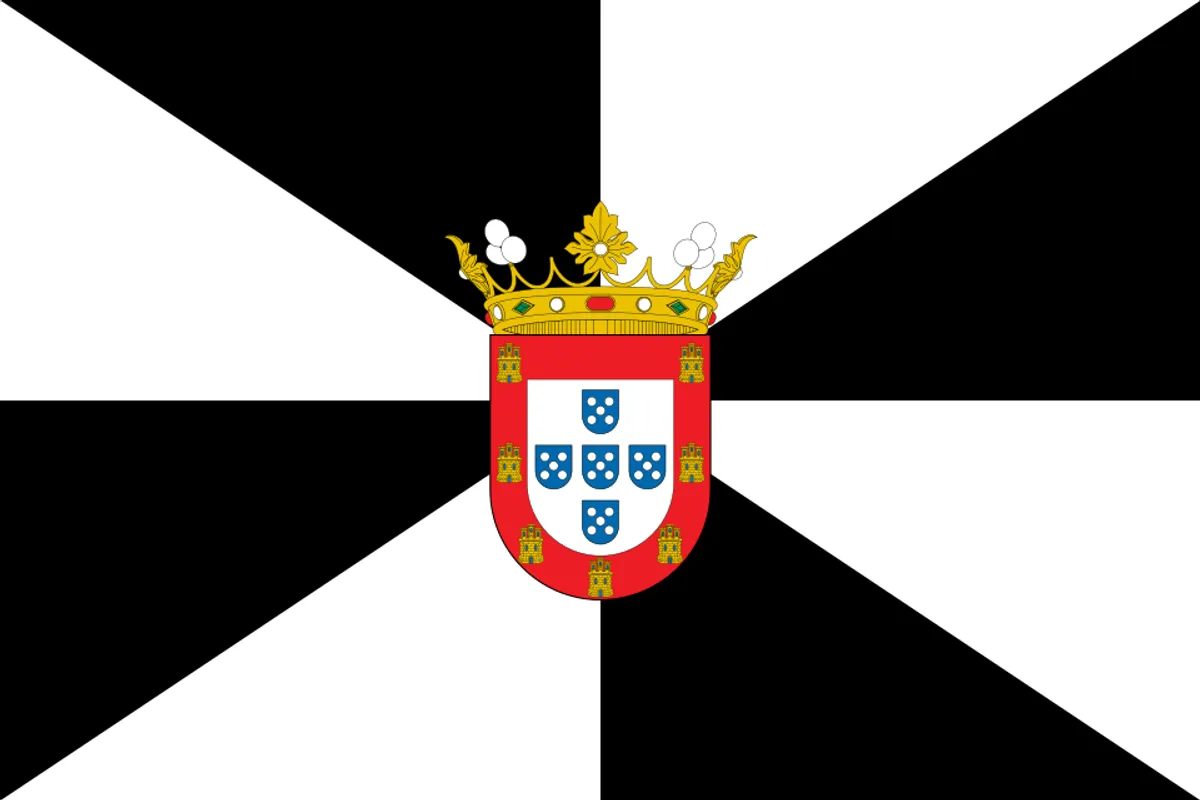
Spain's Health Minister Mónica García stated on Sunday, August 16, 2026, that the health system in Ceuta is "strained" but not "collapsing." She made the remarks after a meeting with the president of the autonomous city of Ceuta and leader of the People's Party (PP), Juan Jesús Vivas, as reported by El País.
García reiterated the need to secure "spaces" in the city to house and care for migrants who crossed the border from Morocco at the end of July. According to her, these spaces are a priority to prevent irregular migrants from falling ill. She dismissed linking migrants to diseases, calling such an association "unfair and xenophobic."
The crisis escalated on July 30 and 31, 2026, when between 72,000 and 80,000 people crossed from Morocco into Ceuta. ZeroHedge, however, reports over 60,000 military conscripts in the first wave. According to ZeroHedge estimates, between 8,000 and 10,000 migrants remain in Ceuta, while Spanish authorities estimate around 5,000.
The city has about 80,000 permanent residents and covers an area of 19 square kilometers. A specialized emergency unit with 30 beds has been opened at the hospital in Ceuta. Hospital sources told Remix News that "the admission is a response to the impossibility of discharging patients and sending them back to the streets."
Julián Domínguez, president of the Association for the Defense of Public Health in Ceuta, warned of the dire conditions: "The lack of sanitary facilities and isolation zones makes monitoring and controlling infectious conditions particularly difficult." Doctors are reporting an increase in scabies, tuberculosis, and fevers of unknown origin. "We still see tuberculosis patients from time to time, but we really don't know if there will be many more with the massive entry of immigrants into Ceuta," an emergency doctor told En boca de todos.
On August 9, a protest was held in Ceuta under the slogan "Enough is enough. Ceuta will not give in," attended by over 10,000 people. The protest was organized by religious communities and neighborhood associations. Local residents complain about occupied beaches, including an improvised camp on Trampolín beach. "We can't take our children to the beach; we can't go. They're occupied, full of shacks, people eating there, throwing food, lots of clothes, feces, urine," they told Remix News.
The anti-immigration party Vox, led by Santiago Abascal, has requested in Congress a "rigorous audit of all costs arising from the crisis and then demand reimbursement from Morocco." The party insists on diplomatic and economic pressure so that Rabat compensates for all costs, "preventing the economic consequences of the massive and illegal entry from falling on Spanish taxpayers."
The official medical association of Ceuta has described the situation as a "health catastrophe." Vox also calls for incentives to fill hard-to-staff health positions in Ceuta and Melilla, and for the National Institute of Health Management (INGESA) to ensure operational capacity.
Since August 15, a second attempt to breach the border has been underway. Moroccan authorities have deployed heavy security forces around the town of Fnideq, and hundreds of migrants, mostly from sub-Saharan Africa, have gathered nearby, according to France 24. RFI reports arrests of migrants in northern Morocco. According to data cited by ZeroHedge, around 5,800 migrants received medical assistance in Ceuta over 15 days.
Minister García and President Vivas met on Sunday, and Vivas has so far claimed he lacks resources to house foreigners and demands their immediate return. ZeroHedge also warns of the possibility of "hybrid warfare" through the deliberate use of migrant flows to pressure the government in Madrid.