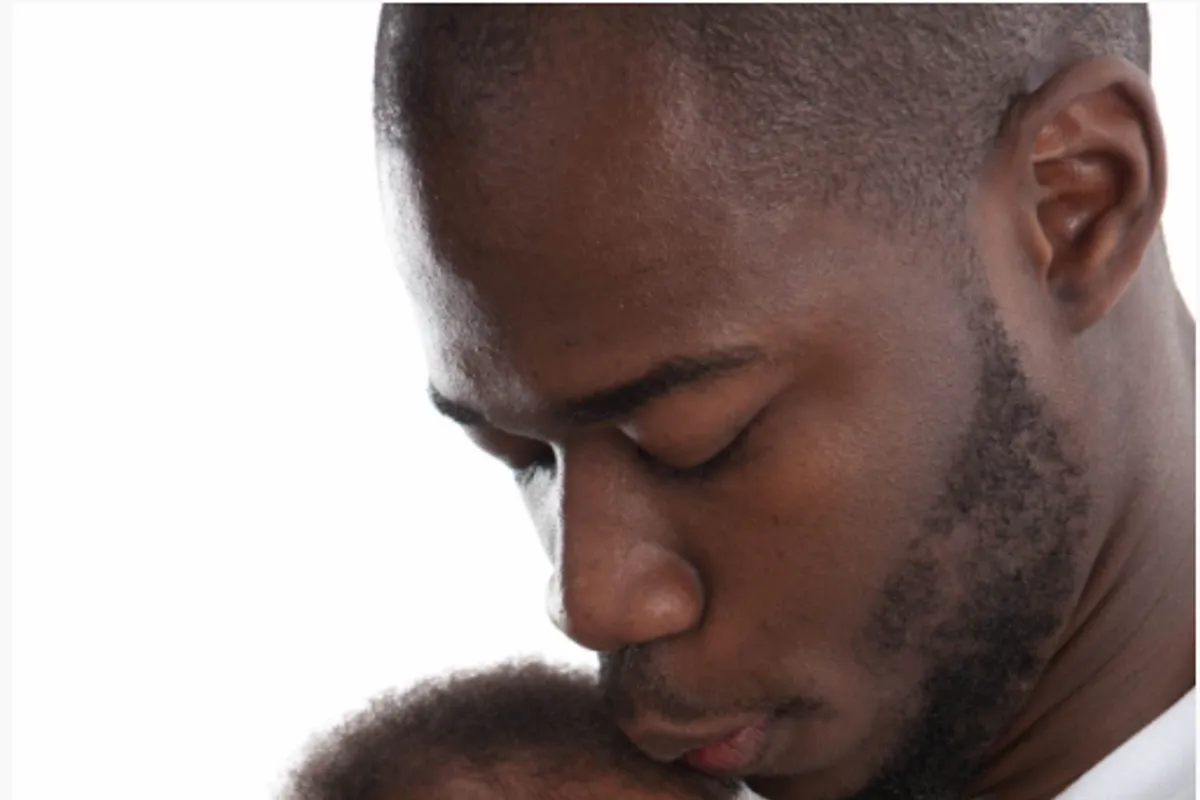
Parenting is a constant challenge that demands strength and dedication, but when your own needs are consistently neglected and stress becomes a constant companion, complete exhaustion-what experts call parental burnout-can set in. This is a state where a parent feels they no longer have the capacity to go on, as reported by Healthline and written by Index.hr.
What is parental burnout?
Neurologist and life coach Dr. Puja Aggarwal describes this phenomenon as "physical, mental, and emotional exhaustion that a person feels due to chronic stress related to parenting."
She adds that this condition can manifest as emotional distancing from the child or increased irritability. According to her, some parents become forgetful or experience heightened anxiety and depression, and many begin to question whether they are even up to the role. "Feelings of inadequacy, confusion, and isolation often arise," Aggarwal explains to Healthline.
Licensed marriage and family therapist Michaela Decker explains that burnout occurs when an individual can no longer respond to the demands placed on them. "Signs of burnout include physical fatigue, emotional exhaustion, lack of motivation, feelings of hopelessness, and withdrawal from other people and activities we usually enjoy," Decker points out.
What are the warning signs?
Symptoms vary from person to person, but among the most common are chronic fatigue, feelings of helplessness, self-doubt, headaches, and neck and muscle pain. There can also be loss of motivation, changes in appetite or sleep patterns, feelings of detachment, and irritability. In an attempt to cope, some people may turn to alcohol or drugs.
Why is burnout becoming more common?
Although parental burnout is not a new phenomenon, the level of stress that today's parents are exposed to has increased further. "The number of reported cases of parental burnout surged during the pandemic," says Dr. Aggarwal, adding: "Burnout existed before, but the pandemic significantly worsened it for several reasons. Parents were losing jobs, homes, and income, which created additional stress."
Psychologist Martha Horta-Granados emphasizes that those who lack developed coping strategies are particularly vulnerable. "People with weaker coping mechanisms, low frustration tolerance, or less resilience are more prone to burnout," she notes.
How to cope with burnout?
When the first signs of exhaustion appear, it's important to seek support and acknowledge to yourself that the situation is difficult. Open conversation with a partner or a close person, as well as a fairer distribution of responsibilities, can bring relief. Short breaks, quality sleep, and physical activity help reduce stress and restore energy.
Experts recommend setting aside a few minutes each day just for yourself. If the feeling of being overwhelmed does not subside, it's helpful to involve extended family, support groups, or seek professional help from a therapist. Most importantly, don't strive for perfection; instead, be patient with yourself and take care of your own health. Burnout is not a permanent state, and small changes in daily habits can help restore balance.