Stjepan Radić: A Quiz That Measures How Well You Really Know Him
From his enlightenment work to his tragic death in the Belgrade Assembly, how familiar are you with the key moments of this Croatian great man's political journey?
From his enlightenment work to his tragic death in the Belgrade Assembly, how familiar are you with the key moments of this Croatian great man's political journey?

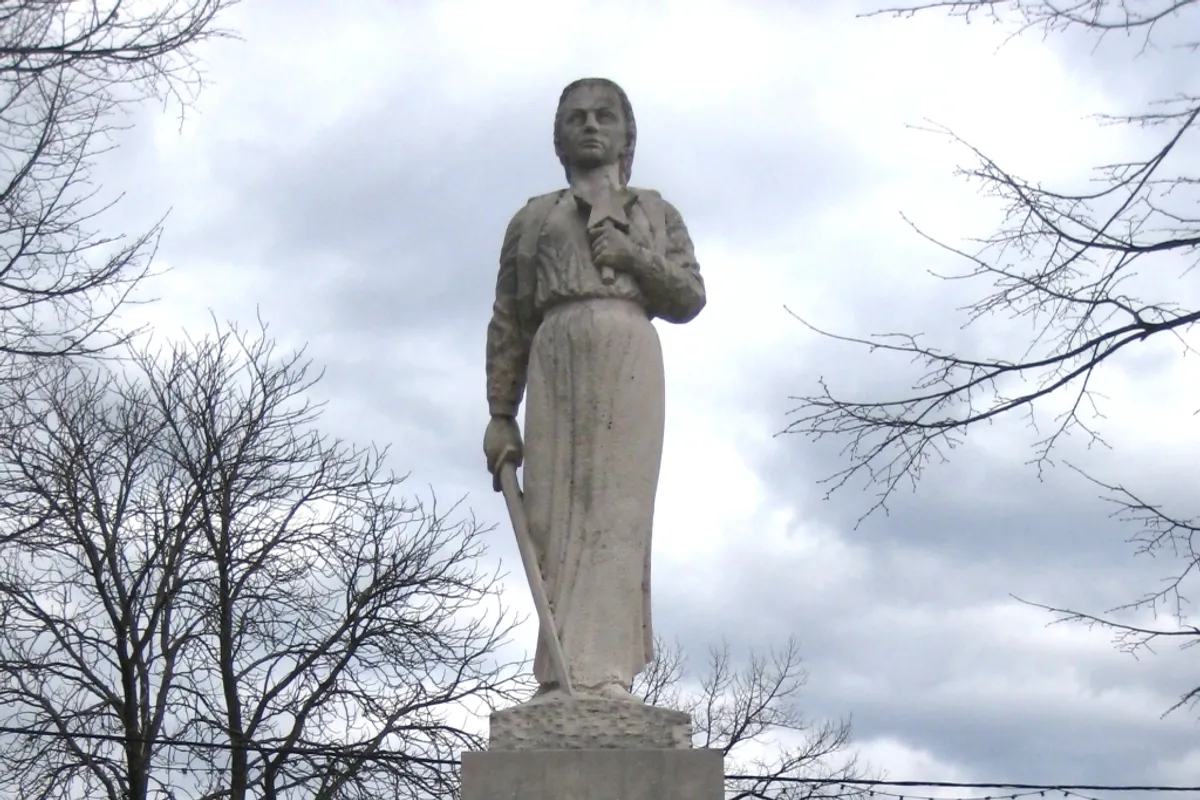
Mortally wounded on June 20, 1928, in the Belgrade National Assembly by shots from radical deputy Puniša Račić-that moment of violence turned Stjepan Radić into a martyr and permanently inscribed him among Croatia's greats. Net.hr has prepared a quiz that tests precisely that knowledge about his turbulent life and lasting legacy, which far exceeds the political frameworks of the first half of the 20th century. He was a politician, enlightener, publicist, and national official whose work permanently shaped the Croatian political scene.
Although today he is primarily remembered as the leader of the Croatian Peasant Party, Radić's path began far from political podiums-in a poor peasant family whose hunger for knowledge he satisfied by studying in Prague and Paris. Together with his brother Antun Radić, he launched extensive enlightenment work with a clear goal: to educate and economically empower the Croatian village. Through numerous writings and newspapers, he tirelessly worked on awakening the national and political consciousness of the peasantry, which he considered the foundation of the Croatian people.
The fascination with Radić's politics lies in his ability to translate complex ideas into a language understandable to the common man-the catchphrase "Faith in God and peasant unity" perfectly summed up a program based on traditional values and unity. Unlike many contemporaries, he built his political strength "from below," visiting villages and talking to people. His advocacy for a republican system and federalism was avant-garde for its time, and the combination of charisma and intellectual sharpness turned the Croatian Peasant Party into a mass movement.
The perception of Radić as an exclusively peace-loving figure is simplistic-his political struggle was filled with risks and radical turns. From openly opposing entry into the Kingdom of Serbs, Croats, and Slovenes and fighting against Austria-Hungary, to later recognizing the monarchy and entering the government, he was repeatedly persecuted and imprisoned. The peak of political tensions occurred precisely on that June day in 1928, when he was mortally wounded in the Belgrade National Assembly by radical deputy Puniša Račić. That brutal act of the then regime in the Kingdom of Yugoslavia turned Radić into a martyr.
Knowing these details is crucial for understanding not only Radić's fate but also the broader context of Croatia's struggle for rights during that period.