What You Can and Cannot Eat When Your Gallbladder Is Acting Up
Adjusting your menu can significantly ease pain and discomfort, but it's important to know which foods are allies and which are enemies of a sensitive digestive system.
Adjusting your menu can significantly ease pain and discomfort, but it's important to know which foods are allies and which are enemies of a sensitive digestive system.
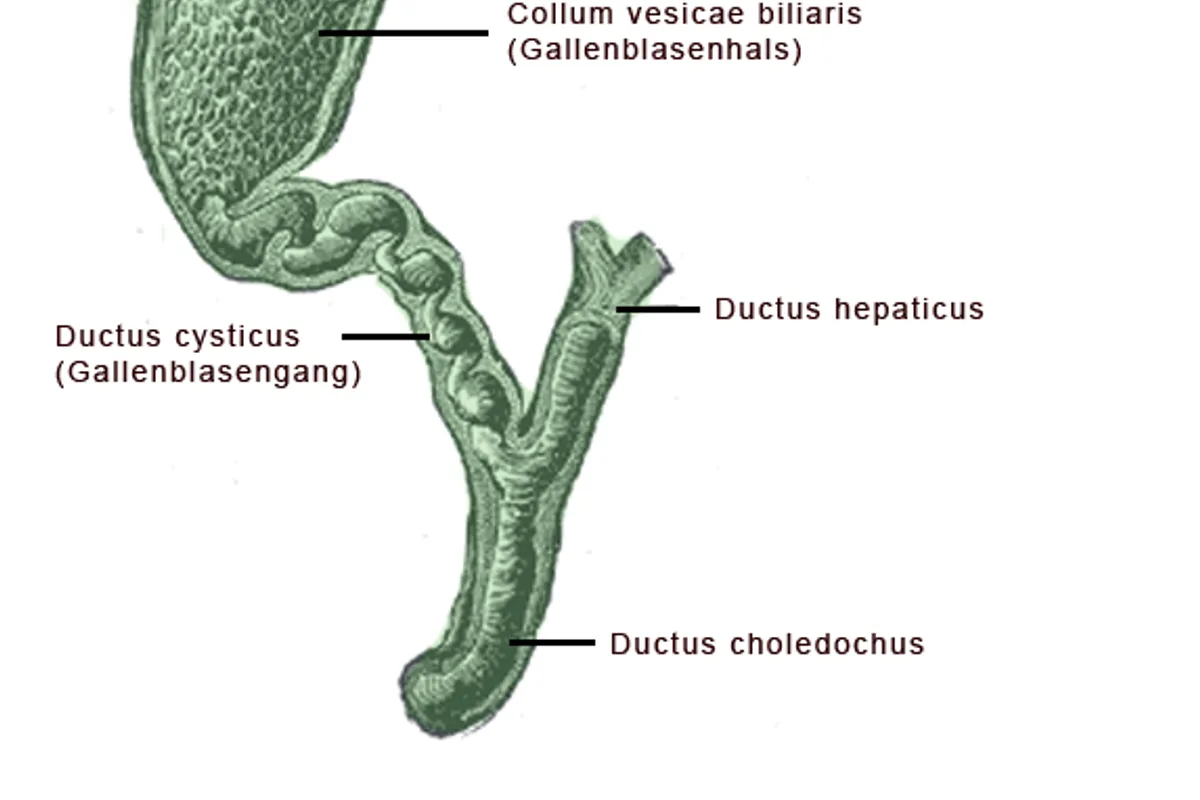
When gallbladder issues arise, every meal can become a source of discomfort. This small organ, located beneath the liver, serves as a reservoir for bile, which is essential for breaking down fats. After a heavy or fatty meal, the gallbladder has to work harder, which can easily trigger pain, nausea, or bloating in people with gallstones or other problems. During such periods, diet plays a major role, and choosing the right foods can help keep symptoms under control.
The goal is not to permanently eliminate fats or drastically reduce your menu, but rather to reduce their quantity and choose those that are easier on digestion. Experts advise replacing fried foods, fatty meats, and heavy sauces with boiled, baked, or stewed dishes. Instead of one large meal, several smaller meals spread throughout the day often suit digestion better. There is no one-size-fits-all menu, so it's important to monitor your body's reactions and tailor your diet to your specific issues.
When symptoms are pronounced, there are clear guidelines about foods that can further burden digestion and cause pain. Here's what's commonly on the forbidden list:
Meat, Fish, and Eggs: Skip pork, beef, game, and fattier poultry. Also avoid meat prepared by frying, breading, or with lots of fat. Among fish, avoid fattier options like sardines and caviar. Eggs are also traditionally listed as a food to avoid while symptoms persist.
Fruits and Vegetables: Although healthy, not all fruits and vegetables will suit everyone. On the avoid list are quinces, melons, watermelons, walnuts, hazelnuts, and almonds. Among vegetables, be cautious with peppers, beans, cabbage, baked potatoes, cucumbers, kale, and beets.
Grains and Baked Goods: It's better to choose simpler options. Avoid yeast bread and dough, as well as any dough that contains eggs and butter. Particularly heavy and fatty pastries can be problematic when digestion is already sensitive.
Sauces, Spices, and Fats: When it comes to spices, less is often more. Avoid cinnamon, paprika, and cloves, as well as all strong and fatty sauces. Among fats, avoid lard, margarine, and tallow.
Despite the restrictions, a diet for gallbladder issues doesn't have to be bland. There are plenty of foods you can include in your menu, and the key is choosing those with less fat and preparing them lightly.
Meat and Dairy: Lean options like veal, rabbit, white poultry meat, and boiled fish are most commonly chosen. For dairy, good choices are skim milk and fresh cottage cheese, which are easier to digest.
Fruits and Vegetables: On your plate, you can include potatoes prepared without fat, spinach, cauliflower, zucchini, tomatoes, and pumpkin. A fresh salad can also be a good option, but choose vegetables that are low in cellulose and that don't usually cause bloating or other issues for you.
Grains and Sweets: Neither bread nor pasta is completely off-limits. Allowed are white bread, rusks, pancakes, cooked pasta, and potato pasta. You can also include cornmeal and oatmeal. For dessert, good choices are semolina or rice soufflé, marmalade, jam, honey, and cooked fruit without the peel.
Beverages: Morning coffee doesn't necessarily have to disappear from your routine, but it's allowed in smaller amounts. You can also drink tea, lemonade, fruit juices, and skim milk.
It's important to note that an adjusted diet can help control symptoms, but it won't remove existing gallstones. If you experience severe or recurring pain, vomiting, or other pronounced symptoms, seek medical help. Changing your menu is a useful tool for alleviating discomfort, but it doesn't replace professional medical care.