The summer months traditionally bring an increase in the number of patients seeking medical help for digestive issues. Diarrhea, vomiting, fever, cramps, and severe exhaustion are symptoms that drive people to seek medical attention, but behind nearly identical clinical pictures, completely different causes can lurk. Infectious disease specialist Alma Sejtarija Memišević, appearing on N1's show Novi dan, explained how to distinguish viral and bacterial intestinal infections from food poisoning.
"It's absolutely seasonal. During this time of year, we always see an increased number of patients with digestive issues," said the specialist, confirming that summer temperatures are a key risk factor.
Food Poisoning or Infection?
One of the most noticeable differences lies in the speed of onset and duration of symptoms. In poisoning caused by pre-formed bacterial toxins, symptoms can appear very quickly, and vomiting is often the dominant symptom. Memišević, Sejtarija, says that such symptoms typically do not last long and can disappear within 24 hours.
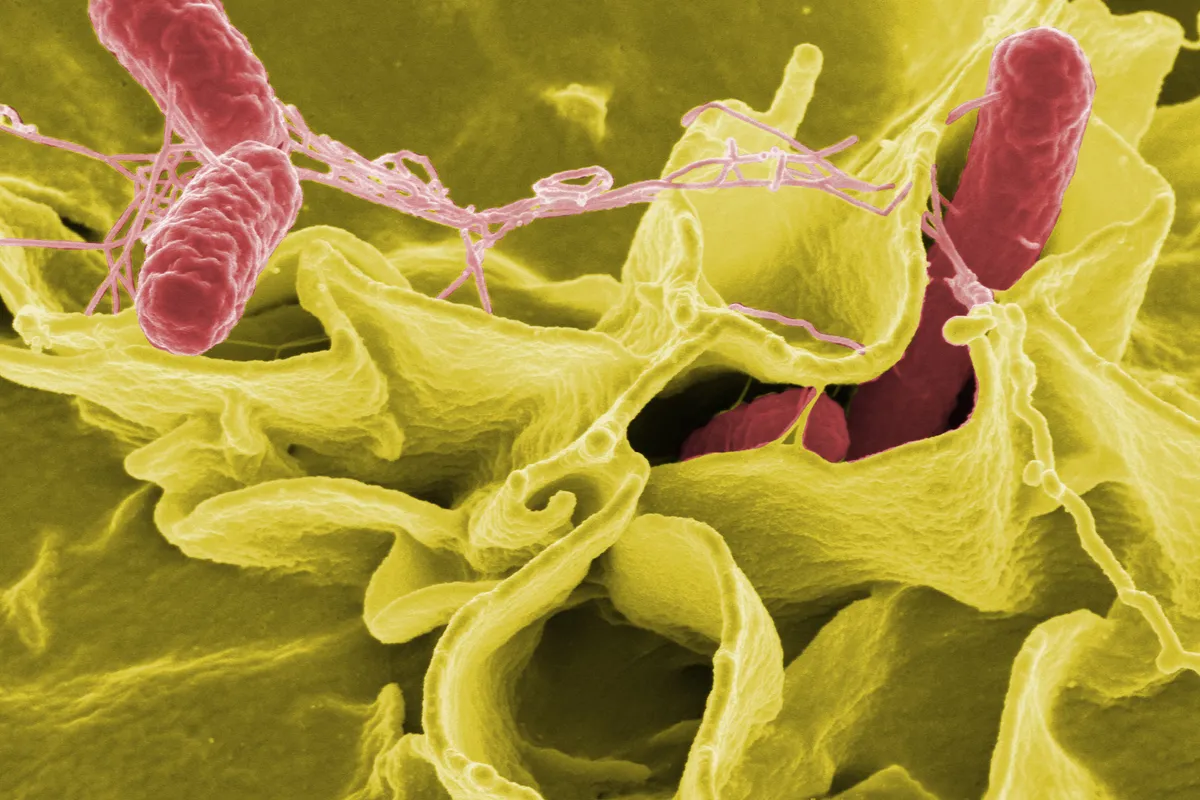
In contrast, bacterial intestinal infections can be significantly more serious. The specialist particularly highlighted salmonella, which is associated with contaminated or undercooked food, especially poultry and eggs. Data from the U.S. Centers for Disease Control and Prevention (CDC) confirm that salmonella infections are more common during warmer months, when high temperatures and improper food storage create more favorable conditions for bacterial growth.
"Stomach Virus" Can Affect the Whole Family
Viral gastroenteritis spreads quickly among family members, children in group settings, and anyone in close contact. Among possible viral causes, the specialist highlights rotavirus, adenovirus, and norovirus, and the incubation period can be very short before fever, diarrhea, and vomiting appear.
It is crucial to understand the mode of transmission. The CDC notes that norovirus primarily spreads through the fecal-oral route, either through direct contact with an infected person or through contaminated food, water, objects, and surfaces. Tiny droplets produced during vomiting can also end up on surfaces, in food, or directly in another person's mouth. Therefore, thorough handwashing with soap and water is one of the most important preventive measures.
"Handwashing is still very, very important," emphasized Sejtarija Memišević, reminding that viruses can persist on surfaces for a certain time. The CDC stresses that alcohol-based hand sanitizers are not a suitable substitute for handwashing with soap and water when it comes to norovirus.
The Biggest Danger Is Dehydration
Regardless of the cause of gastroenteritis, one of the biggest risks is the loss of fluids and electrolytes, which is especially dangerous for young children and the elderly. Sejtarija Memišević advises taking fluids frequently and in small amounts. If a person vomits, a short pause is recommended, followed by another attempt with smaller amounts of fluid.
The World Health Organization (WHO) also warns that dehydration is the greatest immediate danger in diarrhea. When losing stool and vomiting, the body loses both water and electrolytes, so WHO recommends oral rehydration solutions, and in cases of severe dehydration or shock, intravenous fluid replacement may be necessary. If the patient can no longer drink fluids and signs of dehydration appear, medical help should be sought.
When Not to Wait?
Special attention should be paid if a person cannot keep fluids down. In young children, the condition can worsen much faster, and the specialist warns that a child who vomits continuously for hours and cannot take in fluids should be taken to a pediatrician. The WHO states that in children, signs of severe dehydration include extreme drowsiness or confusion, sunken eyes, inability or very difficult drinking, and slow skin turgor after a gentle pinch. Medical help should also be sought if there is blood in the stool or if diarrhea persists for an extended period.
Pay Special Attention to Food in Summer
High temperatures increase the risk if perishable food is not stored properly. "We can't leave food on the table for two hours in this heat," warned Sejtarija Memišević, emphasizing the importance of proper food storage, hand hygiene, washing fruits and vegetables, and adequate heat treatment of ingredients.
According to the U.S. Food and Drug Administration (FDA), perishable foods, cooked dishes, and leftovers should be refrigerated within two hours of preparation or serving. If the outside temperature is above approximately 32 degrees Celsius, this time is reduced to one hour.
Antibiotics Are Not Therapy for Every Intestinal Infection
The specialist particularly warned against self-medicating with antibiotics. When discussing salmonellosis, she noted that antibiotics are not standard therapy for uncomplicated intestinal infections and are only used in severe cases. This aligns with CDC guidelines: most patients with salmonellosis only need fluid and electrolyte replacement and other supportive therapy.
In healthy people, antibiotics usually do not reduce the duration of diarrhea or fever and may even prolong the period of salmonella shedding. Therefore, behind seemingly identical symptoms, one should not automatically diagnose a "stomach virus" or reach for antibiotics. The key is to monitor whether the person can drink fluids, whether there are signs of dehydration, blood in the stool, very poor general condition, or other symptoms indicating the need for a medical examination.