Security Expert on Arrested Ukrainian: Forensics and Intelligence Played a Key Role
Tonći Prodan explained to Dnevnik Nove TV how forensics and the security-intelligence community gathered crucial evidence on the Nord Stream sabotage.
Tonći Prodan explained to Dnevnik Nove TV how forensics and the security-intelligence community gathered crucial evidence on the Nord Stream sabotage.
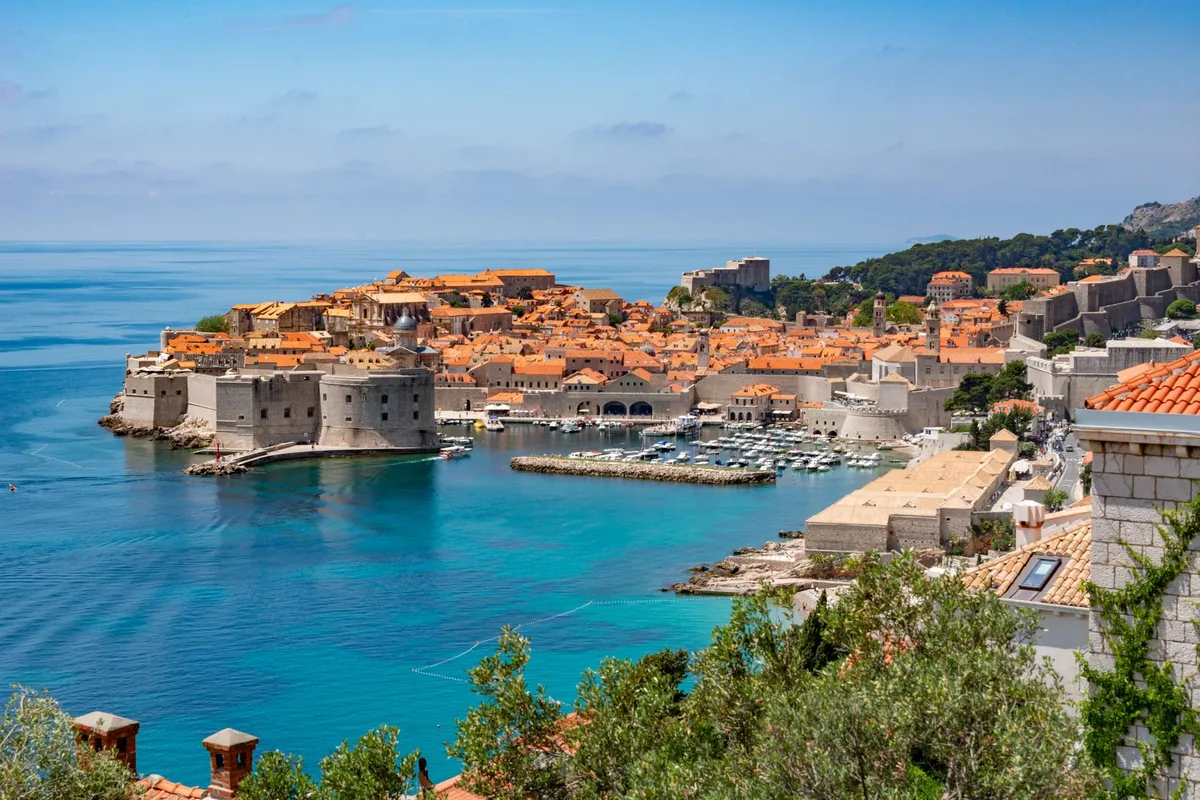
Tonći Prodan, a security expert, spoke to Dnevnik Nove TV about the arrest of Volodymyr Z., a Ukrainian citizen accused of participating in the sabotage of the Nord Stream 1 and Nord Stream 2 pipelines. He was interviewed by reporter Ivan Krznarić.
Prodan expressed surprise at the circumstances of the suspect's arrival in Croatia. "I was surprised. If the person came with their own documents and thought they could somehow be protected in an EU member state like Croatia, then that is reckless. Or, the person came to Croatia with forged documents, but then there are certain forensic data, such as fingerprints or other biometric data, by which the person will be identified," Prodan said.
According to Prodan, it was forensics and the security-intelligence community that played a decisive role in gathering evidence about the Nord Stream sabotage. Key traces were found at multiple locations.
"First, traces of explosives; it is actually a military explosive, traces of which were found on the sailboat itself, as well as on the seabed where the explosion occurred. It is a specific military explosive, with traces of certain mixtures, such as octogen, hexogen, and so on, which is a very specific explosive; that is what forensics determined," Prodan explained.
The security expert thus emphasized that it was these forensic pieces of evidence, including the analysis of the specific military explosive, that enabled the identification and linking of the suspect to the incident on the pipelines.