The Special Objects Shipyard (BSO) in Split, renowned for building submarines since the era of the former state, is on the brink of bankruptcy, yet this very crisis could become a turning point for Croatia's military industry. As owner Tomislav Debeljak and Defense Minister Ivan Anušić clash over the fate of unfinished coastal patrol vessels, a state plan is emerging in the background to take over the shipyard's key resources and transform it into the backbone of growing warship production.
Court Blocks Restructuring, Debts Reach €146 Million
The Commercial Court in Zagreb recently refused to confirm BSO's financial restructuring plan, paving the way for bankruptcy proceedings. Among creditors, Brodosplit Plovidba dominates with a claim of €133 million, while total claims against the shipyard amount to €146 million. Interestingly, state creditors, including the Tax Administration and the Ministry of Finance, also voted against the restructuring plan, even though the state, through the Ministry of Defense (MORH), is also one of BSO's most important business partners.
This contradictory position, the state as a creditor pushing the company into bankruptcy while simultaneously being a key client, suggests that the bankruptcy is not accidental but part of a broader plan. The debt structure, which mostly involves companies linked to Brodosplit and DIV, indicates an internal financial arrangement within the same owner's business system, rather than a situation where the state should rescue private debts.
State-Owned Company with a Clean Balance Sheet
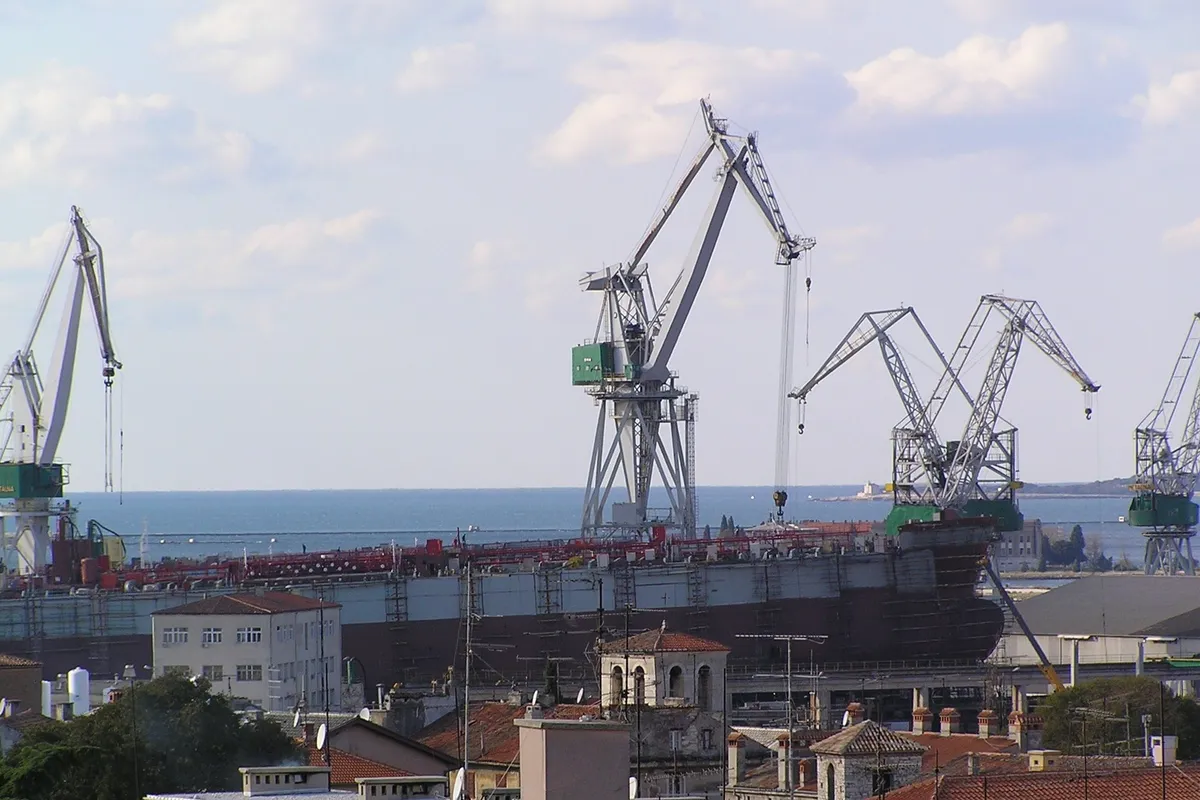
According to unofficial information, in the event of bankruptcy, the state could carve out a functional unit that includes the covered slipway, workshops, cranes, machinery, and other equipment essential for continued special shipbuilding. On this foundation, a new state-owned company would be established, starting with a clean balance sheet and a strategic plan, completing coastal patrol vessels and designing and producing corvettes, with MORH leading the order book.
BSO has spent decades building a reputation on producing vessels for military and police purposes and has specialized in overhaul and modernization. Losing these resources in bankruptcy would mean not only squandering accumulated knowledge and equipment but also permanent dependence on foreign shipyards for the needs of the Croatian Navy.
European Context and Strategic Opportunity
The revival of the military industry is becoming an increasingly important topic in the European Union, spurred by the war in Ukraine. Through programs like SAFE, financial channels are opening for production development and joint projects to strengthen military capabilities. In this constellation, BSO could hold strategic importance for a country with a long maritime tradition that wants to retain at least one capacity for military and special shipbuilding in its own security interest.
Instead of paying foreign shipyards to produce naval and police vessels, Croatia could produce and export these ships itself, with other countries paying it. The question that remains open is whether the authorities will recognize and seize this opportunity before decades-old resources disappear irreversibly.