Drought Decimates German Harvest: Will Food Prices Rise?
Germany's farmers' association warns of a 'below-average' harvest, while the agriculture minister reassures the public and promises aid to farmers only after reliable data is available.
Germany's farmers' association warns of a 'below-average' harvest, while the agriculture minister reassures the public and promises aid to farmers only after reliable data is available.
The drought that has been gripping Germany for months has left a deep mark on this year's agricultural production. The German Farmers' Association (DBV) warned on Tuesday, August 18, 2026, of a 'below-average' harvest, with association president Joachim Rukwied citing the dry spring and the heatwave in the second half of June as the main culprits. According to the association's data, grain production this year will amount to 41.9 million tons, which is 3.3 million tons less than last year, a decrease of 7%.
Rapeseed has been particularly hard hit, with its harvest falling by nearly 17% compared to last year, to 3.3 million tons. The German Federal Statistical Office also warns of a predicted decline in the apple harvest of as much as 18%. Rukwied emphasized that location played a bigger role this year than usual, with particularly poor yields, and even complete crop failures, recorded in southern and western Germany. The German Meteorological Service (DWD) confirms that the country is experiencing a severe summer drought with frequent record temperatures, which has exacerbated the effects of below-average rainfall since March.
Despite the alarming figures, Federal Agriculture Minister Alois Rainer (CSU) does not expect sudden spikes in food prices. "I don't expect prices to rise immediately because food prices also depend on many other factors, the supply chain, transport, and production," Rainer told the public broadcaster ZDF. In an interview with ARD/ZDF Morgenmagazin, he added: "They won't get more expensive right away." His claims are supported by the German Raiffeisen Association, which represents 1,600 agricultural cooperatives and stated last week that a significant rise in prices is unlikely.
Minister Rainer has promised farmers aid, but only once official harvest data is available at the end of August. "Without reliable data, it's hard for us to provide aid," he said on the ARD and ZDF morning program. In an interview with the Rheinische Post, he stated: "I'm knocking on every door where help is possible." Rainer added that he had already discussed the "worrying situation in our fields and pastures" with the EU Agriculture Commissioner and that an emergency program of 200 million euros had been launched through the Landwirtschaftliche Rentenbank, which he admits is not sufficient. "It's important to me that farms know they won't be left alone. We are closely monitoring the effects of the drought and will provide targeted aid as much as possible and as quickly as possible," he said.
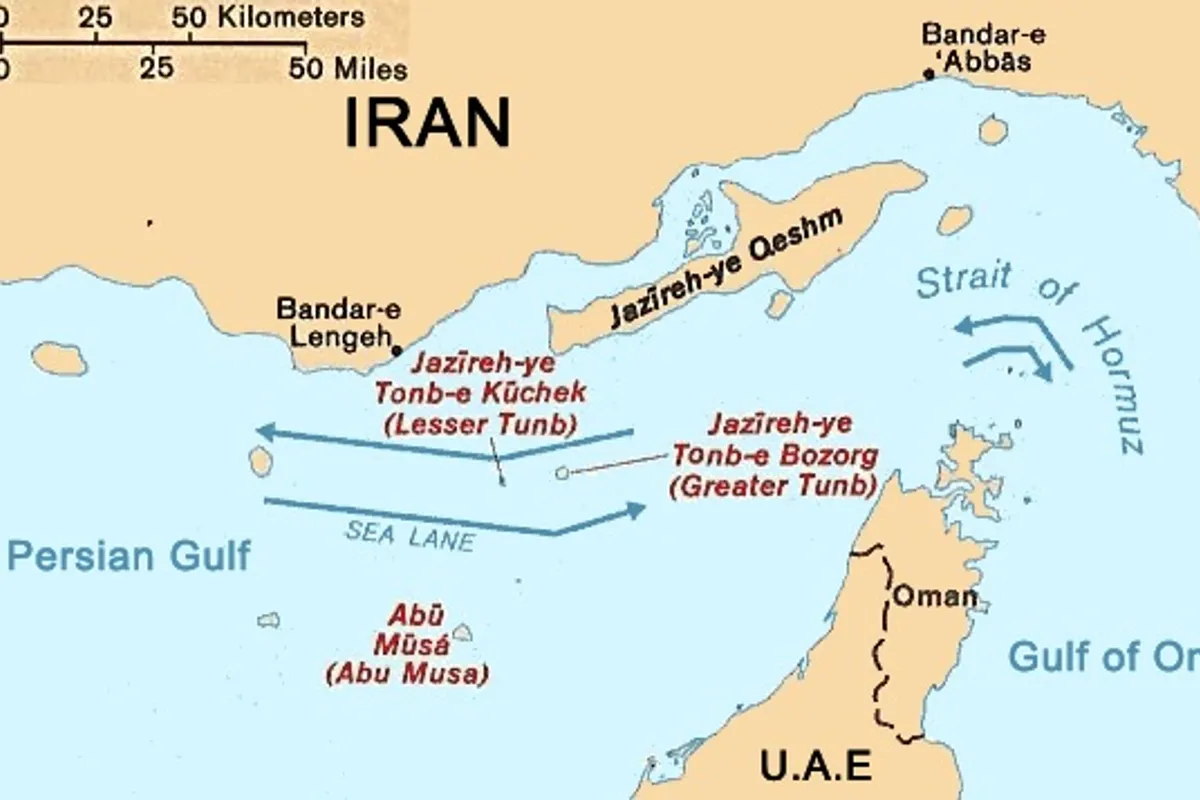
German farmers have been facing increasing pressures since the COVID-19 pandemic. According to government data released last month, food prices in Germany have risen by more than 36% since 2020. Russia's war in Ukraine in 2022 disrupted grain exports from the Black Sea, and the recent closure of the Strait of Hormuz during the Iranian War has prevented the export of oil, gas, and fertilizer ingredients, further driving up the prices of diesel, fertilizers, and pesticides. As a result, some farmers have reduced the use of soil nutrients, which is now reflected in yields. The DBV has called on Berlin to launch an 'emergency package' of aid, including increasing the EU fertilizer package from 60 to 180 million euros (about $208 million) and reducing the tax on agricultural diesel at least until the end of November.
It is worth recalling that at the end of 2023, German farmers blocked highways with tractors for months to protest plans to abolish fuel subsidies, which were later partially reinstated. Rainer declined to comment on the SPD's proposal to include climate adaptation and nature protection in the Grundgesetz, saying: "Next week we have a cabinet meeting. Then we will have time to discuss this topic." Although Germany has no direct link to the Croatian market in this case, possible changes in food prices at the EU level could indirectly affect Croatian consumers.
While Germany awaits official confirmation of the damage, warnings from Croatia suggest that food prices could rise by up to 40 percent next year. Tatjana Radić, an advisor to the Minister of Agriculture, presented estimates on the consequences of this year's drought on food prices on HRT's central news program, citing a range of 20 to 30 percent, and in some estimates up to 40 percent. "Additional investments in agriculture and our security are always welcome. The Croatian Chamber of Agriculture has already sent letters regarding the establishment of a joint risk fund during the third amendments to the Strategic Plan, which led to changes in the plan. Progress can also be made in this area by having farmers unite and the state add an additional 20 percent of funds," said Radić, supporting the Chamber's proposal to establish a national fund for financing climate change adaptation and strengthening the competitiveness of domestic agriculture.
Radić stated that Croatia does not necessarily lag behind the rest of Europe in adapting to climate change, as the entire continent faces similar problems. "I wouldn't say we're lagging behind. All of Europe is currently in crisis regarding climate change. We all apply different practices and use different interventions to adapt to these changes. However, the speed of these changes is much faster than what can currently be monitored. Some things were expected, and some were unexpected," she said. She added that Croatian farmers have been struggling with drought, hail, and other weather disasters for the seventh year, which undermines income and productivity. "The fact is that this is open-air production and farmers need help," she said.
In addition to climate challenges, Radić also warned of the growing dependence of Croatian agriculture on imports, attributing part of the responsibility to consumers who, due to lower purchasing power, often choose cheaper products. "As for imports, consumers themselves largely decide. The fact is that we have lower purchasing power, but also, when we talk about the price of pork, we can see that the price per kilogram of meat is almost the same as the price of coffee in a café," she said. She called on retail chains to increase the share of domestic products and facilitate market access for Croatian producers, highlighting labels such as "Proven Quality" and "meat from Croatian farms."