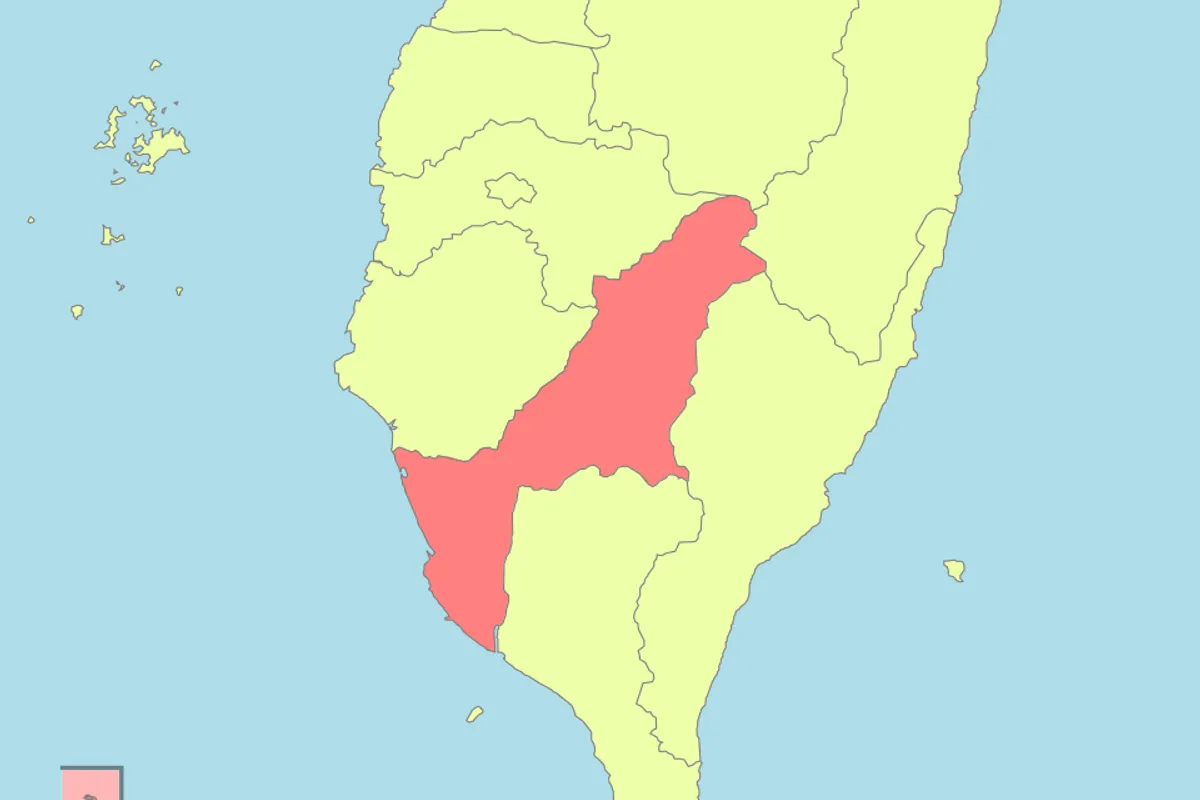
In the southern Taiwanese city of Kaohsiung, sirens blared on Friday, traffic came to a halt, and residents sought shelter. This was not a real attack but another in a series of military exercises through which this self-governing island democracy prepares for what many see as an increasingly likely threat-an invasion by China.
The air raid drill, held on August 7, 2026, simulated an aerial attack and involved traffic restrictions lasting about 30 minutes, according to Euronews. Police stopped vehicles on the roads, and Kaohsiung Metro staff guided passengers on how to protect themselves in emergencies.
This is just one segment of the extensive preparations taking place across the island in recent days. Just a few days earlier, on Wednesday, August 5, the largest annual ten-day military exercise began, designed to prepare the population for a potential invasion.
Civilians Learn to Operate Drones and Fight
Swedish television SVT followed one of the exercises in the jungle south of the capital Taipei, where a group of 15 engineers, teachers, and police officers trained in self-defense and military drone technology. Participants practiced using drones, dropping objects from the air, and avoiding detection, followed by combat training with airsoft rifles.
One participant, engineer Lee An-Pang, explained to SVT the motivation behind these efforts. "Personally, I believe we are seriously threatened. This is especially evident in the extensive Chinese military exercises outside our waters," said Lee, who had swapped his everyday clothes for military gear.
His concern is not unfounded. On the same day, August 7, Taiwan's Ministry of National Defense reported that 14 Chinese military aircraft and nine naval vessels had been detected around the island, continuing Beijing's almost daily military pressure.
Imbalance of Power and a Clear Message
The military imbalance is significant. Taiwan's military numbers nearly 200,000 troops, while China's is many times larger. Beijing has regarded the island as a breakaway province since 1949, when nationalists fled to Taiwan after defeat in the Chinese Civil War and communists took power in mainland China. Since then, China has maintained that Taiwan, if necessary by military force, will once again become part of "mainland China."
Despite this, Taiwan's message is resolute. "We do not want war, but we must be ready to help both the military and civilians," Lee An-Pang stated, adding: "We train to show that we are ready to defend our country and remind China of the resistance here."
Preparations continue into the next week. According to a Reuters report, Taiwan will, for the first time, deliberately reduce mobile internet speeds to test how citizens would communicate under limited bandwidth-another step in comprehensive preparations for the worst-case scenario. These activities reflect the growing tension in a region with potential global security implications.