Italians Have Vanished from Stradun
Long-time tourism professional Milo Katić explains to JUGInfo why Dubrovnik has lost the Italian market and why this is likely a permanent change.
Long-time tourism professional Milo Katić explains to JUGInfo why Dubrovnik has lost the Italian market and why this is likely a permanent change.
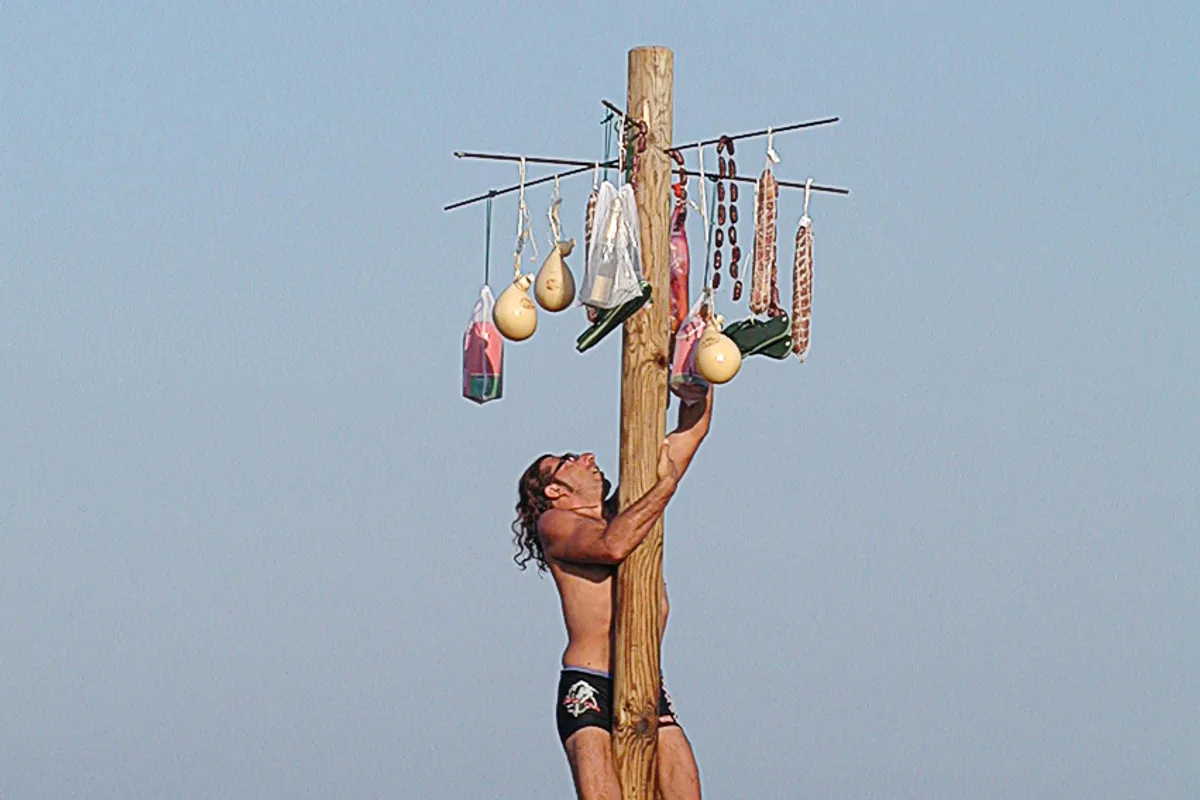
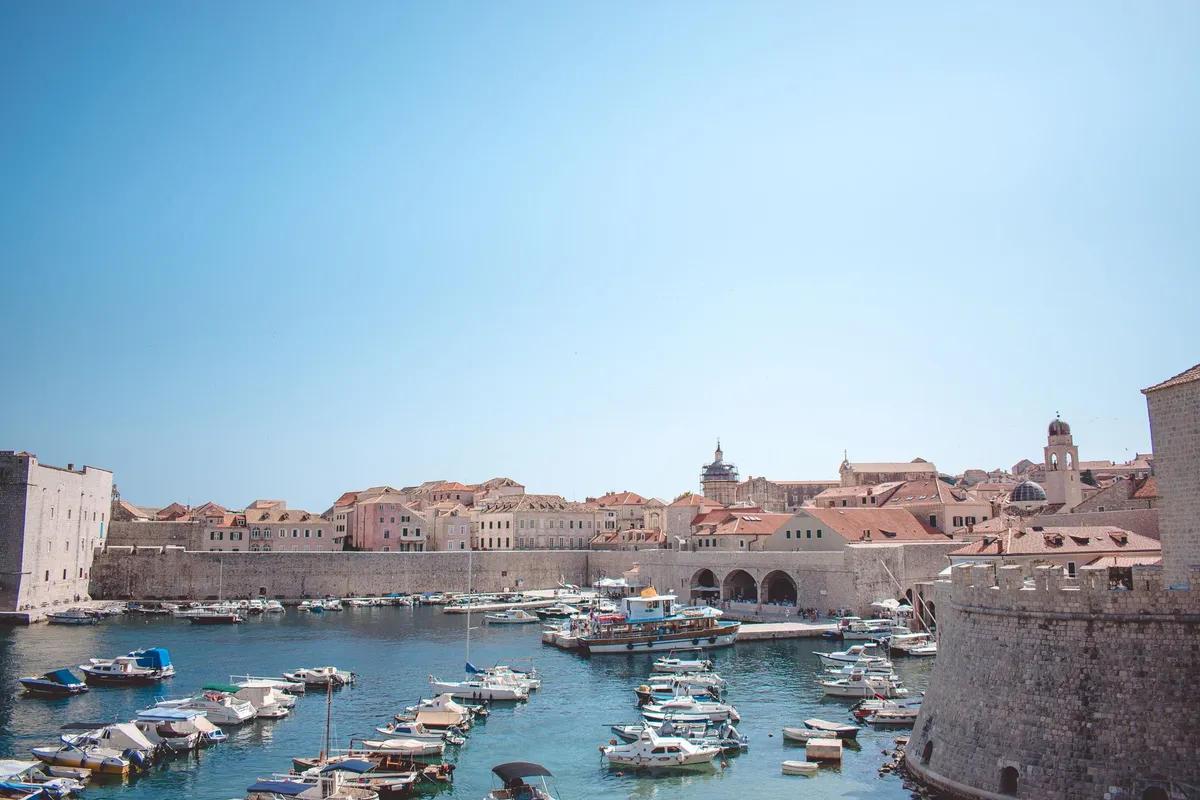
August in Dubrovnik once had a special sound. Full ships, cars with Italian license plates, and thousands of guests communicating in Italian on Stradun were the hallmark of Ferragosto, the holiday that marked the peak of the summer season. Today, that image is mostly a memory, and Italian guests, though not gone, are no longer among the most numerous in Dubrovnik.
Milo Katić, a long-time tourism professional who worked with the Italian market at Atlas for years, remembers well the time when Ferragosto brought a large number of guests from Italy to Dubrovnik. In the late 1980s, the large ferry Sansovino also sailed between Dubrovnik and Italy, carrying passengers and vehicles. The days around Ferragosto were always peak, Katić recalls for JUGInfo.
"In private accommodation alone, from Molunat to Orebić, there could be around 800 Italian guests, not counting those staying in hotels," Katić said.
The difference between then and now, says Katić, is enormous. People used to stay in Dubrovnik for ten or 15 days, while today they come for two or three nights. Today, Italians stay shorter, have less financial means, and more often choose cheaper vacation options. The first serious decline in the Italian market began during the 1990s, when the war cut off maritime connections with Dubrovnik.
"After the war, we sent hydrofoils from Bari that could bring about a hundred people a day. That couldn't compare with the large ships that used to bring guests," Katić points out.
At the same time, the Italian lira weakened, while Albania and Montenegro opened up to Italian tourists and established direct ferry connections. Dubrovnik lost its earlier advantage in the Italian market. The devaluation of the lira reduced Italians' purchasing power, and new, more affordable destinations significantly reduced their arrival in Dubrovnik, Katić explains.
In Istria, which benefits from its proximity, a large number of Italian tourists is still present. From northern Italy, you can reach Istria by car in a few hours, while traveling to Dubrovnik requires significantly more time and money.
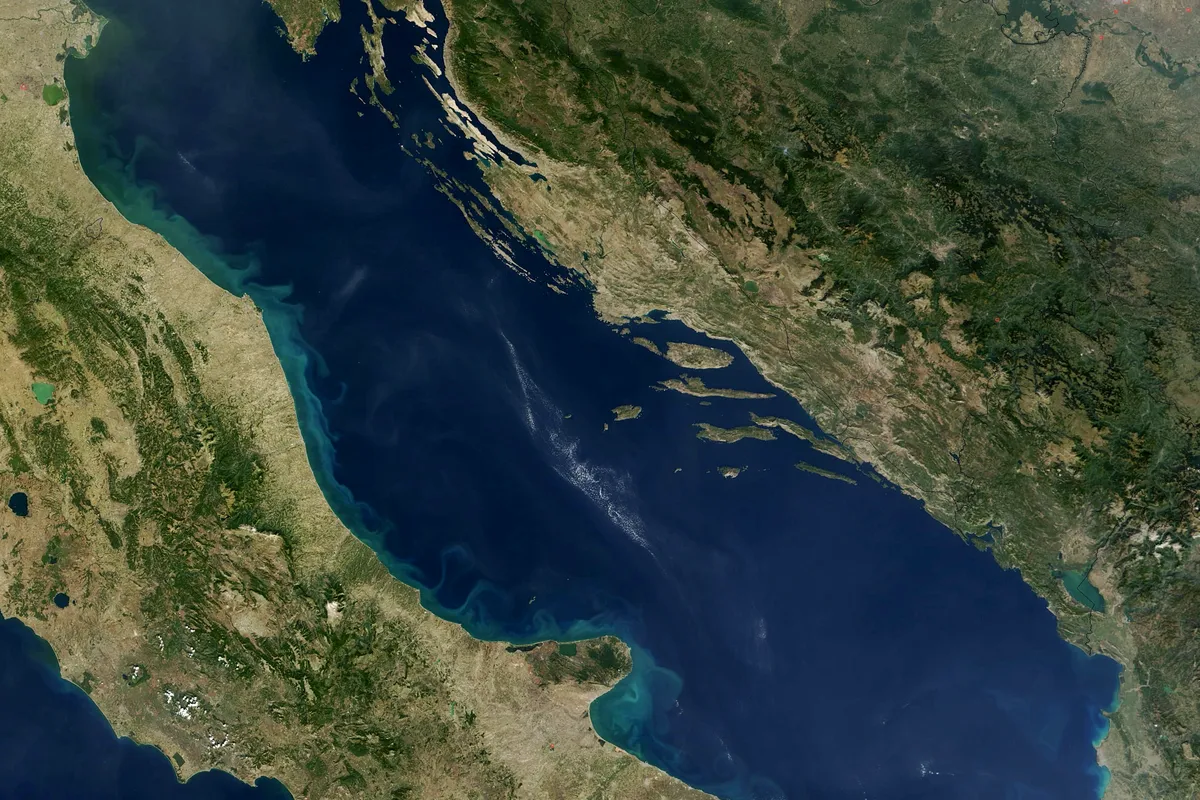
"Italians rarely go on vacation without a car. To get to Dubrovnik, they have to reach Bari, pay for the ferry and car boarding. When you add accommodation prices, it's clear why they choose closer or cheaper destinations," says Katić.
Meanwhile, Dubrovnik itself has changed. The quality of hotel services has improved, the city has positioned itself as a higher-end destination, and the mix of guests has become more diverse. According to Katić, Dubrovnik has raised prices and turned to other markets, noting that five-star hotels are now comparable to the best Italian ones, but the average Italian tourist can hardly afford such a stay.
The tourist board and the tourism sector, he emphasizes, must align with the markets that Dubrovnik has good and frequent transport connections with. It's easiest to promote to markets from which multiple direct flights arrive daily, Katić explains, citing the UK as an example of a market with a large number of flights.
It is precisely good air connectivity that has allowed Dubrovnik to attract guests from different parts of the world and no longer depend on just a few traditional markets. Therefore, instead of a void left by the former Italian dominance, there is now a much more diverse international tourist picture.
Is it possible for Dubrovnik to once again experience Augusts when the Italian language was heard everywhere? Katić believes that such a time has indeed ended.
"It's hard. I don't believe that time can return. We have beautiful memories, but the time when Italian was heard at every step on Stradun in the summer is definitely over," Katić concludes.
Ferragosto remains a precious part of Dubrovnik's tourist memory, but it is no longer the only indicator of a successful season. Long holidays and ships full of passengers have been replaced by short trips, direct flights, and tourists from all over the world. Dubrovnik, like tourism itself, has adapted to new circumstances.