Tanker with 110,000 Tons of Oil Threatens to Destroy Paradise off Oman
Oil slick from grounded ship 'Caroline Bezengi' quadruples in days, now covering an area twice the size of Munich, endangering coral reefs and sea turtles.
Oil slick from grounded ship 'Caroline Bezengi' quadruples in days, now covering an area twice the size of Munich, endangering coral reefs and sea turtles.
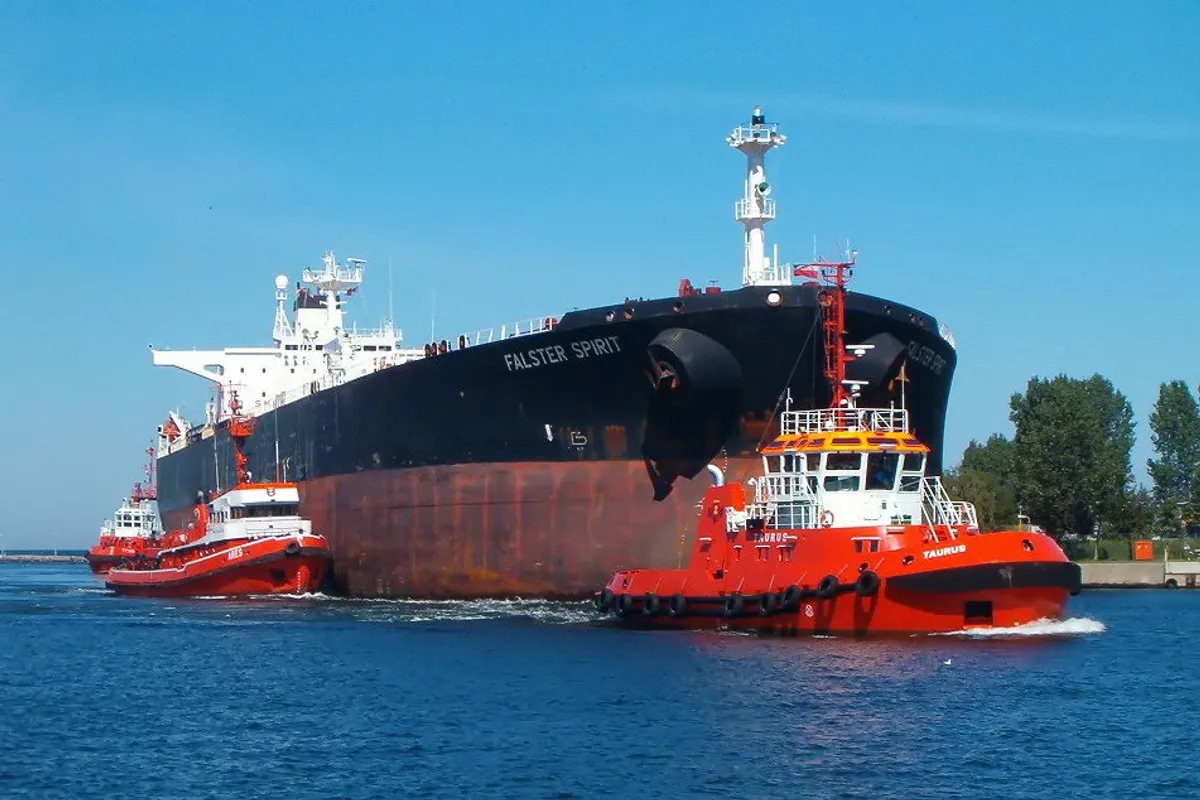
An environmental catastrophe threatens the coast of Oman after the tanker "Caroline Bezengi," believed to be carrying 110,000 tons of crude oil, ran aground in the waters of the Sultanate. The ship, linked to Russia's "shadow fleet," has become a ticking environmental bomb, with its contents now leaking uncontrollably into the sea, and the oil slick spreading dramatically toward a state-protected marine area.
According to satellite imagery analyzed by Greenpeace, the oil slick has quadrupled in size over the past few days. Its current extent is estimated to be twice the area of the city of Munich. The incident occurred in early June 2026, after which data on the vessel's location ceased to be publicly available.
The greatest concern is that the slick is spreading toward a protected marine area in the southern part of the Sultanate, home to rich coral reefs and rare animal species. "These uninhabited islands are home to sea turtles that use the beaches for nesting," Nina Noelle, Greenpeace's expert on international crisis intervention, told ARD. She added that dolphins and a rare species of humpback whale are also found in the surrounding waters, emphasizing that all of this is now acutely threatened.
Noelle also warned of potentially catastrophic consequences for the local population. "Because here, it can truly happen that Oman and its people end up with the consequences and this dramatic pollution," Noelle said.
Finding those responsible for the cleanup is further complicated by the vessel's intricate ownership structure. Geodata company Synmax, which analyzed the satellite images, reported that the tanker, which is under European Union sanctions, likely loaded oil at a Russian port and was en route to India. Reports, however, suggest the ship belongs to a company in China, but the trail, as with many other "shadow fleet" vessels, leads to a shell company.
Badaoui Rouhban, an engineer and former long-time United Nations official, appealed to the international community to take responsibility, stressing that Oman cannot solve this problem alone. Speaking to the Arabic television channel Al Arabiya, Rouhban was blunt: "If the United Nations remains idle, that is simply not acceptable. There is the International Maritime Organization, the UN's maritime agency. The Executive Council of that organization must act and take its responsibility."
Although Oman's Ministry of Transport has stated that technical teams are monitoring the incident and taking urgent measures to minimize risks to the marine environment, specific details on how the problem is to be resolved have not been released. Authorities have already unsuccessfully called on the ship's owners to remove the tanker and its cargo from Omani waters.
Environmental activists warn that swift action is now crucial, such as transferring the oil to another tanker, to prevent a massive ecological disaster with far-reaching consequences for the environment.