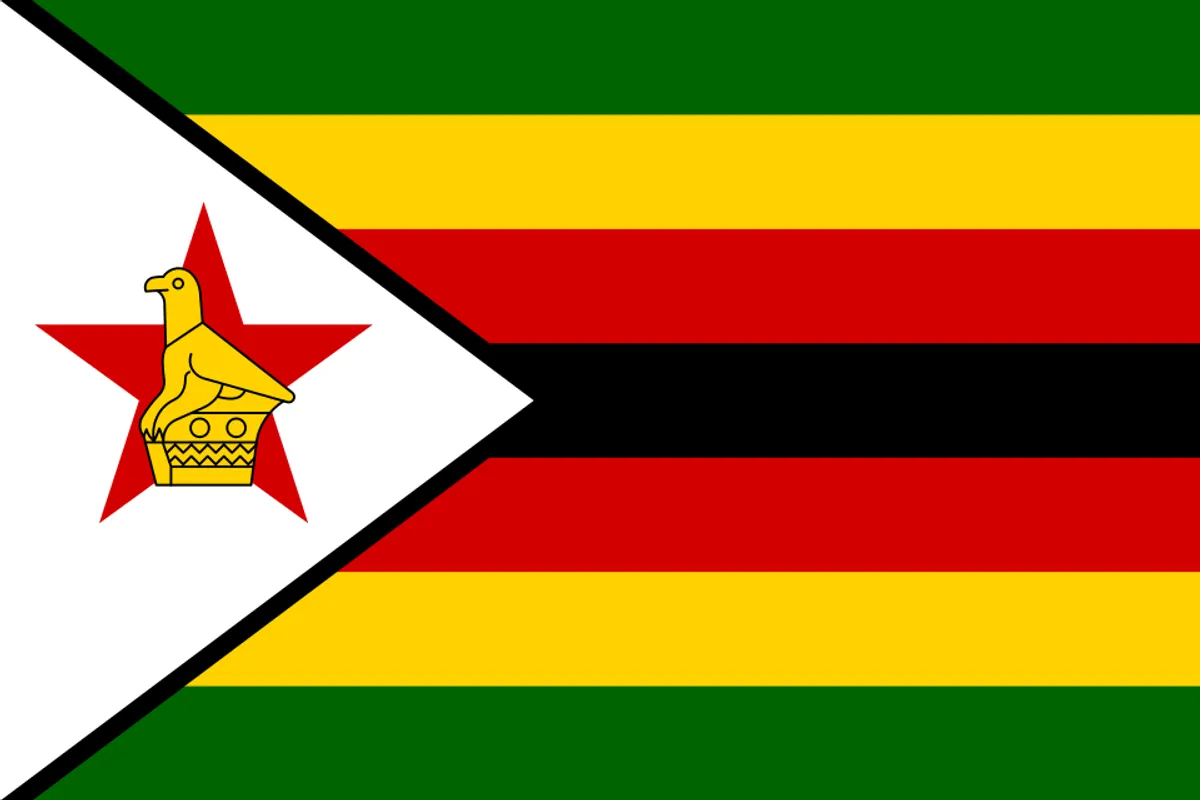
The death toll from the ferry capsize on Lake Kariba in Zimbabwe has risen to 80, police said on Sunday, August 16, 2026. At least 18 children are among the victims, and rescue teams are still searching the area around the overturned vessel.
The accident occurred on August 11, 2026, when the ferry capsized due to strong waves. According to the Egypt Independent, police initially reported 72 dead, while Tagesschau reports that the death toll later rose to 80. Sources differ on the exact number, and independent confirmation is not possible.
Passengers begged captain to turn back
According to survivors' accounts reported by Tagesschau, passengers had begged the captain to abort the voyage due to high waves and strong winds, but he refused. Shortly after, the ferry got into trouble in the eastern part of Lake Kariba and capsized.
Disaster management officials in the province described the vessel as "stark überladen und technisch heruntergekommen," meaning heavily overloaded and technically dilapidated. Local media reported that safety warnings for vessels on the lake had been issued on the day of the accident.
Overloading and lack of records
The ferry's official capacity was 90 passengers and 5 crew members, but authorities estimate that more than 110 adults were on board, in addition to an unknown number of children. The Egypt Independent reports that passenger estimates range as high as 153 people.
The issue with child records stems from the fact that children below ticket age are not included on passenger manifests. Police lists showed that 16 of the deceased children were aged 10 or younger, with the youngest victim being just one year old.
According to Zimbabwe's disaster management agency, 77 people were rescued. Bodies were found beneath the overturned hull of the ferry and in the water around the accident site.
President declares disaster and announces reforms
Zimbabwe's President Emmerson Mnangagwa called the accident a "national tragedy" and officially declared a "Katastrophenfall," or state of disaster. In a statement, he acknowledged "serious shortcomings" in the country's maritime safety structures.
Mnangagwa announced a review of safety standards, modernization of the fleet, and replacement of the sunken ferry. He also promised to repair a key road that is so dilapidated that many people were forced to use the ferry service.
Human rights organizations in Zimbabwe have called for an independent investigation, clear accountability, and concrete reforms. The investigation announced by authorities should determine why the ferry set sail despite weather warnings, how many people were actually on board, and whether safety regulations were violated.
Lake Kariba: The world's largest man-made lake
Lake Kariba is the world's largest man-made lake by volume, created by damming the Zambezi River in the late 1950s and early 1960s. It stretches over 200 kilometers in length and is up to 40 kilometers wide in places.
The lake is shared by Zimbabwe and Zambia, with the border between the two countries running through its middle. The ferry was transporting passengers from the town of Kariba to rural and fishing communities in the northwest of the country, where roads are damaged and public transport is scarce.