Trump Leaves Meeting as Senate Passes Sanctions
The U.S. Senate passed a new sanctions bill with 86 votes in favor and 11 against, including 500 percent tariffs on Russian imports and targeting the energy sectors of both countries.
The U.S. Senate passed a new sanctions bill with 86 votes in favor and 11 against, including 500 percent tariffs on Russian imports and targeting the energy sectors of both countries.
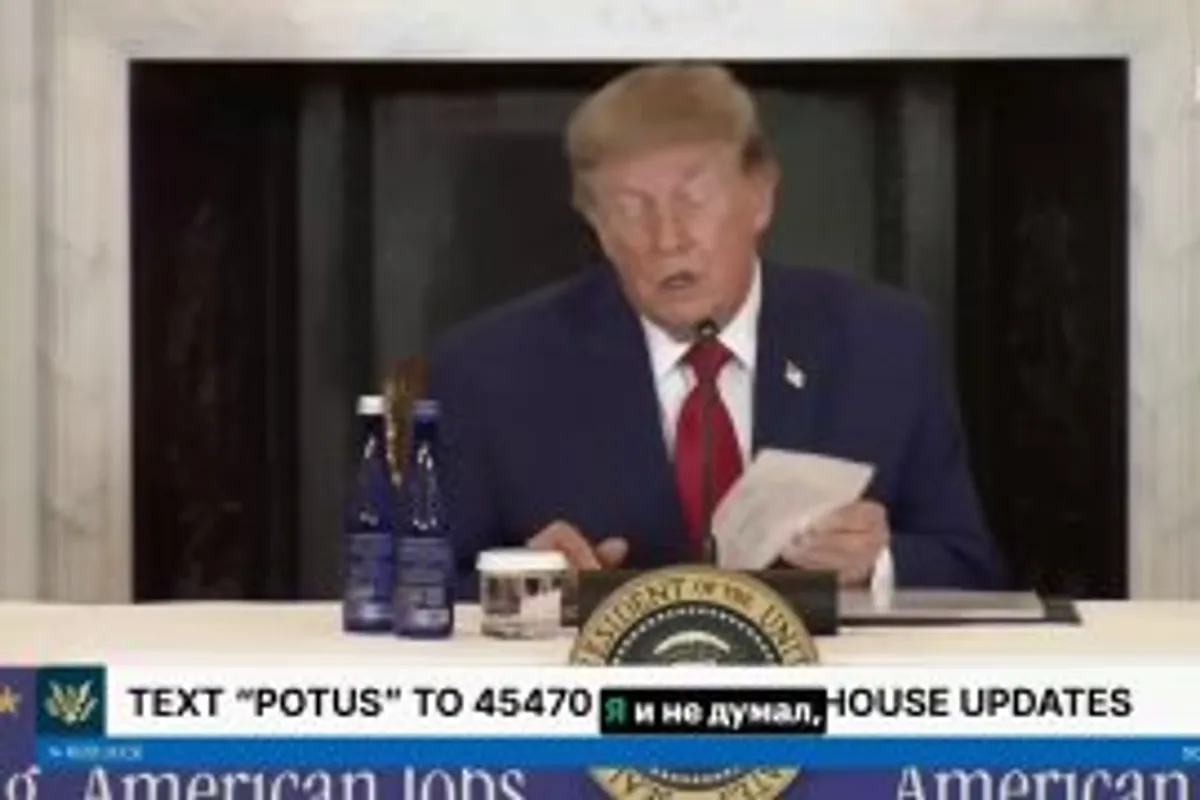
While a meeting at the State Department was ongoing on Friday, August 8, 2026, U.S. President Donald Trump was asked to leave early. According to information from Military Summary, he stated on that occasion that he "must wage war." On the same day, the U.S. Senate voted on a comprehensive sanctions package against Russia and Iran, already being called "hellish sanctions" in public.
The bill, which passed the Senate with 86 votes in favor and 11 against, represents the latest initiative of the late Republican Senator Lindsay Graham. The document now goes to the House of Representatives and then to President Trump for his signature, whose White House had agreed in principle to the terms back in July 2026.
The package of measures is designed to choke off revenue from Russian exports and limit access to military technologies. According to Rybar, a Russian insider Telegram channel, the bill includes several key provisions. Mandatory visa and blocking sanctions are planned against Russian President Vladimir Putin, Russian military officials, and individuals linked to the defense sector.
The bill introduces mandatory tariff increases on all imports from Russia of up to 500 percent of their value. It also imposes 100 percent tariffs on the largest importers of Russian oil and gas if they continue purchasing after the law takes effect. Exceptions are made for countries that import less than 15 percent of their gas from Russia and are reducing those imports.
The new measures also include blocking sanctions against Russian banks that are partially or fully state-owned. Special focus is placed on the so-called "gray" or "tanker fleet"-vessels transporting Russian oil, uranium, and coal. The U.S. is also prohibited from exporting energy products to Russia, making new investments, purchasing Russian sovereign debt, and trading shares of Russian state-owned companies on American exchanges.
Although passing the bill in the divided House of Representatives will not be easy due to concerns from both parties over broad tariff powers, its final adoption is considered highly likely. Contributing factors include President Trump's public support, the Senate's stance, and the tribute to Senator Graham.
As the lower chamber of Congress is currently not in session, the vote is expected in September. Rybar estimates that the document will be passed by a narrow margin, likely after amendments to the tariff section. The bill also includes broad presidential waiver authority, allowing Trump to suspend sanctions if he deems it in the national interest, thereby reducing his resistance to signing.
While the goal is to intensify long-term economic pressure on Moscow, analysts are skeptical that these measures will be decisive in Trump's strategy of "forcing Russia to peace." Strict enforcement, especially against major importers like India, could trigger global trade complications and provoke countermeasures from China. A key unknown remains the president's waiver authority, which gives him the ability to freeze the harshest restrictions for potential negotiations.