Trump Halts Attacks on Iran After 13 Days, Pentagon Adjusts Casualty Figures
U.S. President Claims America Has More Ammunition Than Needed, While Analysts Warn of Critical Shortages and Congress Challenges War Powers.
U.S. President Claims America Has More Ammunition Than Needed, While Analysts Warn of Critical Shortages and Congress Challenges War Powers.
U.S. President Donald Trump halted airstrikes on Iran on Monday, July 27, 2026, after 13 days of daily attacks, The Wall Street Journal reported, citing informed U.S. officials. Meanwhile, the Pentagon has once again revised its figures for American losses in the war that began on February 28, adding over 140 wounded and reinstating four dead, according to CNN, as reported by Index.hr.
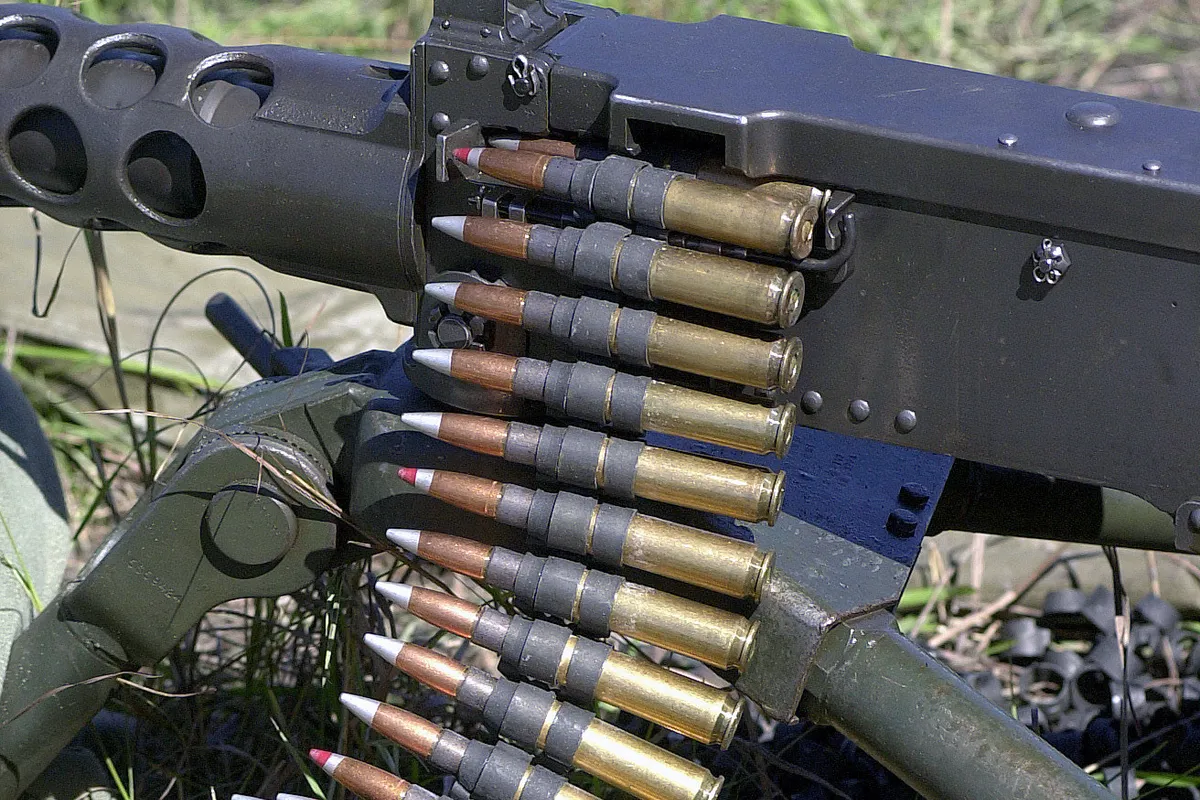
General Dan Caine, chairman of the Joint Chiefs of Staff, informed the White House that stocks of air defense interceptors, such as Patriot missiles, have been severely depleted. However, Admiral Brad Cooper, commander of U.S. Central Command, believes low stockpiles are not a problem because a large-scale strike on Iran would cripple its ability to conduct airstrikes. Spokespeople for General Caine and Central Command did not comment on the report.
The president himself dismissed concerns about supplies. "We have far more ammunition than anyone in the world, and far more than we need," Trump told The Wall Street Journal. On Friday, before reporters at the White House, he said: "There is a military exit where we just keep going as we are, and we can even increase the dose, and it destroys everything they have. Or there is a smarter strategy to strike a deal. And they want to make a deal."
According to an April report from the Center for Strategic and International Studies (CSIS), authored by retired Colonel Mark Cancian and researcher Chris Park, at least 1,500 Patriot interceptors have been used in the war, leaving the U.S. with fewer than 1,000. In an updated assessment, the authors warned of a "short-term risk," particularly in the context of a potential conflict with China, which would consume ammunition even faster. Pentagon officials confirmed that Gulf states have also expended a large portion of their interceptors.
At the same time, Islamic Revolutionary Guard Corps (IRGC) spokesman Hossein Mohebi told the Iranian agency Tasnim, as reported by Kurir.rs, that Operation "Victory-2" had killed more than 200 American soldiers, with the number of wounded "significantly above this figure." Mohebi dismissed all U.S. casualty reports as false and called on Washington to open the bases that Iran attacked to journalists.
The Pentagon, meanwhile, updated the DCAS database on Saturday. The total number of fatalities since the start of the war on February 28 now stands at 18, with 624 wounded, a significant increase from the previously recorded 482 wounded. Acting Deputy Pentagon Spokesman Joel Valdez attributed earlier changes to "temporary data disruptions on the website." A new category titled "Overseas Operations" in the DCAS system, starting on July 7, coincides with the date the Trump administration announced the beginning of a new conflict with Iran.
Under the 1973 War Powers Act, the president must end military operations within 60 days unless Congress authorizes their continuation. The Trump administration claims that the ceasefire with Iran on May 1 "stopped the clock," sparking backlash from lawmakers of both parties. Twelve Democratic senators on the Armed Services Committee sent a letter to Defense Secretary Pete Hegseth demanding an explanation.
Republican Senator Lisa Murkowski of Alaska told Hegseth at a July 21 hearing that the administration had bypassed Congress: "Such a claim effectively enables the president to stop the war powers clock precisely when it becomes legally inconvenient. This bypasses the congressional approval required by the Constitution and envisioned by the War Powers Act." Secretary of State Marco Rubio had previously called the law "100 percent unconstitutional."
The South China Morning Post highlights the long-term consequences of the conflict: Iran's Chabahar port, strongly backed by India, was intended to become a trade corridor to Afghanistan and Central Asia, bypassing Pakistan and China's Gwadar port. U.S. sanctions and the war with Iran now undermine this rare counterbalance to Chinese influence in the region.