Trump Delays Plans for Major Escalation of Attacks on Iran
The New York Times reports that the U.S. president temporarily halted plans for intensified strikes due to depleted missile defense stockpiles and fears of a broader regional war.
The New York Times reports that the U.S. president temporarily halted plans for intensified strikes due to depleted missile defense stockpiles and fears of a broader regional war.
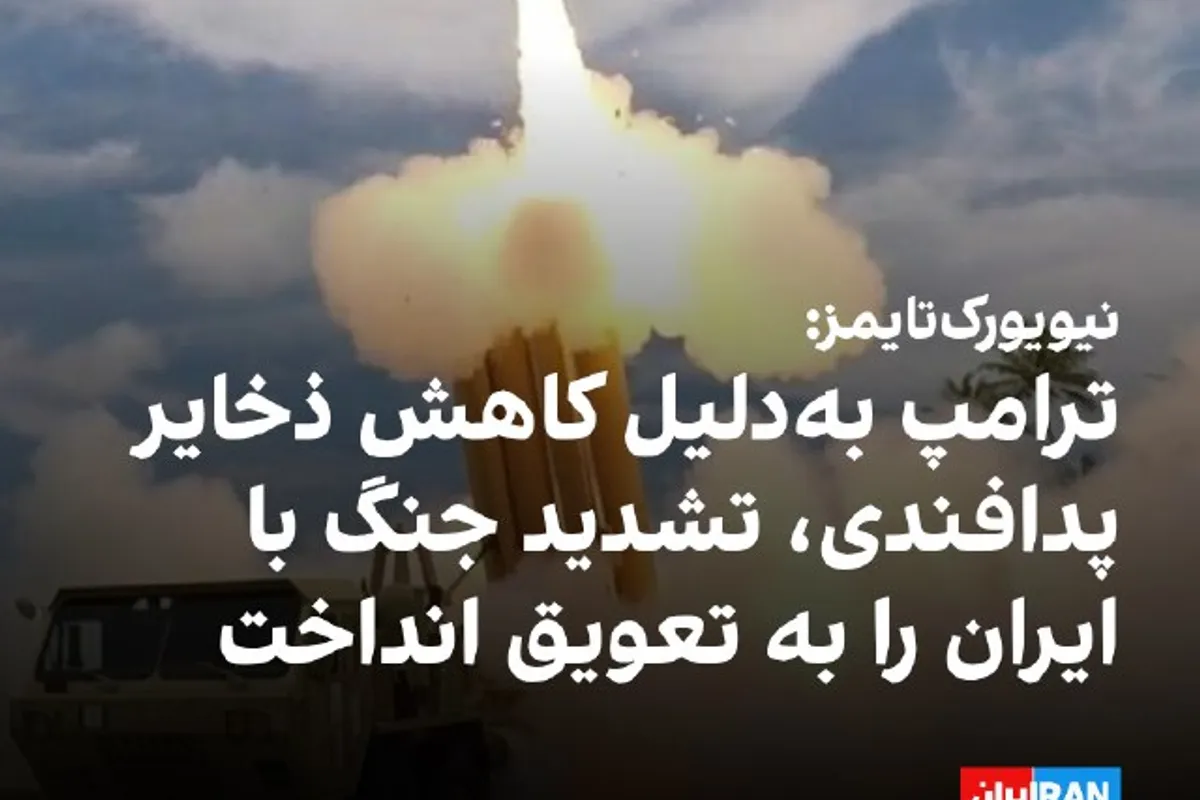
U.S. President Donald Trump has temporarily delayed plans for a major military escalation of attacks on Iran, according to The New York Times, citing sources close to the White House. The decision came after thirteen consecutive nights of U.S. strikes, with the last attack recorded on the night of Thursday, July 23, into Friday, July 24, 2026. As of Saturday, July 25, the U.S. has announced no new operations against Iran.
According to The New York Times, one of the main reasons for the temporary halt is concern over dramatically reduced stockpiles of missiles for the Patriot air defense system used by the U.S. military in the Middle East. Advisors warned Trump that expanding operations could dangerously deplete these defensive capabilities and leave U.S. allies in the Persian Gulf more vulnerable to Iranian retaliation. Additionally, according to the same sources, Trump's inner circle of advisors was largely opposed to escalation, believing that continued negotiations and economic pressure represent a less risky approach.
An unnamed U.S. official, cited by The New York Times in a report by the Russian state agency TASS, said the attacks "are having the opposite effect of what was intended, keeping Iran united and allowing Iranian leaders to focus on an external threat." This assessment points to deeper strategic doubts within the U.S. administration about the effectiveness of military pressure.
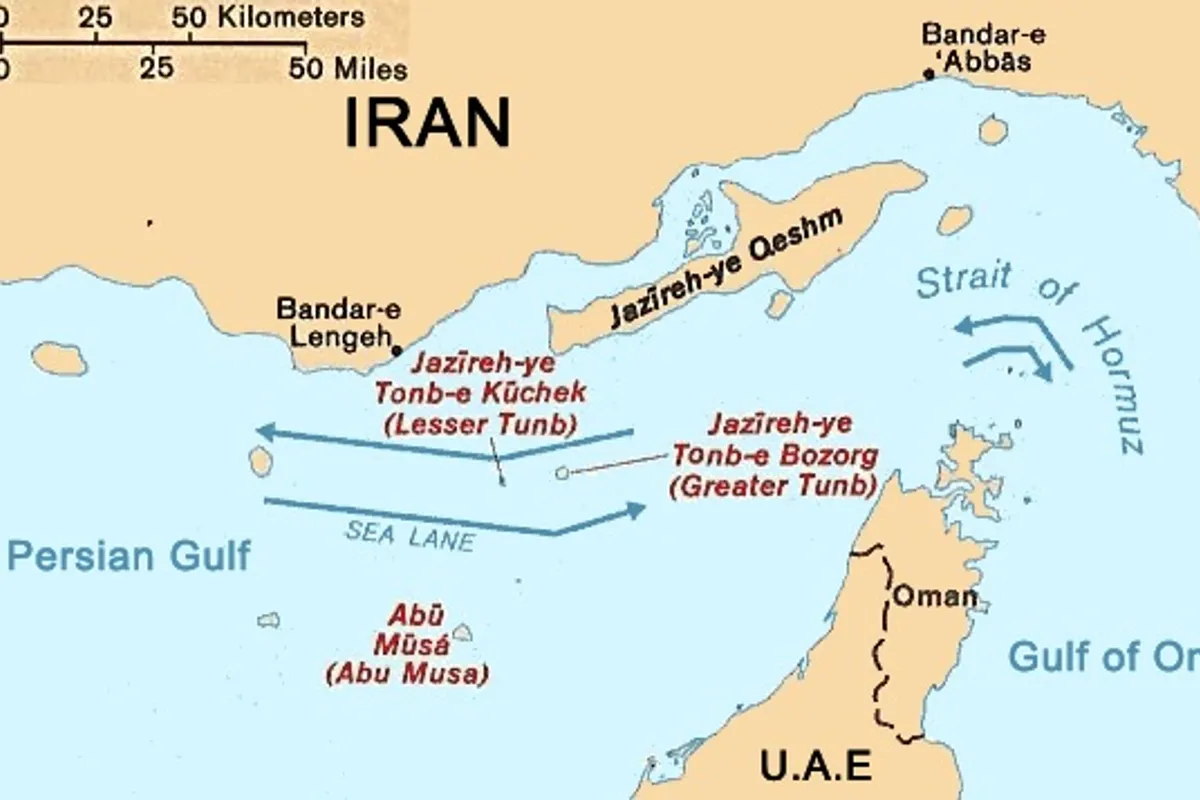
Despite the temporary halt, the White House has emphasized that the military option remains on the table. According to sources close to the Iranian media outlet Iran International, the U.S. side warned that it would respond with military force if Iran continues actions in the Strait of Hormuz, a strategic maritime passage between the Persian Gulf and the Gulf of Oman through which a significant portion of the world's oil supply passes, or if it attacks U.S. allies. The economic blockade of Iran remains in effect.
Mark Esper, former U.S. Secretary of Defense who served from 2019 to 2020 during Trump's first term, told Fox News that he believes Trump could use the threat of attacks as leverage to bring Tehran back to the negotiating table. "I strongly believe in an economic blockade in terms of cutting off all sources of revenue, because if they have no revenue, they cannot rebuild their military, cannot pursue their nuclear ambitions, and cannot support their proxy forces," Esper said, stressing that he advocates expanding the blockade to all entry and exit points to the country.
Concurrently with the unfolding situation, Israeli Prime Minister Benjamin Netanyahu plans a visit to Washington scheduled for Tuesday, July 28, 2026. According to Iranian media citing Israeli sources, Netanyahu intends to present Trump with new intelligence findings on Iran's military and nuclear program. Israeli officials, as reported by Iran International, interpret the temporary pause in U.S. attacks not as a change in Washington's strategy but expect that a failed diplomatic path could lead to renewed and more intense escalation of military operations. The Israeli military remains on full alert.
The regional picture is further complicated by the Houthis, an armed group in Yemen heavily influenced by Iran, who have intensified attacks on targets in Saudi Arabia. The conflict in Yemen and Houthi attacks on ships in the Red Sea increase concerns that a regional war could escalate far beyond the Iran-U.S. conflict. The Red Sea, a key maritime corridor for global trade, has long been the scene of Houthi attacks on cargo ships, which has direct consequences for global supply chains and commodity prices.
The situation remains extremely volatile. While Trump temporarily holds the military option in readiness, diplomatic channels to Tehran have not yet been established, nor have they yielded tangible results. The next key moment will be the Trump-Netanyahu meeting on Tuesday, which could determine the direction of the crisis going forward.