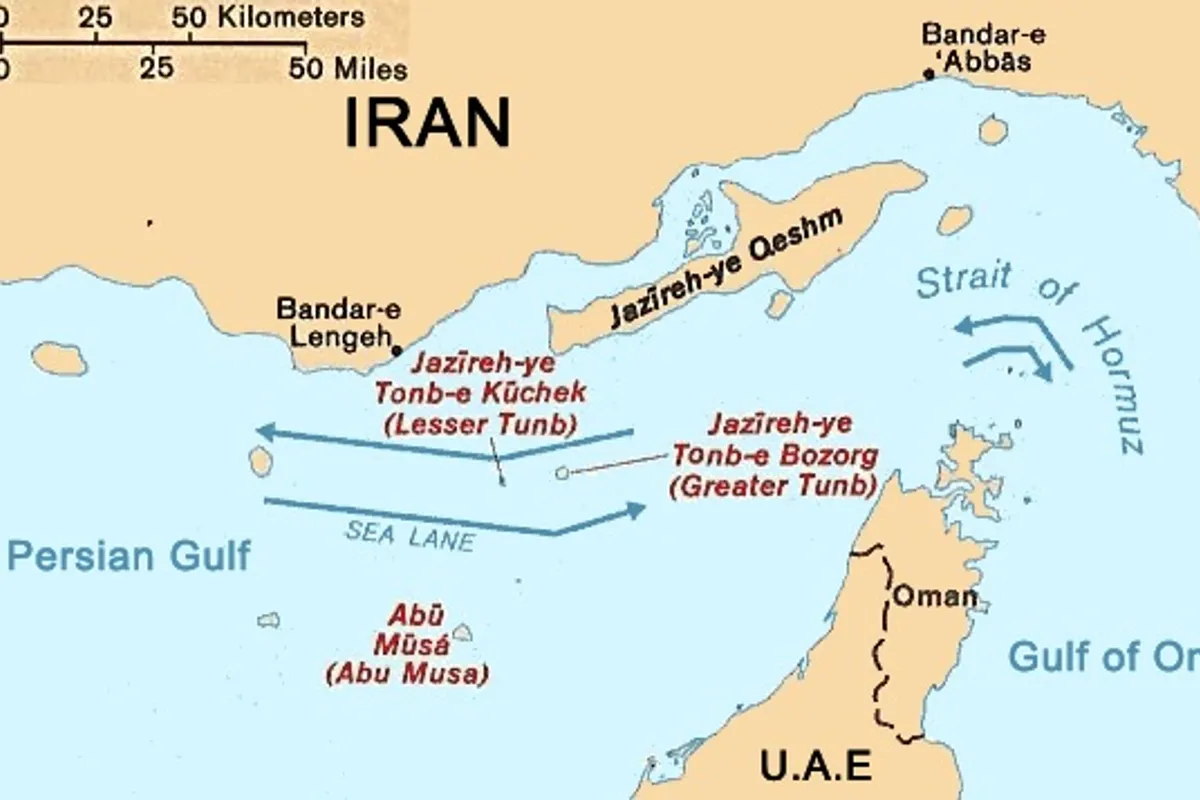
U.S. President Donald Trump posted an image on social media on Tuesday, August 18, 2026, showing the Strait of Hormuz marked as new American territory. The post came without additional comment, following Trump's announcement last week that he would soon declare the strategic waterway U.S. territory. On the same day, Trump wrote on Truth Social that the United States is not conducting or planning negotiations with Iran, but the very next day, on Wednesday, he said talks with Tehran could resume "maybe at some point, but right now the situation is so good." He also reiterated that "Iran cannot have nuclear weapons" and claimed that the United States has full control over the Strait of Hormuz.
Iran's Diplomatic Response with a Map
The Iranian side did not wait long to respond. Iran's Consulate General in India posted a map of the United States on social media platform X, with the state of California highlighted in a different color. The post was accompanied by the caption: "New territory of the Islamic Republic of Iran."
This diplomatic move is a direct response to Trump's provocative post and further escalates tensions in the Strait of Hormuz region, through which a significant portion of global oil trade passes. Meanwhile, Iran's Deputy Foreign Minister for Legal and International Affairs, Kazem Gharibabadi, dismissed "attempts by foreign powers to interfere in Iran's sovereignty and regional affairs" and warned the U.S. president against his "baseless claim over the Strait of Hormuz." Gharibabadi, recalling the anniversary of the U.S.- and UK-backed coup that toppled Prime Minister Mohammad Mossadeq on August 19, 1953, said that Iran today determines its own future and will not back down in the face of pressure, threats, or coercion.
Former U.S. Official: No Military Option for the U.S.
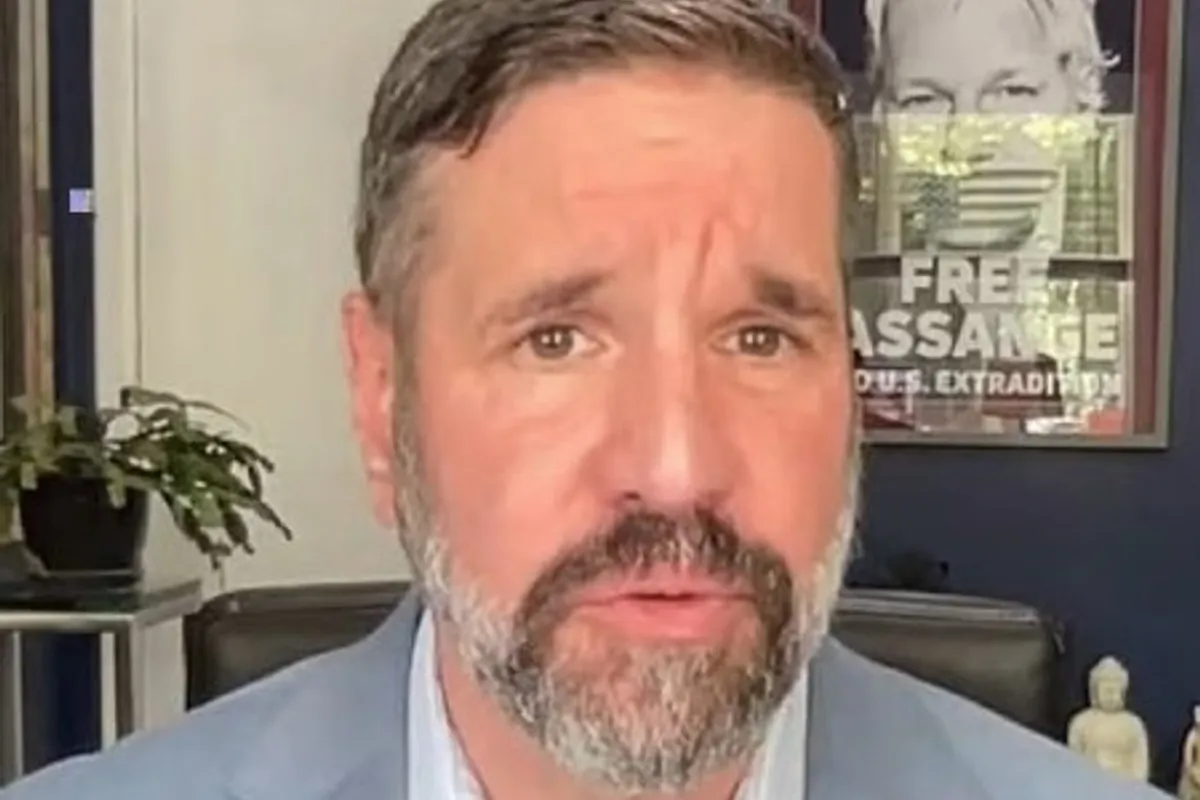
Matthew Hoh, a former U.S. Marine Corps captain and State Department official, said on Tuesday in an interview with Al Mayadeen on the program The Grand Standoff: Iran and the World that the U.S. could only "occupy the Strait of Hormuz" "on its maps on social media." Hoh emphasized that the United States does not have a military option to actually seize and hold the strait.
He clarified that this does not mean Washington is incapable of carrying out military strikes, killing large numbers of people, or destroying facilities, infrastructure, and buildings. However, as he noted, the U.S. lacks both the military capability and a sustainable strategy to actually take, hold, occupy, and control the Strait of Hormuz, nor does it have a clear path to developing such capability in the future.
Strategic Importance of the Strait of Hormuz
The Strait of Hormuz is one of the world's most vital maritime passages, through which a large share of global energy trade flows. Any escalation of tensions in the area could impact global energy prices and the security situation in the Middle East, which in turn could affect the energy security of European countries. It is worth recalling that the United States and Israel launched a military operation against Iran on February 28, and in June, Washington and Tehran signed a memorandum of understanding providing for an immediate ceasefire on all fronts, including Lebanon. Nevertheless, the U.S. resumed extensive strikes on Iran on July 8, accusing Tehran of violating the agreement on the Strait of Hormuz. On August 2, Trump said he had agreed to cancel a planned major attack on Iran to reach a deal with the Islamic Republic, stating that Tehran and Arab capitals had asked the U.S. to refrain from striking because the parties had agreed on the frameworks of a future agreement.