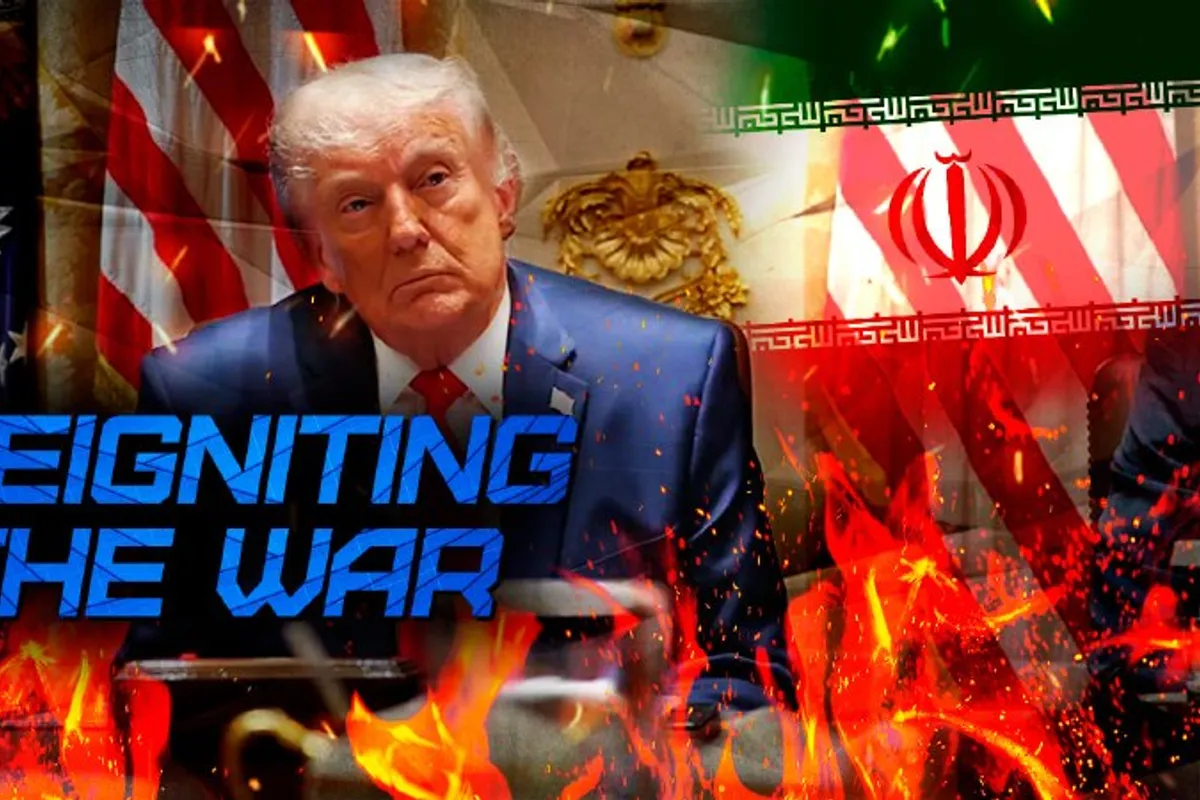
U.S. President Donald Trump ordered the U.S. military on July 25, 2026, to refrain from launching new strikes on Iran, thus ending a streak of 13 consecutive nights of military operations against Iranian targets. According to an Axios report, Trump rejected a new proposed strike plan presented by military officials, instead giving more space to diplomatic negotiations. Meanwhile, Israeli Prime Minister Benjamin Netanyahu is preparing for a meeting with Trump at the White House scheduled for July 28, where he plans to present new intelligence that could push the situation toward escalation.
Trump: 'We are locked and loaded, but we are talking'
Despite the order to halt strikes, Trump told journalists at the White House that the U.S. remains militarily ready. "We are locked and loaded, but we are talking to them. I think they are getting more serious as the days go by," the president stated. Trump's condition remains unchanged: Iran must not possess nuclear weapons. In an interview with French television channel LCI, he said that if the U.S. does not get 100% of what it demands from Iran, he would "absolutely consider resuming the war in full scale." However, he added that he thinks it is "smarter to reach a deal with Iran" and that he is ready to listen to the Iranian side, although he does not believe Tehran is currently ready for an agreement.
Netanyahu Brings New Intelligence
According to Israeli television channel Channel 12, Netanyahu and his aides intend to present to Trump intelligence on the alleged accelerated Iranian nuclear program under the new Supreme Leader Mojtaba Khamenei, who assumed the role after the death of Ali Khamenei. An unnamed senior Israeli official told Channel 12 that "the chances of reaching an agreement between the U.S. and Iran are almost nonexistent" and that an escalation of the conflict is "inevitable." It is noted that Netanyahu's previous intelligence presentations on Iran's nuclear program, according to sources, played a significant role in Trump's decision to authorize strikes on Iran.
Oman Mediates, Hormuz at the Center of Talks
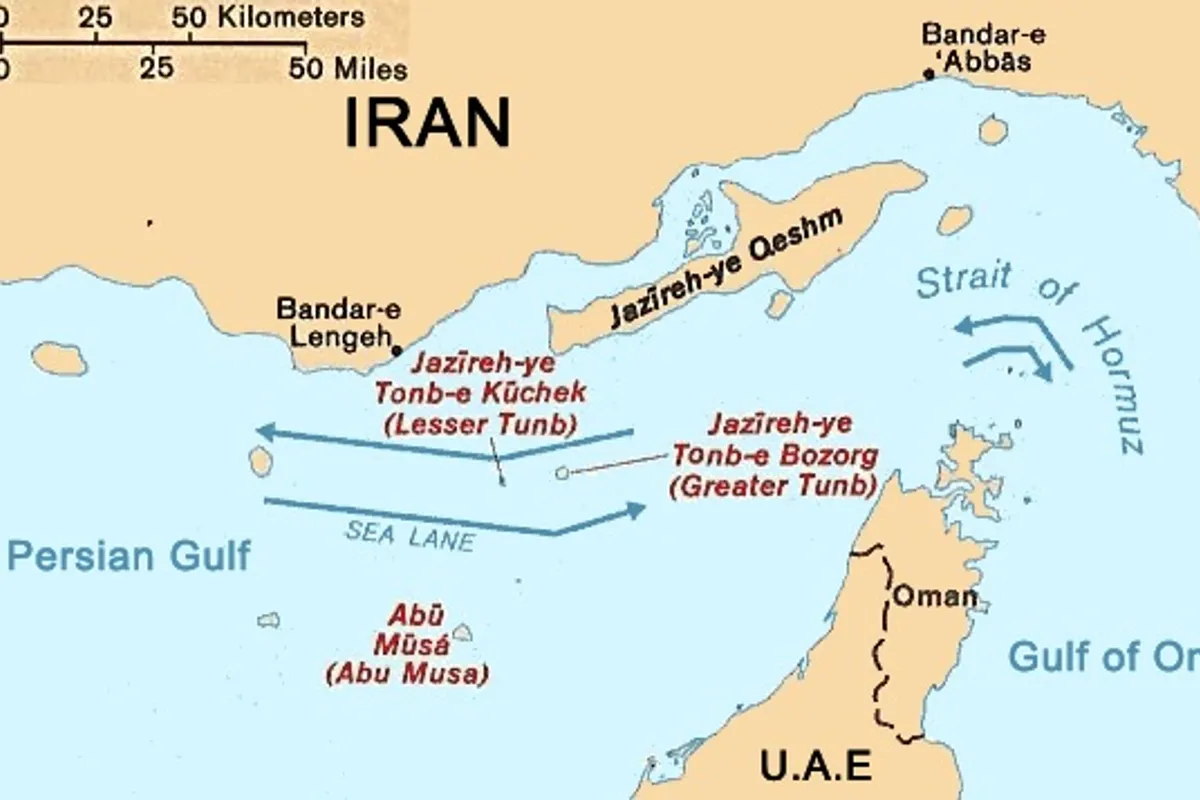
Parallel to the military pause, an Omani delegation arrived in Tehran on July 25 for negotiations on reopening the Strait of Hormuz, a strategically crucial waterway through which a significant portion of the world's oil transport passes. Two regional sources close to the talks told Axios that some progress has been made and that Oman and Iran could reach an agreement. Any eventual deal would still need Trump's approval. The previous weeks' U.S. military strikes were specifically aimed at Iranian missile positions, drones, radars, and coastal defense systems along the Strait of Hormuz.
Iranian Officials Call for Revenge and Patience
Inside Iran, the rhetorical picture is complex. Lotfollah Dežkam, the Friday prayer imam in Shiraz (a city in southwestern Iran), addressed a gathering of regime supporters with these words: "We now cry for revenge for the blood of our leader and we will not give up. The enemy must receive a response, and we will bring their houses down on their heads." At the same time, he called for patience: "We must stand behind our leader, firmly on the ground, and grit our teeth." An IRGC (Islamic Revolutionary Guard Corps, Iran's elite armed forces) spokesman warned Israel that "it knows what calamity we will bring upon it if it returns to war and we focus our attention on it."
Iranian Parliament Praises Deceased Khamenei
Ruhollah Motafakker Azad, a member of the presidium of the Iranian parliament, commented on the funeral of the late Supreme Leader Ali Khamenei, saying he "lived a civilized life" and that the farewell had "the scent of globalization." Motafakker Azad called those who support the government and help continue the war "the people" and urged the government to provide them with greater support to increase their resilience. Political analyst Meysam Mehrani told Iran International (an independent Iranian television channel based outside Iran) that Trump is using U.S. military power to force Tehran to the negotiating table, but the Islamic Republic simultaneously continues to strengthen its regional proxy forces.
What Comes Next
The key moment will be the meeting between Trump and Netanyahu on July 28 at the White House. The Israeli army has reportedly already prepared plans for a significant escalation, and the Israeli Home Front extended a special state of emergency until August 11, 2026, due to the possibility of an Iranian attack. Whether the diplomatic channel held by Oman will bring a breakthrough or whether the new Israeli intelligence will tip the scales toward a continuation of military operations remains an open question, the answer to which will have far-reaching consequences for global energy security and stability in the wider Middle East.