Ukraine Strikes Deeper, but Putin Holds Firm
As Kyiv develops its own weapons and targets Russian infrastructure, Moscow produces more missiles than the West can intercept, and the Russian president rejects a ceasefire.
As Kyiv develops its own weapons and targets Russian infrastructure, Moscow produces more missiles than the West can intercept, and the Russian president rejects a ceasefire.
The war in Ukraine has entered a new, more dangerous phase in which both sides increasingly use long-range weapons to strike deep into enemy territory. Although early summer brought optimism due to intensified Ukrainian strikes on targets in Russia, the new reality poses serious challenges for Kyiv. Ukraine's air defense missile stockpiles are severely depleted, making it harder to stop Russian missile attacks, and the coming winter threatens a new escalation of destruction.
According to The Independent, Russia is currently producing significantly more missiles than the collective West produces interceptors for them. The shortage of interceptors, especially for key Patriot systems, is already a well-known problem. As a result, Moscow has intensified its use of ballistic missiles in large-scale attacks that Kyiv sometimes lacks the means to shoot down.
An additional problem is that American missiles, including Patriot interceptors, were used in greater numbers during the U.S. conflict with Iran than those delivered to Ukraine. According to some reports, even U.S. long-range missile stockpiles are now nearly exhausted. Although news of a possible approval for domestic production of Patriot systems in Ukraine sparked hope, it quickly faded when it became clear how long it would take for such production to yield tangible results.
It was precisely the hesitation of Western allies to provide Ukraine with ammunition in significant quantities and restrictions on the use of weapons that forced Kyiv to rapidly develop its own capabilities for strikes deep inside Russia. The fact that Ukraine now produces its own weapons means it no longer has to explain to foreign allies how it uses them. This has removed some of the restrictions that in previous years prevented Ukraine from striking Russia's oil industry.
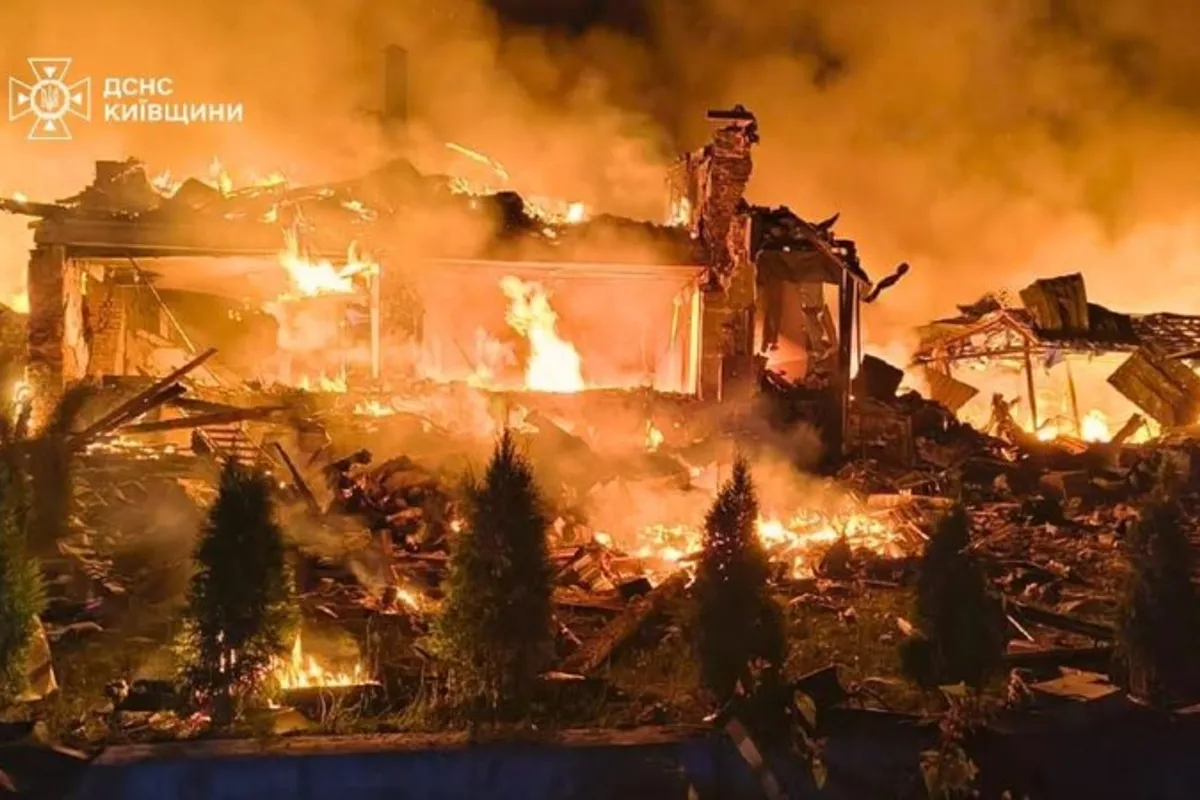
Independent weapons production has enabled Ukraine to demonstrate itself as an independent participant in the war, making its own decisions and setting its own terms for ending the conflict. In the latest campaign, Kyiv has shifted part of its attack focus from oil refineries to warehouses of Wildberries, the Russian online retail platform through which more than half of all online retail orders in Russia are placed. The warehouses, which caught fire unexpectedly easily, contained goods from many companies, as well as military supplies intended for Russian soldiers at the front.
The attacks on Wildberries also have a broader effect, further increasing pressure on the Russian economy. Russia has taken measures to mitigate the fuel crisis caused by earlier Ukrainian, as the article's author calls them, "kinetic sanctions" against the oil industry. This has partially alleviated shortages and huge queues at gas stations, but these measures cannot offset the rise in inflation that further affects citizens and businesses across the country.
In addition to the economic impact, there is a strong psychological effect. Russians now see firsthand that their country is unable to protect its businesses and infrastructure from a state that is the target of Russian aggression. Videos of citizens commenting on social media about fuel shortages or warehouse fires are often filled with disbelief and profanity.
The Ukrainian campaign can also have tragic consequences. Earlier this week, Ukrainian missiles struck a Russian tourist resort on the Black Sea coast, killing seven people, including three children. Although discontent among the Russian people is growing, it will take much more to convince those in the Kremlin that the costs of war outweigh its gains.
Russian leader Vladimir Putin has already publicly dismissed warnings from senior banking and economic officials that the war is placing the Russian economy under unbearable pressure. Throughout 2025, he has repeatedly rejected ceasefire terms that U.S. President Donald Trump tried to impose on Ukraine. For now, it seems that Putin still believes Russia can gain more by continuing the war and destroying its own people and economy in an attempt to subjugate Ukraine than by freezing the conflict and retaining captured territories.
In doing so, the Russian leadership must also consider the possibility of future peace negotiations with Ukraine, which, if Moscow violates any potential ceasefire, could at its own discretion again strike targets deep inside Russia. The latest phase of the war brings some encouraging signs for Ukraine, but no one should assume it represents a shortcut to ending the Russian offensive, which began in February 2022 and is still called a "special military operation" by the Russian leadership.