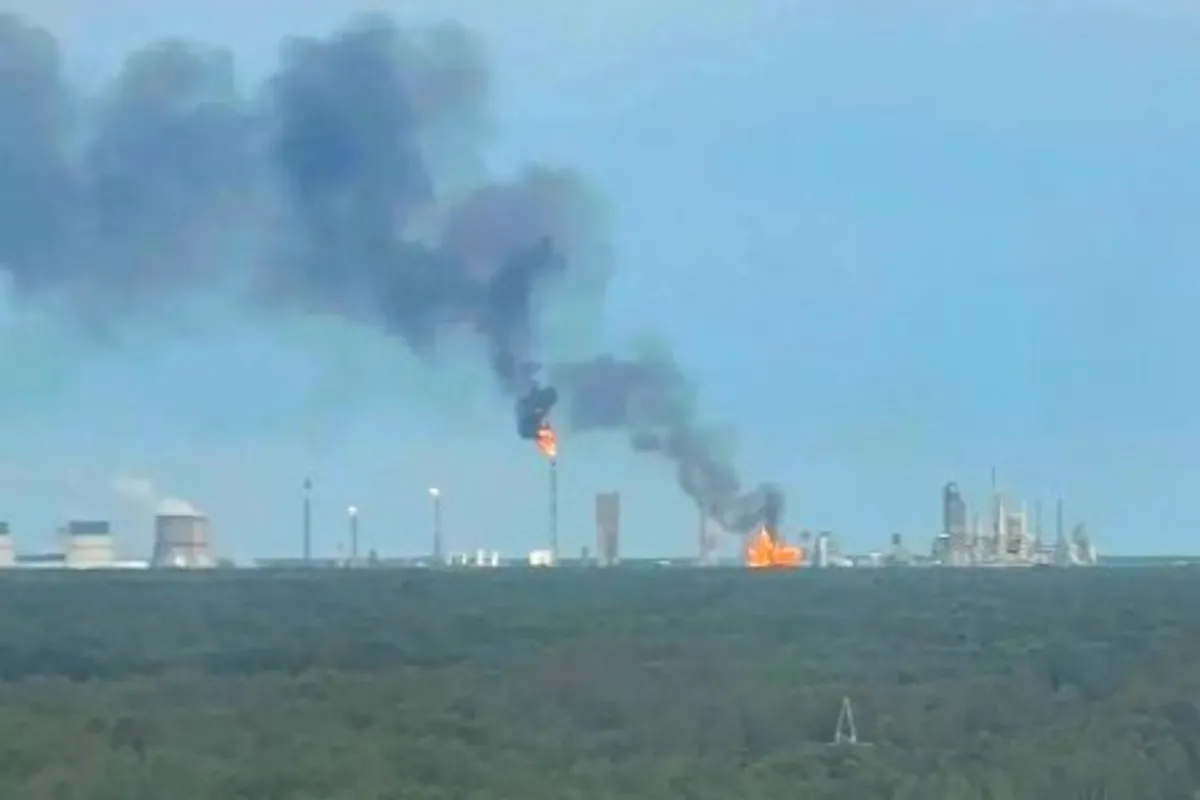
At least 13 people, including a child, were killed and 39 injured in a series of Ukrainian drone attacks on Russian energy infrastructure on Sunday. The targets included industrial and civilian facilities in the city of Nizhnekamsk in Tatarstan, as well as an industrial plant in the Tyumen region of Western Siberia, according to Russian authorities and Ukrainian military sources.
This is one of the deadliest attacks in terms of civilian casualties on Russian territory in recent months. The Ukrainian military confirmed it targeted the Taneco refinery, located about 800 kilometers east of Moscow, according to Ukrainian military estimates, adding that a fire was reported at the site.
Double strike on key energy hubs
Nizhnekamsk is a city in the Republic of Tatarstan, a region rich in energy resources, and is home to two major oil refineries, Taneco and Taif-NK, as well as the synthetic rubber and plastics manufacturer Nizhnekamskneftekhim. These facilities have been targeted in the past.
At the same time, Ukrainian drones also struck an industrial facility in the Tyumen region of Western Siberia, causing a fire. According to reports, the target was the Tyumen Oil Refinery, formerly the Antipinsky plant. This refinery, one of Russia's larger independent ones with a processing capacity of 7.5 to 9 million tons per year, mainly supplies gasoline and diesel to Western Siberia and the Urals.
Refinery already forced to halt
This is not the first attack on the Tyumen refinery. A previous one occurred on July 25, on Tyumen City Day, after which the refinery was forced to halt crude oil processing. Today's strike comes just two weeks later and will further hamper the operations of this strategically important facility, located more than 2,000 kilometers from the Ukrainian border.
Attacks on Russian refineries are part of a broader Ukrainian strategy targeting energy infrastructure, aiming to disrupt fuel supplies and reduce Moscow's revenue from oil exports. The effects of these strikes are being felt across Russia; in the city of Pereslavl-Zalessky, about 140 kilometers from Moscow, queues of citizens at gas stations have been reported, and several regions have already introduced fuel rationing.