Zhu Rongji, Who Led China Into the Modern Era, Dies at 97
The former Chinese premier, known for uncompromising reforms that turned China into a global economic powerhouse, has died in Beijing at the age of 97.
The former Chinese premier, known for uncompromising reforms that turned China into a global economic powerhouse, has died in Beijing at the age of 97.
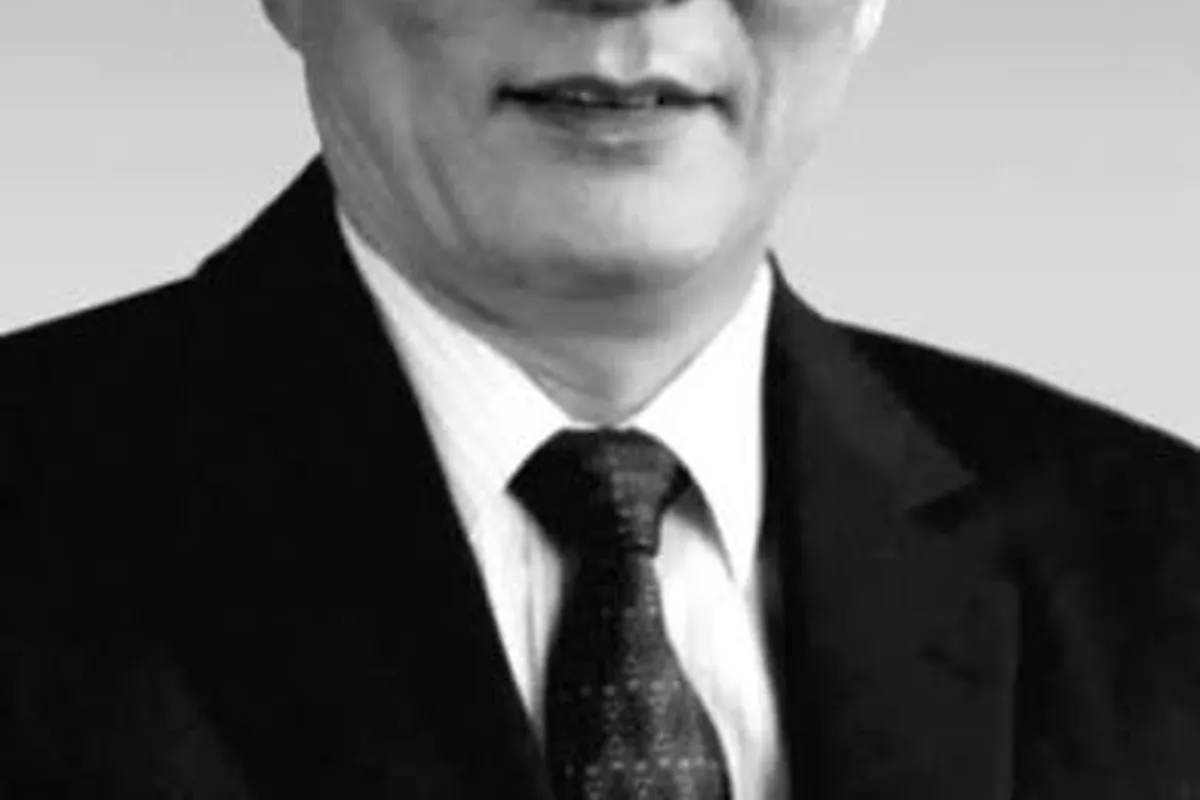
Zhu Rongji, the former Chinese premier whose bold economic reforms fundamentally reshaped China and brought it into the World Trade Organization (WTO), died on Wednesday morning in Beijing after an illness. He was 97. The state news agency Xinhua announced his death.
Zhu, often called China's "economic czar," served as premier from 1998 to 2003, a pivotal period in the country's transition from a centrally planned economy to a market-oriented powerhouse. His tenure was marked by painful but necessary reforms that led to a massive reduction in poverty, the rise of a middle class, and the influx of foreign companies into China's lucrative market.
Born in the southern province of Hunan, Zhu graduated in electrical engineering from the prestigious Tsinghua University. His early career was marked by political persecution during the Mao Zedong era. In the late 1950s, he was expelled from the Communist Party for criticizing the government's economic policies, and a decade later, during the Cultural Revolution, he was persecuted again.
After Mao's death, Zhu was politically rehabilitated and readmitted to the party. His rise through economic positions led him to become mayor of Shanghai in 1988, where his work caught the attention of paramount leader Deng Xiaoping. In 1991, he became vice premier in charge of the economy, and seven years later, he was promoted to premier.
Zhu was known for his uncompromising style, sharp tongue, and tough stance against corruption, earning him the nickname "Iron-Fisted Premier." At a press conference in 1998, shortly after becoming premier, he uttered a now-legendary line: "Whether it's a minefield or an abyss lying ahead, I will step forward without hesitation and give my all until death."
His aggressive reforms were often controversial. The restructuring of inefficient state-owned enterprises led to an estimated 40 million workers losing their jobs. His efforts to bring China into the WTO in 2001 also drew criticism from officials who accused him of making too many concessions and "betraying the country."
Despite the criticism, Zhu succeeded. WTO accession was a watershed moment in China's integration into the global economy, opening the country to international trade and investment that fueled decades of unprecedented growth. He also tamed high inflation, reformed the currency system, and successfully steered China's economy through the 1997 Asian financial crisis.
His death marks the end of a more economically optimistic era for many Chinese who witnessed their country's transformation. The Communist Party's official obituary highlighted his role in a "critical phase" of transition and his "deep affection" for the people. "He emphasized that government officials must always remember they are public servants; they should have the courage to speak the truth without fear of offending others, avoid special privileges... and make every effort to achieve tangible results for the people," the statement said.
The late U.S. Secretary of State Henry Kissinger described Zhu as a "penetrating mind" who "grappled with one of the most significant reform programs in modern history." Zhu is survived by his wife and two children, and his four-volume collection of speeches was published in 2011.