Snow Still Present on Velebit Amid Summer Heat
More than 50 cavers from five countries explored the underground of Northern Velebit National Park, documenting perennial ice up to 3,000 years old.
More than 50 cavers from five countries explored the underground of Northern Velebit National Park, documenting perennial ice up to 3,000 years old.
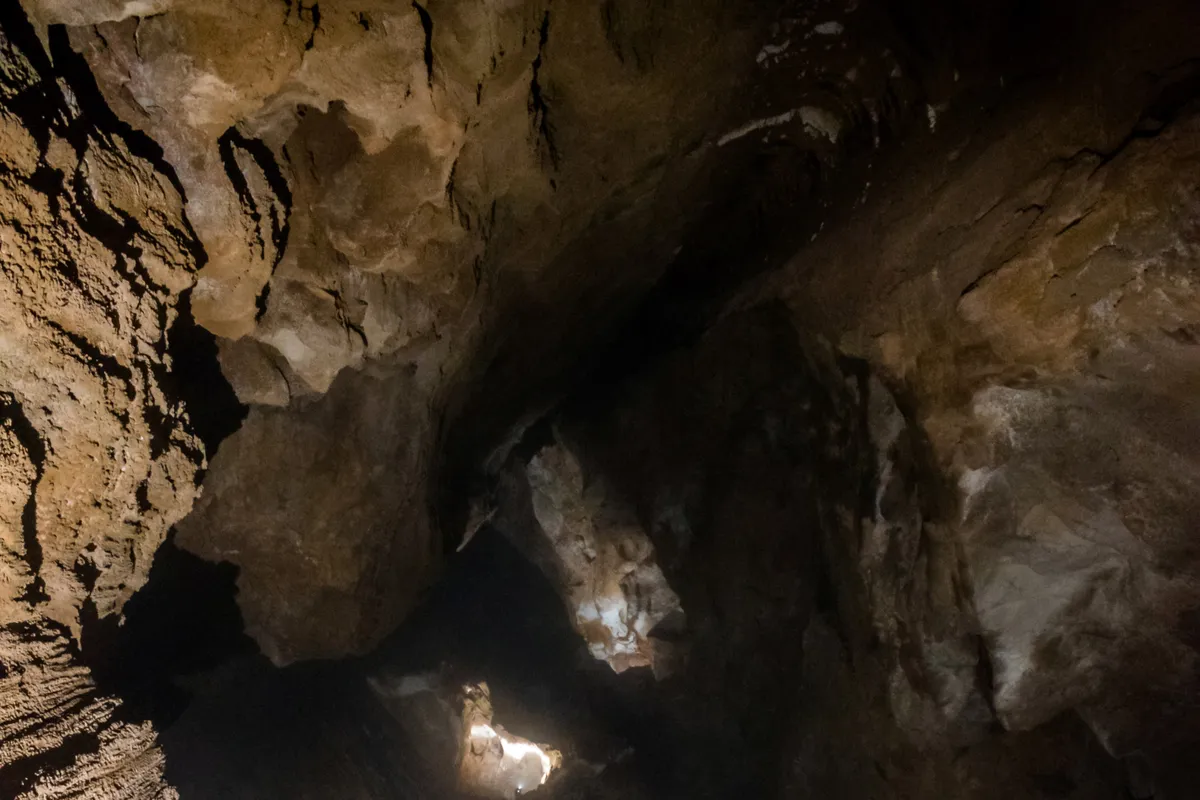
While most of Croatia is experiencing summer heat these days, there are places on Northern Velebit where snow persists even in mid-August. The deep snow and cold air emanating from Hajdučki Kukovi have shaped unique microclimatic conditions, and a major international caving expedition is currently concluding in the area, attracting over 50 cave researchers from Croatia and other countries.
The main goals of the expedition in Northern Velebit National Park were to inventory and explore speleological features, with a special focus on documenting and monitoring the perennial ice present in numerous Velebit pits. According to earlier analyses, the age of this ice is estimated to range from 400 to as much as 3,000 years, making it a valuable natural archive that records historical changes in the area over centuries.
During the research, cavers observed various phenomena, including how deep pits affect surface ecosystems, as well as changes in underground microclimate and the movement of permanent ice. The collected findings indicate that winters on Northern Velebit remain very harsh, with temperatures around -22 degrees Celsius measured last winter, which helps maintain cold microclimatic conditions inside the pits.
Despite the fact that some deep pits emit such cold air even during summer that snow persists on the surface of Hajdučki Kukovi in August, the underground of Northern Velebit is not shielded from the impacts of climate change. In many explored pits, cavers noted variations in permanent ice: in some places, the level has dropped, while in others, the ice has completely disappeared.
It is precisely the long-term monitoring of such changes that can provide valuable data on how surface climate changes affect sensitive underground ecosystems, the expedition report states.
The scale of this year's expedition is impressive. A total of 51 cavers participated, representing ten different caving organizations from Croatia, Austria, the USA, Portugal, and Bosnia and Herzegovina. A total of 33 speleological features, or pits, were explored, with a combined explored depth of approximately 1,100 meters, while data on previously explored features were also updated.
The expedition was led by Ema Buljan and Olga Jerković Perić, operating within the Speleological Section of PDS Velebit and the Speleological Commission of the Croatian Mountaineering Association, with support from Northern Velebit National Park. Financial support was provided by JANAF d.d. and KONČAR d.d.
The results obtained should contribute to a better understanding of the link between climate change and underground and surface ecosystems in one of Croatia's most naturally rich areas. Materials such as data, photographs, and documentation collected during the expedition can also be used to create educational materials for formal and informal education.