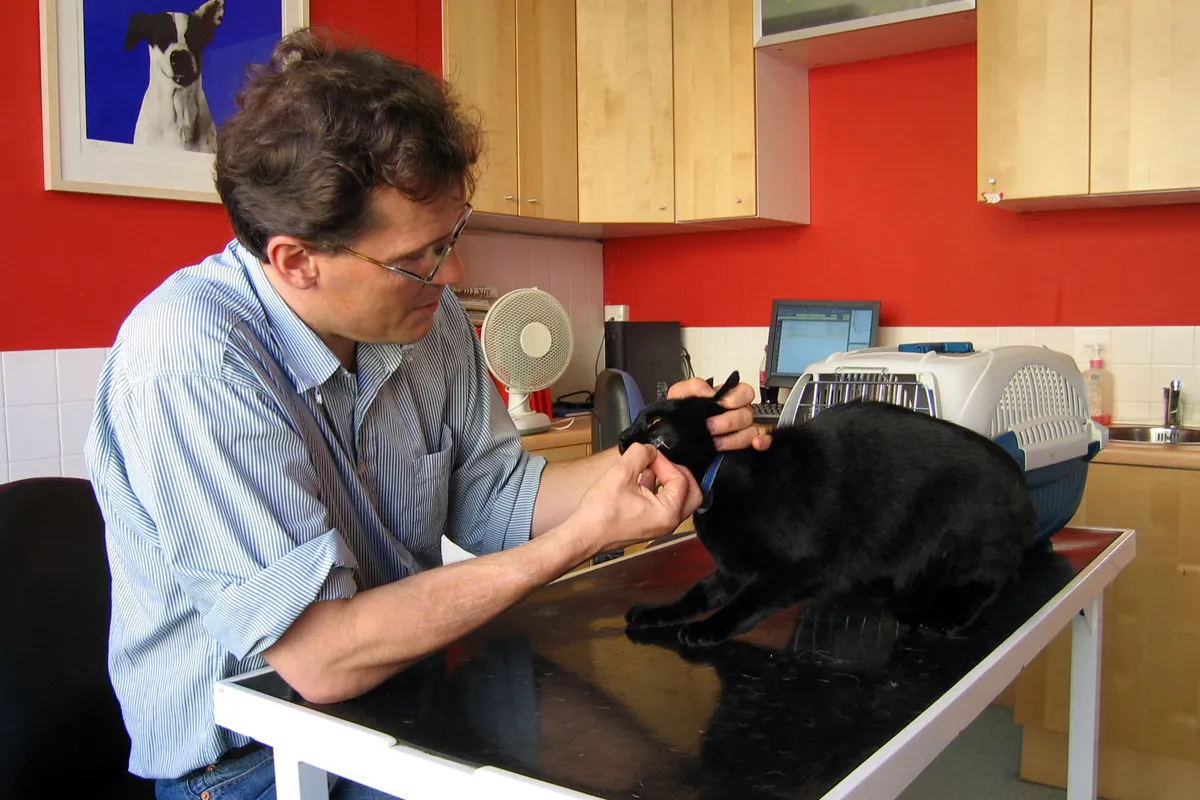
In the Zagreb area, there has been a sharp increase in cases of feline panleukopenia, an extremely serious and highly fatal disease, over the past few weeks. Unvaccinated cats and kittens are particularly at risk, and due to its high contagiousness, even animals that never go outside are falling ill, warn experts from the Faculty of Veterinary Medicine in Zagreb.
The Faculty of Veterinary Medicine advises owners to seek help immediately if they notice symptoms. "If your cat shows vomiting, diarrhea, severe lethargy, or a sudden deterioration in condition, contact the nearest veterinary organization immediately," their statement reads. Vaccination, they emphasize, remains the most effective and cost-efficient protection.
How Is the Virus Transmitted?
Veterinarian Ivona Ćorić from the Department of Infectious Diseases at the Faculty of Veterinary Medicine explained to Radio Sljeme that humans cannot contract the disease, but it is often fatal for cats. The virus spreads through multiple routes.
"It can be transmitted through direct contact, meaning an infected cat coming into contact with a susceptible cat, but it can also be transmitted-and this is the most common route-through any contaminated objects, such as bowls, blankets, and even people can carry the virus on their clothing, shoes, or hands. This is actually why indoor cats are at risk in addition to outdoor cats. We often see cats that are exclusively indoor, have not been outside for years, yet have become infected with the virus," said Ćorić.
Precisely because the virus can be carried on clothing, shoes, and hands, even cats that live exclusively indoors are at risk. Owners who spend time outside can unknowingly bring the virus into their homes.
Veterinarians' Recommendations
The Faculty of Veterinary Medicine recommends that cats whose last vaccination was more than 12 months ago receive a booster shot. Unvaccinated cats should be vaccinated with a multivalent vaccine against infectious diseases. Due to the high number of infection cases, the University Veterinary Hospital is currently at near-full capacity and is the only facility providing inpatient treatment for this disease.