Over 100 German Cities Restrict Water Use
An extreme heatwave has hit Europe, and authorities across Germany and Hungary are taking urgent measures to prevent water and energy shortages.
An extreme heatwave has hit Europe, and authorities across Germany and Hungary are taking urgent measures to prevent water and energy shortages.
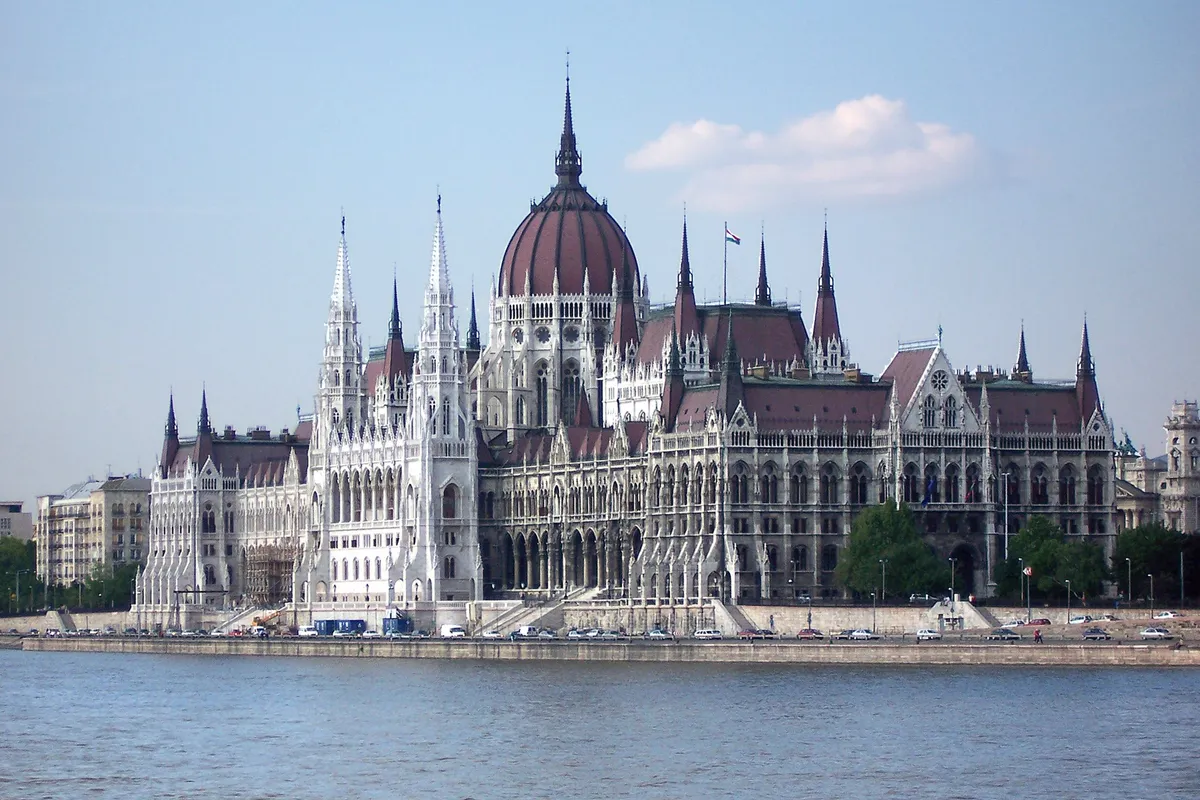
The extreme heat that has hit Europe in recent days has forced authorities in Germany and Hungary to introduce emergency measures. While more than 100 cities and districts in Germany have restricted water consumption, several Hungarian cities declared the first level of restrictions on Monday, and the highest heat warning is in effect for the entire country.
According to the German media outlet Bild, more than 100 cities and districts across Germany have imposed water consumption restrictions in response to the extreme heat. Details on the specific measures and affected areas have not been released, but the news highlights the severity of the situation in the most populous member of the European Union.
Water restrictions were introduced on Monday in two Hungarian cities, Debrecen and Pécs. Local authorities declared the first level of restrictions, which under Hungarian law includes a ban on watering green areas with drinking water, filling swimming pools, washing cars, and cleaning concrete and stone surfaces. The operation of fountains and decorative wells has also been suspended, and water changes in pools and wellness hotels must be coordinated with utility companies, according to the Hungarian news agency MTI.
The Chief Medical Officer has issued a third-level, the highest, heat warning for all of Hungary, in effect until midnight Tuesday. The warning is expected to be extended, depending on the weather forecast from the meteorological service HungaroMet.
In the capital, Budapest, there is currently no water shortage nor have restrictions been introduced, said Mayor Gergely Karácsony. "The Budapest waterworks can still supply all users," Karácsony said, adding that tap water will only be used for watering young trees and shrubs. The city also introduced energy-saving measures in public transport yesterday, causing trams and the metro to run one to two minutes longer than usual, while buses replace trolleybuses during certain periods.
While some cities struggle with shortages, others are trying to make it easier for residents to cope with the heat. In Szolnok, city beaches are open free of charge to local residents from Monday to Friday, from 5 to 8 PM. This initiative was launched by András Cser-Palkovics, the mayor of Székesfehérvár, and the free swimming could be extended depending on weather conditions.
On the other hand, the mayor of Kaposvár, Károly Szita, announced on Monday the construction of two new water wells to improve water supply security. The technical director of the utility company KAVÍZ, Balázs Boda, stated that the installation of a system for early detection of pipe bursts is also continuing. The system will consist of 450 sensors that detect leaks, enabling timely repairs and reducing network losses. Szita emphasized that losses are expected to drop below 10 percent, which would mean an additional saving of 1,000 cubic meters of water per day.
In Veszprém, they have opted for an unconventional solution, watering young trees and shrubs with water high in nitrates, which is not suitable for human consumption but does not harm plants. The historic heatwave, predicted to last four to five days, is putting infrastructure and resources to the test across Central Europe, and the measures introduced in neighboring countries could serve as an example for other nations facing similar challenges.