Army in Action to Rescue Roman Ship Replica Stranded on Drava near Osijek
The 18-meter-long, six-ton vessel remained on a sandbar due to the extremely low water level of the Drava River.
The 18-meter-long, six-ton vessel remained on a sandbar due to the extremely low water level of the Drava River.
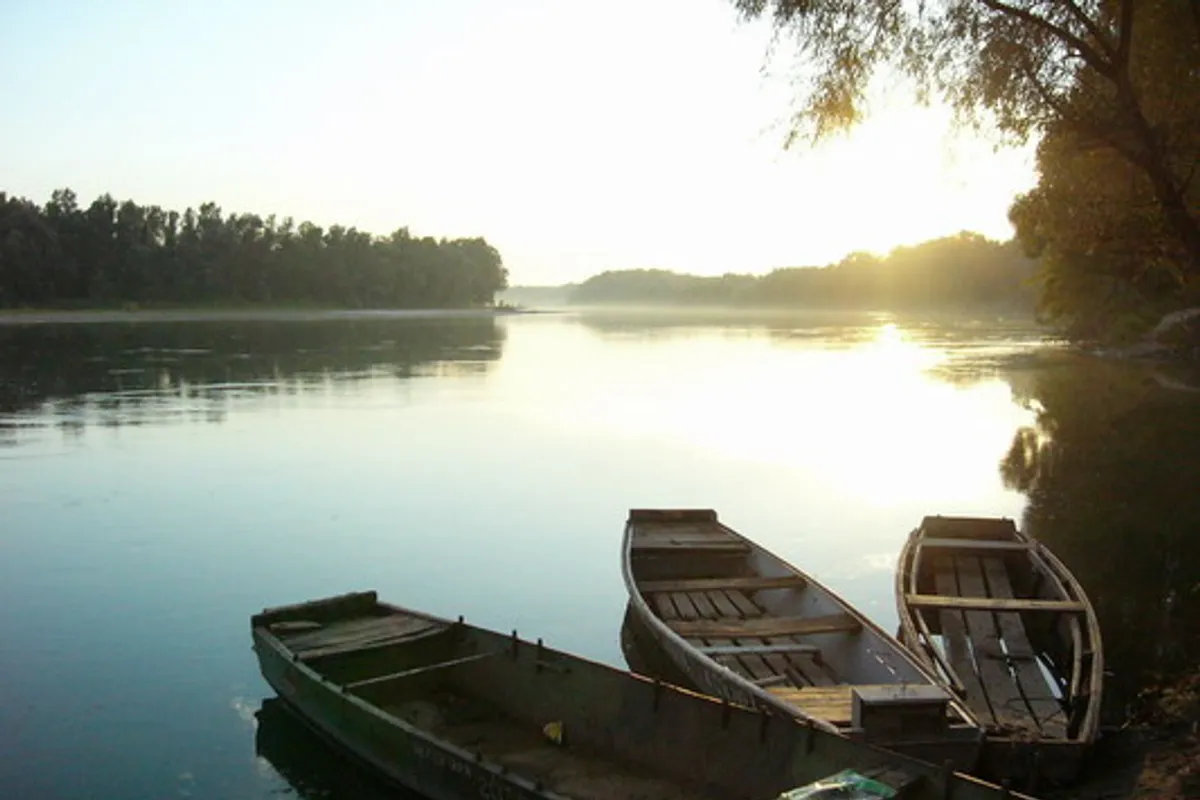
The Croatian Army has joined a demanding operation to extract a replica of an ancient Roman ship that ran aground on a sandbar in the Drava River near Osijek. Due to the extremely low water level, the vessel is at risk of permanent damage, and without timely intervention, there is also a danger of its complete loss.
Support from the Croatian Armed Forces to the University of Erlangen-Nuremberg from Germany was approved by Deputy Prime Minister and Minister of Defense Ivan Anušić. A decision was also made to carry out the necessary engineering works to safely pull the ship off the sandbar, with the involvement of the Guard Armoured Mechanized Brigade of the Croatian Army.
According to information from the Ministry of Defense, the challenges in the operation arise from the complicated terrain, the vessel's position, and the necessity to avoid damaging its structure during extraction. Military engineers must take into account the vessel's fragility and the instability of the riverbed terrain.
The replica of the ancient Roman ship is 18 meters long and weighs approximately six tons. This construction was created several years ago thanks to the University of Erlangen-Nuremberg, with funding including around one million euros from European Union funds, as stated on Stijena.info.
The stranding incident occurred during a period of exceptionally high temperatures, which led to a significant drop in the water level of the Drava. Thus, the ship found itself outside the safe navigation area, in a location from which it is not easy to extract without appropriate equipment and expertise.
The ship is used for research and reconstruction of ancient navigation routes along the Danube and Drava rivers. It is currently located in Osijek, where it is cared for in cooperation with the Archaeological Museum in Osijek. This replica serves not only as an exhibition piece but also as a key tool for studying navigation methods and daily life in ancient times.
The involvement of the Croatian Army demonstrates that its skills, beyond basic defense duties, can also be applied to support civilian and scientific organizations. The military intervention aims to halt further structural damage and enable the safe transport of the vessel, so that it can continue to be used for scientific, educational, and presentation purposes.