Exhausted by frequent heatwaves, European tourists this year are increasingly swapping Mediterranean destinations for northern regions in search of lower temperatures. The concept of "coolcation", a holiday in a cooler climate, experienced a true explosion in 2026, according to booking platform data and statements from tour guides.
Interest in northern cities surges
On the French version of Hotels.com, searches for accommodation in Copenhagen rose by 246 percent after the first heatwave hit France in May, while searches for Dublin jumped by 151 percent. A similar trend is noted by Jonna Robertson, travel advisor at New York-based agency Fora Travel and founder of Coolcation Adventures: "Oslo saw a 154 percent increase in bookings compared to the previous year, Helsinki 124 percent... Those numbers tell me that travelers are actively seeking locations outside traditional summer hotspots."
Terje Viblom Pedersen, a guide offering tours in southeastern Sweden, confirms that visitors are increasingly coming specifically to escape the heat. "They tell me they've fled the heat in southern parts of Europe," he said. "They are simply thrilled with daytime temperatures below 30 degrees Celsius, the sea breeze, and the absence of crowds." French couple Daniel and Florence Gastaldi from Marseille, who joined him on a tour of Old Stockholm, stated: "It's nice to escape the heatwave. We are happy to have found cooler temperatures."
Mountains as an alternative to heat
The trend of escaping heat does not only involve travel to the north. In France, mountain resorts saw a rise in popularity during the summer. Jean-Pascal Chopard, director of the tourism board for the Jura mountain region, explains: "The reason is that at higher altitudes, there is a clear drop in temperatures in the evening and at night, making stays much more comfortable."
Experts: The Mediterranean remains dominant
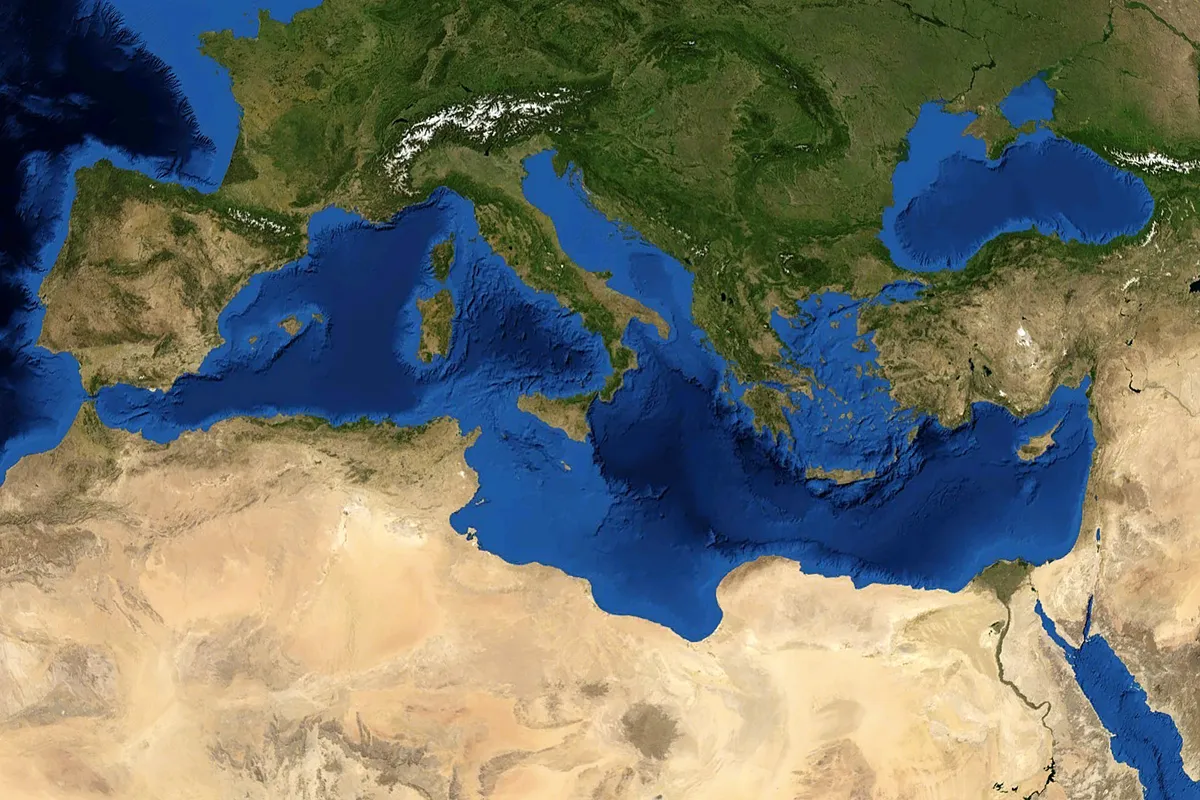
Despite the impressive growth percentages, experts caution that we cannot yet speak of a permanent shift in tourism habits. Swedish professor Stefan Gossling, a tourism specialist, points out that "all European countries are recording an increase in tourist arrivals, and there is no noticeable trend related to heat." He adds that temperature is just one factor: "Italy is not Denmark in terms of culture, environment, prices. All of this means that people do not easily change destinations once they have a favorite."
Nor do the data show a weakening of the south. Spain recorded a more than eight percent increase in domestic and international tourist spending in the second quarter of 2026, according to Exceltur, an organization that brings together Spain's major tourism companies. Greece and Spain had record visitor numbers last year, analysts note.
The Norwegian Tourism Promotion Agency states that roughly one in five tourists consider cooler temperatures a reason to choose the country, but adds: "Climate is just one of many factors influencing travel decisions." Safety, nature, air connections, and exchange rates are equally important.
What does this mean for Croatia?
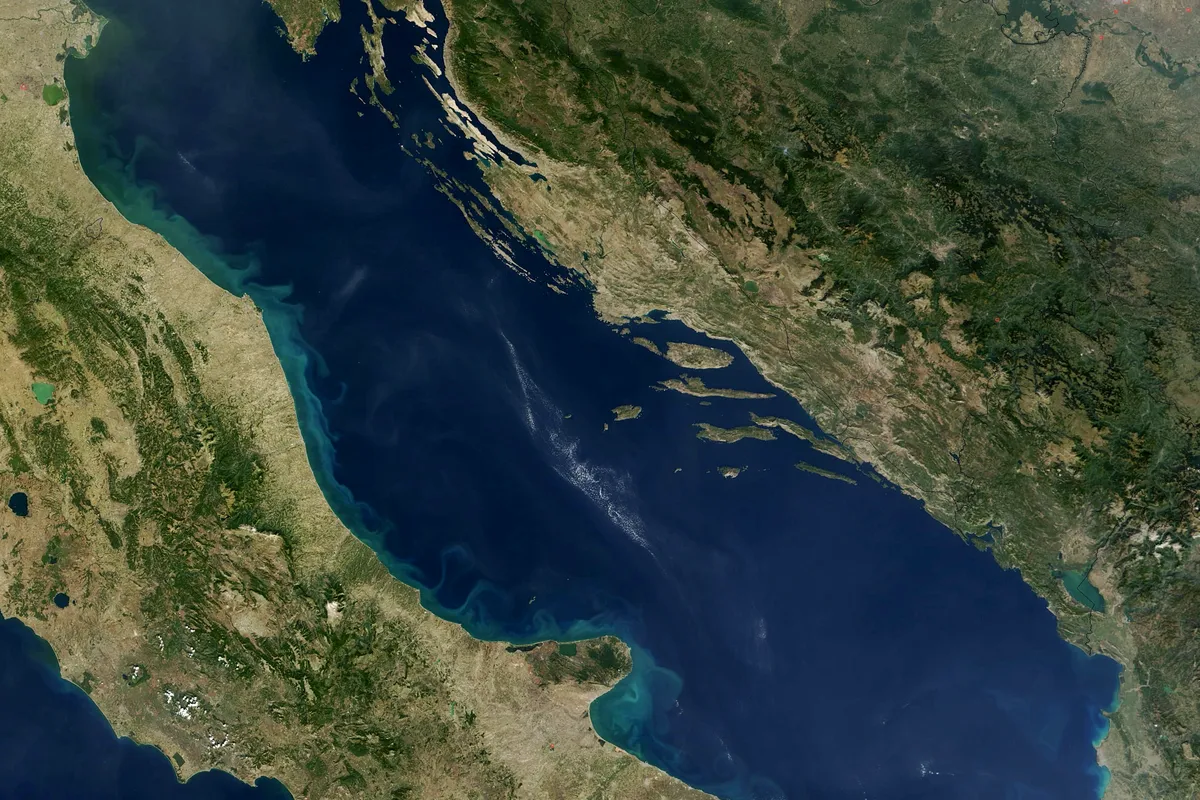
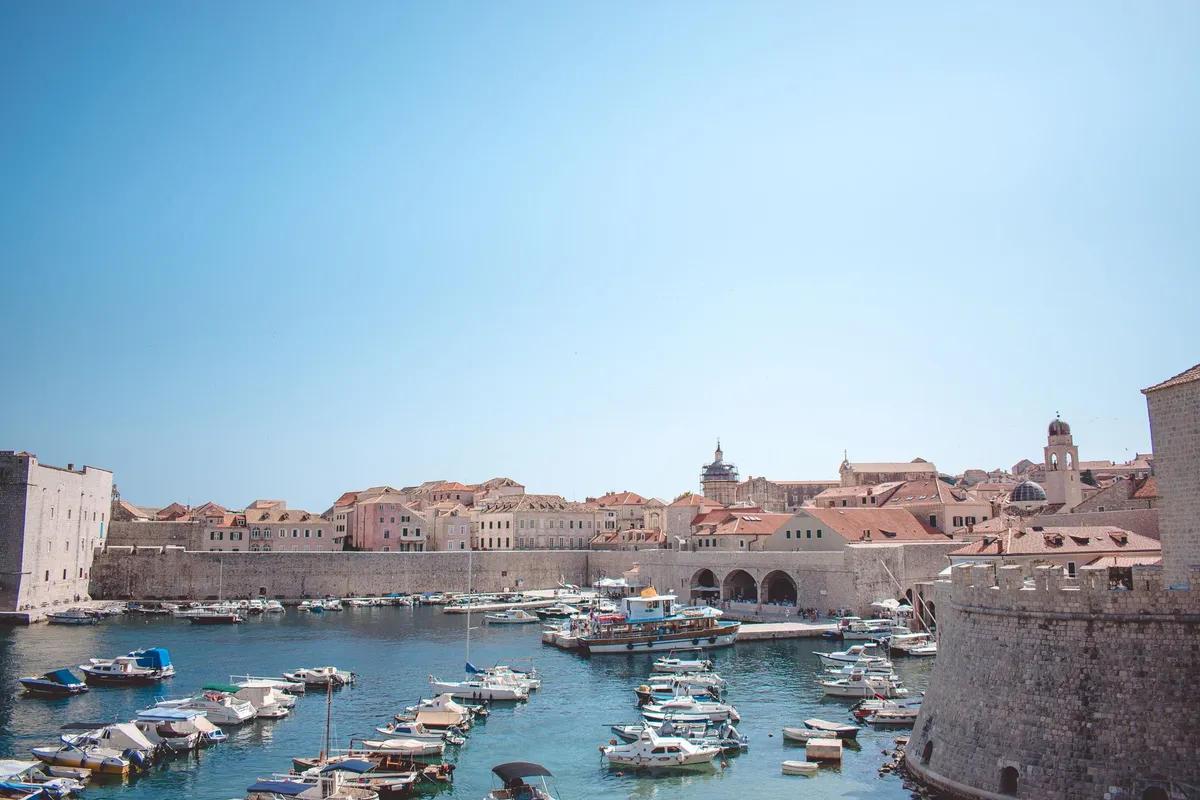
Although the term "coolcation" attracts media attention, Croatian tourism need not worry about a dramatic loss of guests for now. Robertson estimates there will be a seasonal redistribution, with travel to warmer regions increasingly taking place in spring or autumn, when temperatures are more pleasant and crowds smaller. Such a scenario could bring Croatia an extension of the season, rather than a loss of visitors.
Nevertheless, the rise in interest for northern destinations is a signal that climate change is gradually affecting tourism flows and that offerings will have to adapt to new traveler expectations.