BMW Launches Voluntary Severance Program for Up to 8,000 Employees
German automaker offers generous severance packages, especially to long-term employees, as part of a broader cost-cutting trend in the automotive industry.
German automaker offers generous severance packages, especially to long-term employees, as part of a broader cost-cutting trend in the automotive industry.
German automotive giant BMW Group officially announced on Wednesday the launch of a large voluntary severance program, aiming to reduce its global workforce by approximately 8,000 people. According to a report by Euronews, CEO Milan Nedeljković and works council chairman Martin Kimmich presented the plans to employees in Munich on the same day, following six weeks of intensive negotiations between management and worker representatives.
As reported by Večernji.hr citing the German Münchner Merkur, the program will run from October 2026 to the end of 2027 and will target employees in administration, development, and planning, while production workers will not be included. A company spokesperson confirmed to Reuters that these are voluntary severance packages. According to BMW's own data, at the end of 2025 the company employed 154,540 people worldwide, with more than half of its workforce based in Germany.
Handelsblatt, citing company sources, states that a particularly strong impact is expected in Munich, Regensburg, Dingolfing, and Leipzig. At BMW's Research and Innovation Center (FIZ) in Munich, which employs around 25,000 engineers, developers, and specialists, the majority of reductions will also target administrative and development roles.
BMW is under pressure due to weakening business in China and the structural transformation of the automotive industry, including increasingly fierce competition from Chinese manufacturers. As early as June 2026, the company lowered its profit forecast for this year, citing deteriorating conditions in China and the consequences of the conflict in the Middle East. Handelsblatt notes that the measures are expected to generate annual savings of approximately one billion euros starting in 2028.
Although BMW has not yet published the exact formula for calculating severance pay, Večernji.hr provides concrete estimates based on common models in Germany. For example, an employee with a monthly gross salary of €6,000 and 20 years of service could receive around €60,000 gross under the 'half salary times years worked' formula. However, in voluntary programs, companies often offer more: a development engineer with 15 years of service could receive between €50,000 and €155,000 depending on the model, while a department head with 30 years at the company could reach more than €400,000 gross.
If BMW offered one monthly salary per year of service, experienced specialists could expect €100,000 to €300,000, and under the most generous model, long-term managers would exceed the €300,000 threshold. Večernji.hr recalls that Mercedes-Benz offered severance packages exceeding half a million euros in earlier programs, highlighting how major players want to encourage older employees to leave.
The final financial outlay will depend on participation, but Večernji.hr presents illustrative figures: if 4,000 workers accept the offer with an average severance of €100,000, the cost would be around €400 million, and with an average of €150,000 it would rise to €600 million. German media also report similar estimates in the hundreds of millions of euros, noting that the break-even point is difficult to estimate before knowing how many people will request severance.
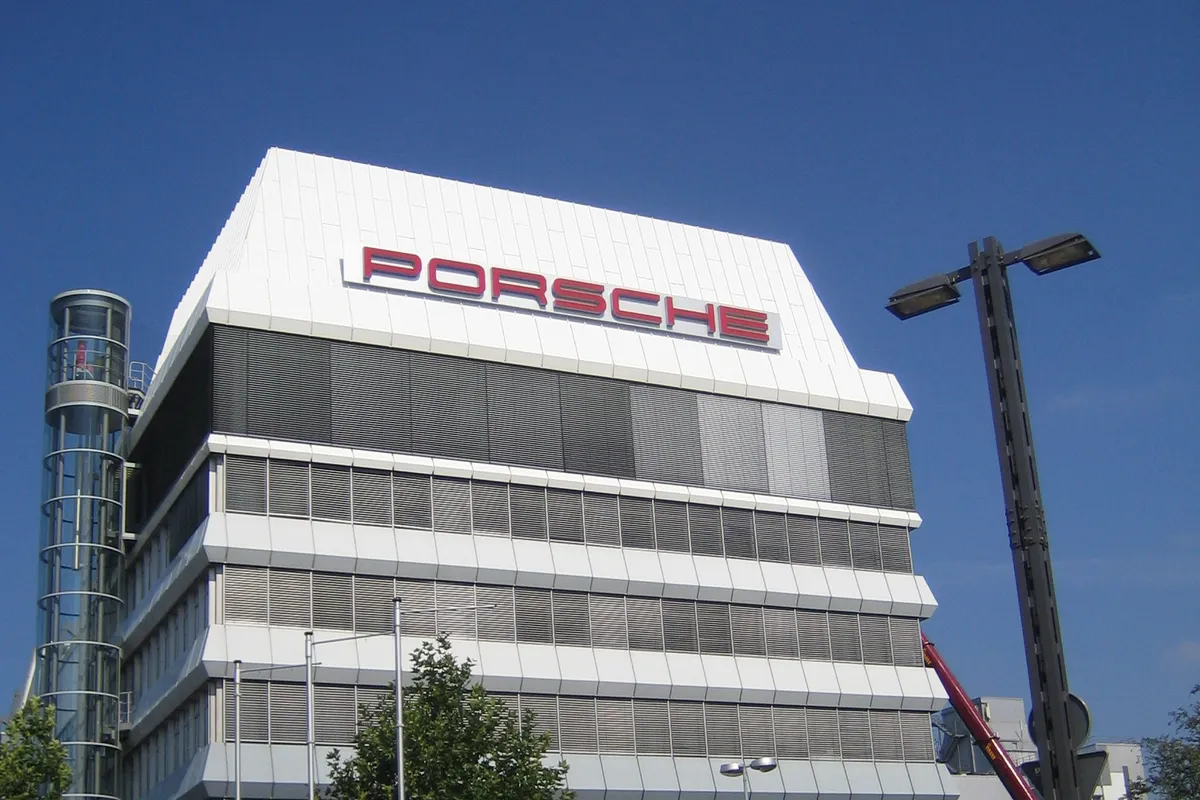
BMW's move is part of a wave of job cuts among German manufacturers. Porsche, a member of the Volkswagen Group, this week announced an additional 5,000 job cuts by 2035, building on 3,900 reductions agreed in February 2025 and another 500 positions linked to branch closures, totaling approximately 9,400 jobs. At the same time, Volkswagen CEO Oliver Blume is pushing a plan to double planned reductions to 100,000 positions across the group, although these additional measures have not yet been finalized. Mercedes-Benz has also implemented its own voluntary departure program. All this happens as the entire industry seeks ways to reduce costs in an era of expensive transition to electric vehicles and weakening demand in key markets.