Parents often reach for fruit juice believing it's a healthier alternative to soda, but the latest data sheds new light on this habit. A long-term analysis by the American Heart Association (AHA), published in the journal Circulation, suggests that regular consumption of fruit juices and sugary drinks from an early age may be linked to a higher likelihood of developing high blood pressure in adulthood.
The research team followed 25,749 participants, who were between the ages of nine and 16 at the start of the study, until they reached age 25. During this period, participants periodically reported how often they consumed sodas, iced teas, sports drinks, lemonades, and fruit juices, as well as other lifestyle factors, including physical activity levels and smoking habits.
Concerning Percentages: Soda, Sports Drinks, and Orange Juice Under Scrutiny
The analysis of the collected data revealed that participants who drank two or more servings of sugary drinks daily had a 52 percent higher chance of developing high blood pressure later in life compared to those who consumed such drinks less than three times a week. A serving was considered a can or glass of 355 milliliters.
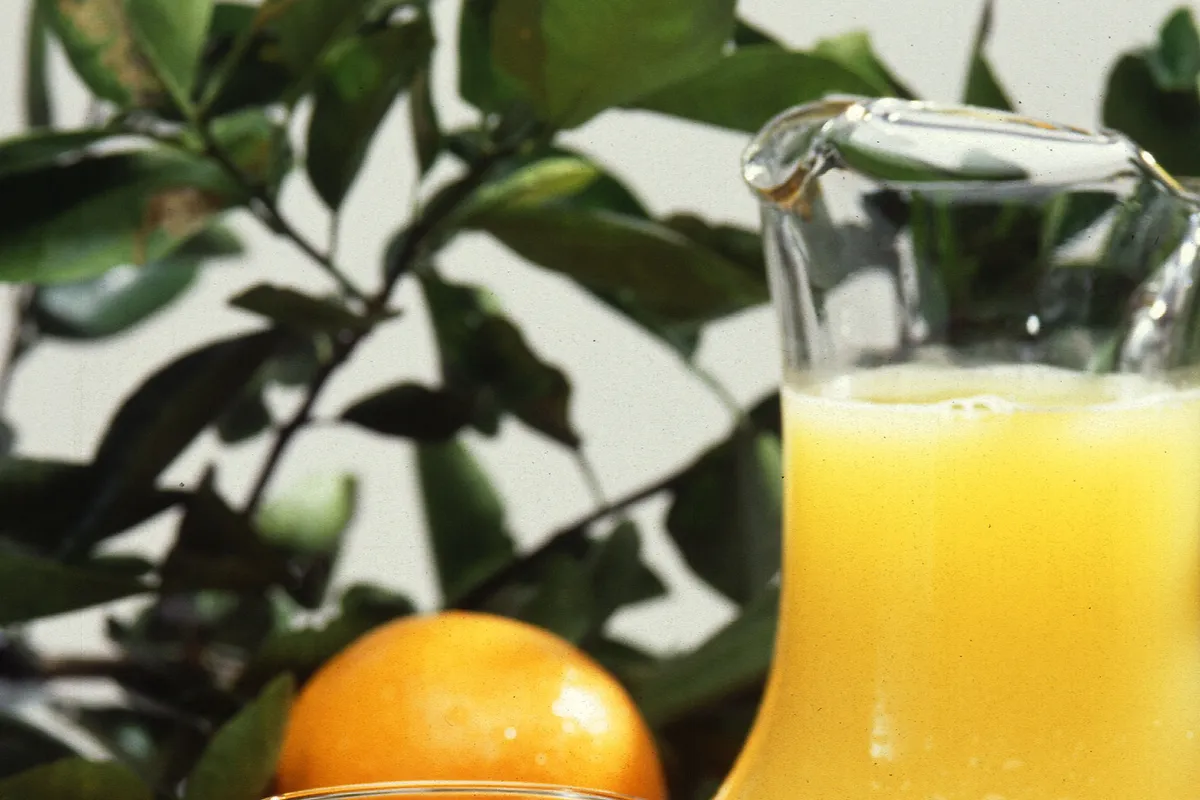
When beverages were examined separately, the risks became clearer. One daily serving of soda carried a 23 percent higher risk, while sports drinks carried a 36 percent higher risk. Regarding fruit juice, those who drank 1.5 or more servings per day had a 35 percent higher likelihood of high blood pressure compared to those who drank it less than once a week, with a serving of juice considered a glass of approximately 240 milliliters.
Orange juice stood out in particular, with each daily serving associated with a 20 percent higher risk of high blood pressure. This association was not observed for apple juice or other types, although the authors note that some participants may have misclassified orange-flavored drinks with added sugar as pure orange juice.
'A child's dietary habits can have long-term health consequences,' said Dr. Vasanti Malik, senior author of the study and an expert in nutrition and chronic disease prevention. 'High blood pressure is appearing earlier in life, with an increasing number of cases among younger adults, children, and adolescents, highlighting the importance of early detection and prevention,' she added.
The Source Matters, Not Just the Amount of Sugar
The study authors emphasize that the focus should not only be on the total amount of sugar or fructose consumed, but also on the food source from which it comes. The way the body processes juice differs significantly from how it digests whole fruit.
'As has been shown in adults, the total amount of fructose appears to be less important than the type of food from which it is consumed. Sugary drinks and fruit juice are associated with increased risk, while whole fruit is not,' explained Dr. Amit Khera, an expert at the American Heart Association.
Dr. Khera added that it's a common belief that fructose is harmful regardless of its source, and that fruit juices are healthy. 'This study shows that neither of these appears to be true,' he emphasized.
Simple Swaps Make a Big Difference
The research team's calculations suggest that replacing just one daily serving of a sugary drink with whole fruit could reduce the risk of high blood pressure by 22 percent. If fruit juice were replaced with fresh fruit, the risk would be 19 percent lower. Milk and water were confirmed as quality alternatives to sugary drinks, with a risk reduction of up to 13 percent, but this positive effect was not observed when they were used as substitutes for fruit juice.
The experts' takeaway message is not to completely eliminate juices, but rather to advocate for moderation and reduced frequency. If one does drink juice, the recommendation is to choose only 100 percent fruit juice in limited amounts, while the daily diet should feature whole fruits, water, and unsweetened beverages.
It's also important to note the study's limitations: it indicates an association, not a direct causal relationship between juices, sugary drinks, and high blood pressure. The information relied on questionnaires and self-reported diagnoses, and the researchers note that the findings cannot be uniformly applied to all population groups. Despite this, the signal for parents is clear, dietary patterns adopted in early childhood can leave a lasting mark that extends far beyond what might initially seem.