Cyclosporiasis Outbreak in the US: 1,947 Sickened by Contaminated Lettuce
US health agencies are investigating a major outbreak linked to iceberg lettuce from central Mexico, with the warning not applying to products in Croatia.
US health agencies are investigating a major outbreak linked to iceberg lettuce from central Mexico, with the warning not applying to products in Croatia.
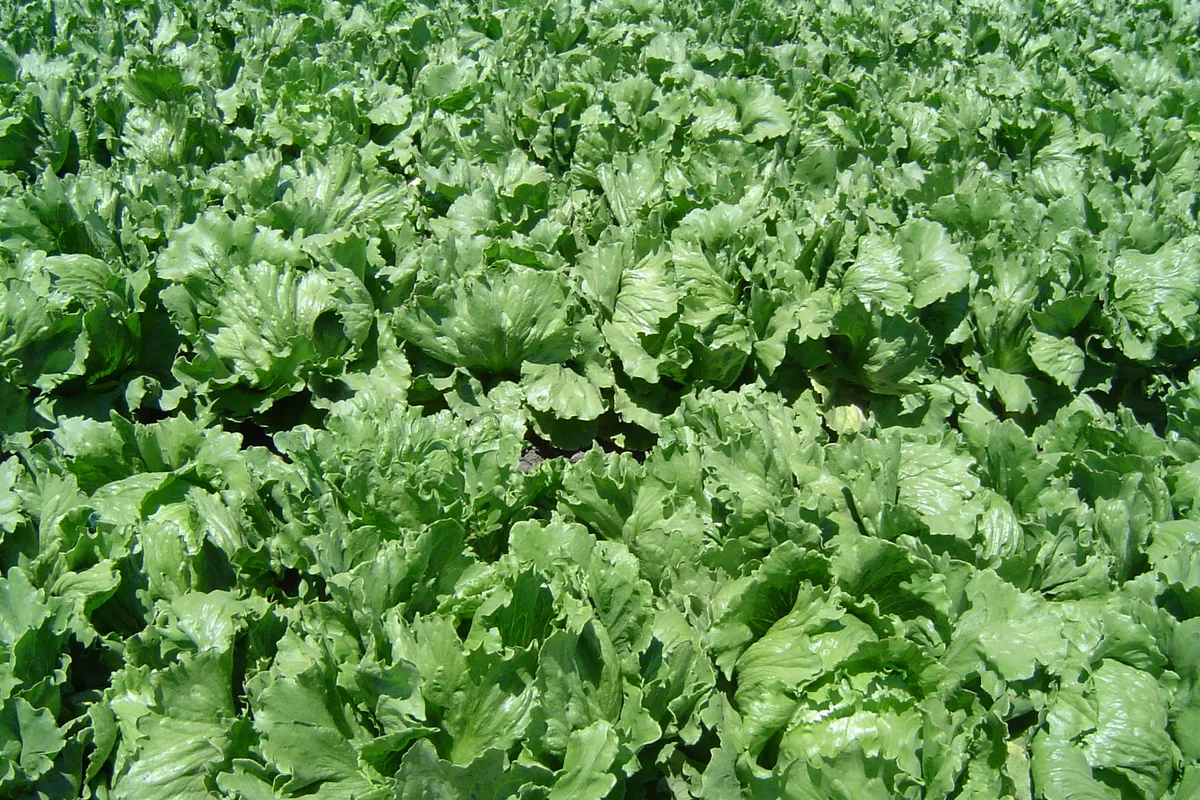
US health institutions, including the Food and Drug Administration (FDA) and the Centers for Disease Control and Prevention, are currently investigating an outbreak of cyclosporiasis linked to iceberg lettuce from central Mexico. According to the latest official information, 1,947 infections and at least 98 hospitalizations have been recorded across nine US states, with no fatalities reported, as reported by DalmacijaDanas.
The implicated lettuce has been recalled from the US market by Taylor Farms de Mexico. Importantly, this warning does not apply to products available in Croatia, sources confirm.
The disease is caused by the microscopic parasite Cyclospora cayetanensis, which is transmitted through contaminated food or water. The most common symptom is frequent watery diarrhea, but abdominal pain, nausea, decreased appetite, fatigue, and weight loss may also occur.
This is not the first time leafy greens have been at the center of a health scare. In a 2018 outbreak linked to salads from McDonald's, more than 500 cases were reported. In subsequent years, packaged salads and ready-to-make Caesar salad kits have also been linked to new infections, and leafy greens have been the source of outbreaks of E. coli, Salmonella, and Listeria.
Experts highlight several key factors that make lettuce particularly susceptible to contamination. The first is its widespread use, it appears in sandwiches, burgers, tortillas, and numerous prepared dishes, so a single contaminated batch can quickly reach a large number of people.
The second reason lies in its structure. Lettuce leaves are full of folds, cracks, and hard-to-reach spots where soil particles, bacteria, and parasites can linger.
"If you don't wash these products thoroughly, you'll end up eating whatever is on the lettuce," warned epidemiologist Amira Roess of George Mason University for DalmacijaDanas.
Even thorough washing is not a guarantee of complete safety. The FDA recommends rinsing fruits and vegetables under running water, without soap or detergents, but emphasizes that this can only reduce the presence of microorganisms, not eliminate them entirely.
The third issue is the way lettuce is grown. Lettuce grows close to the ground and easily comes into contact with soil, animal feces, or contaminated irrigation water. The Cyclospora parasite is transmitted when human feces enter water or food, and for thousands of cases to occur, a large quantity of product distributed over a wide area must be contaminated.
The fourth factor is damaged and torn leaves. Microscopic damage allows bacteria to penetrate deeper into plant tissue, making them even more resistant to washing. Even the label "pre-washed" does not guarantee complete safety, such products should be stored properly and kept away from dirty surfaces.
The fifth and most important reason is that lettuce is most often eaten raw. Unlike meat or eggs, it does not undergo heat treatment that would destroy dangerous microorganisms. According to the FDA, heating food to at least 70 degrees Celsius is the most reliable method for killing the Cyclospora parasite.
A similar risk exists with fresh parsley, cilantro, and other herbs that grow close to the ground and are mostly consumed raw. This does not mean lettuce should be completely eliminated from the diet, but rather that it is necessary to monitor official recall notices, discard products covered by warnings, wash hands and work surfaces, and thoroughly rinse unwashed lettuce under running water.
"People often laugh when they hear the term explosive diarrhea, but for those who experience it, there is nothing funny about it," said food safety expert Darin Detwiler for DalmacijaDanas. "Behind every reported case is a person whose life was suddenly interrupted simply because they ate food they believed was safe."